
If water is dripping down your exterior wall, birds are nesting under your eaves, or you can see daylight through a gap above your gutters, your soffit and fascia are probably past due for attention. These two components rarely get a second thought until they start failing, and by then homeowners are usually staring at a repair invoice with no idea whether the number in front of them is fair.
This complete guide to soffit and fascia repair cost breaks down exactly what Toronto and GTA homeowners can expect to pay in 2026, what drives the price up or down, and how to tell the difference between a small patch job and a full roof replacement in disguise. We have priced hundreds of soffit and fascia jobs across Toronto, Mississauga, Vaughan, Markham, Oakville and the surrounding regions, and the numbers below reflect what actually gets quoted on real homes, not generic national averages.
By the end of this guide you will understand the material options, the labour realities, the red flags that signal a bigger problem hiding behind your eaves, and how to budget accurately whether you are patching a six-foot section or replacing the fascia around an entire house.
What Soffit and Fascia Actually Do (and Why Repairs Cost What They Do)
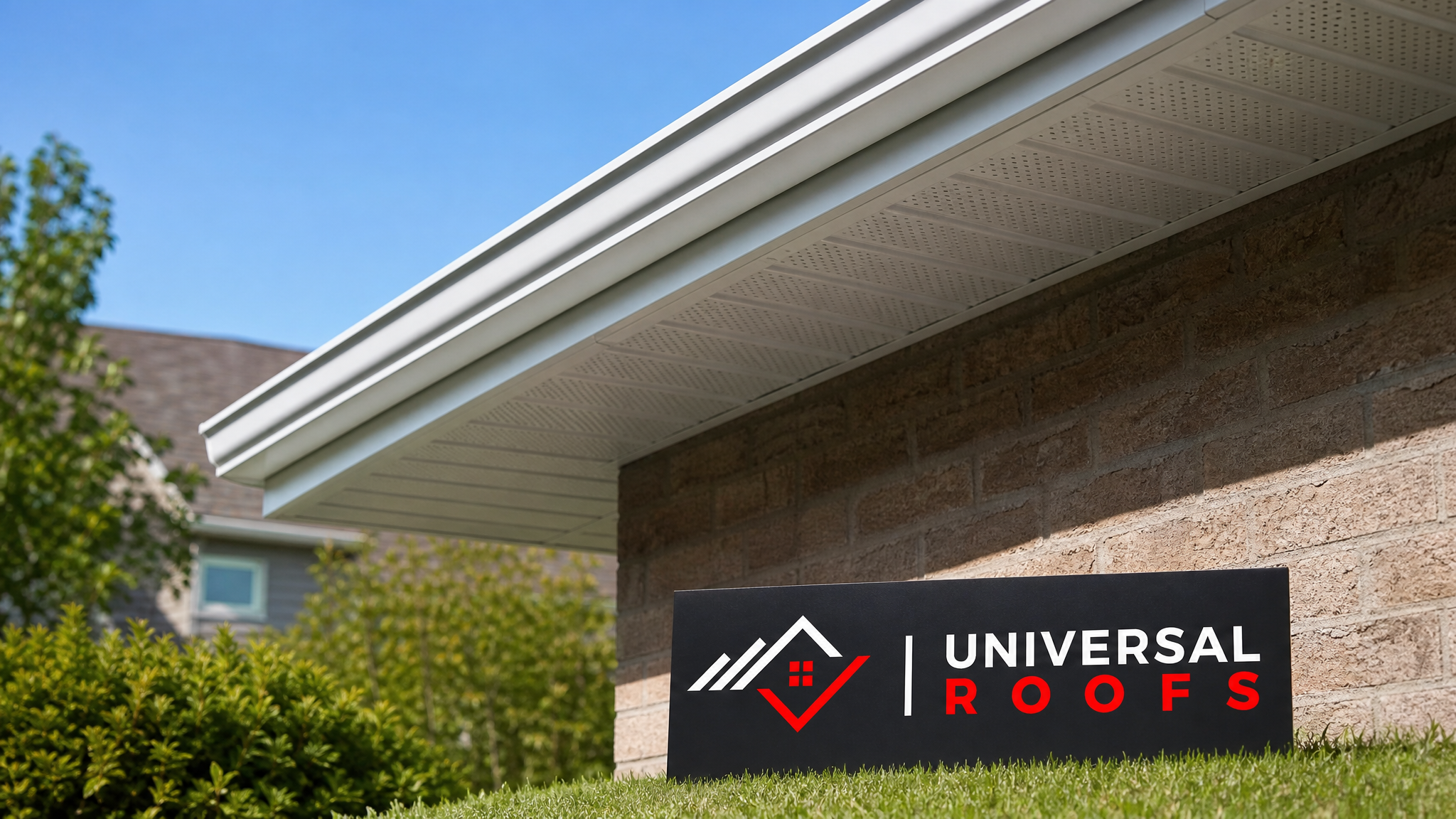
Before pricing anything, it helps to know what you are paying for. The fascia is the vertical board that runs along the edge of your roofline, directly behind the gutters. It is the anchor point for your eavestrough system and the visible trim that caps the roof edge. The soffit is the material underneath the roof overhang, forming the “ceiling” of the eave between the fascia and the exterior wall.
Together they perform three jobs: they protect the roof rafters and attic from moisture, they provide the intake ventilation that lets fresh air enter the attic (working with ridge or roof vents to prevent heat and moisture buildup), and they finish the roofline aesthetically. When either component fails, you are not just looking at a cosmetic issue. Rotted fascia cannot properly support a gutter, and damaged soffit panels choke off attic airflow, which accelerates shingle ageing from beneath and contributes to ice damming in winter.
This is also why soffit and fascia repair pricing varies so much more than homeowners expect. A contractor is not just billing for a piece of aluminum or wood trim — they are evaluating what condition the rafter tails and fascia board substrate are in underneath, whether the ventilation baffles are intact, and whether water has already reached the roof deck. A “simple” soffit repair sometimes becomes a much larger job once a technician gets a ladder up and opens the section.
Average Soffit and Fascia Repair Cost in the Toronto Area (2026)
Pricing for soffit and fascia repair in the GTA is typically quoted per linear foot for fascia, and per linear foot or per section for soffit, with a minimum service call fee that covers mobilization, ladder or lift setup, and a detailed inspection. Below is what we are seeing across active jobs this season.
| Repair Type | Typical Cost Range (CAD) | Unit | Notes |
|---|---|---|---|
| Minor soffit patch (small hole, panel section) | $150 – $400 | Per section | Includes matching vented aluminum panel |
| Full soffit panel replacement | $8 – $15 | Per linear foot | Aluminum, vented, colour-matched |
| Fascia board repair (localized rot) | $200 – $550 | Per section (up to 8 ft) | Includes wood substrate replacement + aluminum wrap |
| Full fascia replacement | $12 – $22 | Per linear foot | Higher end if rafter tails also need repair |
| Combined soffit + fascia, full perimeter | $3,500 – $9,000 | Per house | Average GTA detached home, 150-220 linear feet |
| Emergency point repair (animal entry, storm damage) | $250 – $600 | Flat rate | Includes exclusion work and sealing |
For context, most detached homes in Toronto, Mississauga and Vaughan run between 150 and 220 linear feet of combined soffit and fascia around the full roof perimeter, including any dormers or bump-outs. A townhouse or semi-detached home is usually 30-40% less. If your quote is dramatically outside these ranges, it is worth asking your contractor to walk you through exactly what is included, since scope differences (not just markup) are the most common reason two quotes look wildly different.
What Drives the Price Up or Down
Several factors push a soffit and fascia job toward the higher or lower end of these ranges. Understanding them will help you interpret any quote you receive and avoid overpaying for a straightforward repair, or underestimating a job that has hidden complexity.
1. Extent of Rot Behind the Surface
The visible damage is rarely the whole story. Once a fascia board has been wet for an extended period, the rot often extends into the rafter tails — the ends of the roof structure the fascia is nailed to. If a contractor finds soft or spongy wood when they probe with a screwdriver, plan for the estimate to increase, since rafter tail sculpting or splicing in new lumber adds both material and labour.
2. Access and Roof Height
A single-storey bungalow with a simple gable roof is inexpensive to access. A two-and-a-half-storey home, a steep roof pitch, or a soffit tucked above a bay window or complex roofline requires more scaffolding, longer ladders, or in some cases a lift — all of which add to labour time and therefore cost.
3. Material Choice
Aluminum is the standard for GTA homes because it resists moisture and never needs painting, but vinyl, wood, and fibre-cement soffit and fascia all exist at different price points. We cover this in detail in the next section.
4. Ventilation Upgrades Bundled In
If your attic currently has solid (non-vented) soffit panels and you want to add proper intake ventilation as part of the repair — often recommended alongside work on the attic — expect an additional cost for switching to vented panels and, if needed, cutting new intake vents into the soffit.
5. Gutter Removal and Reinstallation
Because fascia sits directly behind the eavestrough, most fascia repairs require detaching and later reinstalling the gutter section. If your gutters are old, brittle, or poorly fastened, this step can uncover additional repair needs of its own.
Soffit and Fascia Material Options Compared
Not all soffit and fascia materials perform the same way in the GTA’s freeze-thaw climate, and the material you choose has a direct effect on both upfront repair cost and how often you will be paying for repairs again down the road.
| Material | Lifespan | Relative Cost | Best For | Drawbacks |
|---|---|---|---|---|
| Aluminum (vented) | 25-40 years | Moderate | Most GTA homes; low maintenance, colour options | Can dent from hail or ladder contact |
| Vinyl | 20-30 years | Lowest | Budget-conscious repairs, smaller sections | Can become brittle and crack in extreme cold |
| Wood (painted/primed) | 10-20 years | Moderate to high | Heritage homes needing an original look | Highest maintenance; prone to rot in our climate |
| Fibre-cement | 30-50 years | Highest | Homeowners prioritizing longevity over upfront cost | Heavier, requires specialized installation |
| Steel | 35-45 years | Moderate to high | Homes in high-wind or exposed locations | Can rust if the protective coating is scratched |
Aluminum remains the default recommendation for the vast majority of homes we service across Toronto, Peel, York, Halton and Durham because it strikes the best balance of durability, cost, and low maintenance in a climate that swings from humid summers to well below freezing winters. Wood is really only worth considering when matching an existing architectural detail on an older home, since Toronto’s freeze-thaw cycles are exactly the conditions that cause painted wood trim to crack and rot fastest.
Signs Your Soffit and Fascia Need Repair (Not Just Cosmetic Touch-Up)
Many homeowners wait too long to address soffit and fascia issues simply because the damage is hard to see from the ground. Here is what to actually look for during a walk-around of your property, ideally each spring and again after any major summer storm.
- Visible sagging or gaps along the fascia line, especially near gutter hangers
- Peeling paint or bubbling on wood fascia, which usually indicates trapped moisture
- Soft spots you can press in with a finger on wood trim
- Water stains on the underside of the soffit or streaking down the exterior wall
- Pest activity — squirrels, birds, or wasps entering through small gaps
- Missing or damaged soffit vents, which restrict attic airflow
- Ice damming at the roof edge every winter, which often traces back to poor soffit ventilation
If you notice more than one or two of these signs, it is worth booking an inspection rather than waiting. Soffit and fascia problems compound quickly: a small gap lets in moisture, moisture invites rot, rot invites pests, and pests widen the opening further. What might have been a $300 patch in spring can become an $1,800 rafter tail repair by fall if left unattended through a wet summer.
DIY vs. Professional Soffit and Fascia Repair
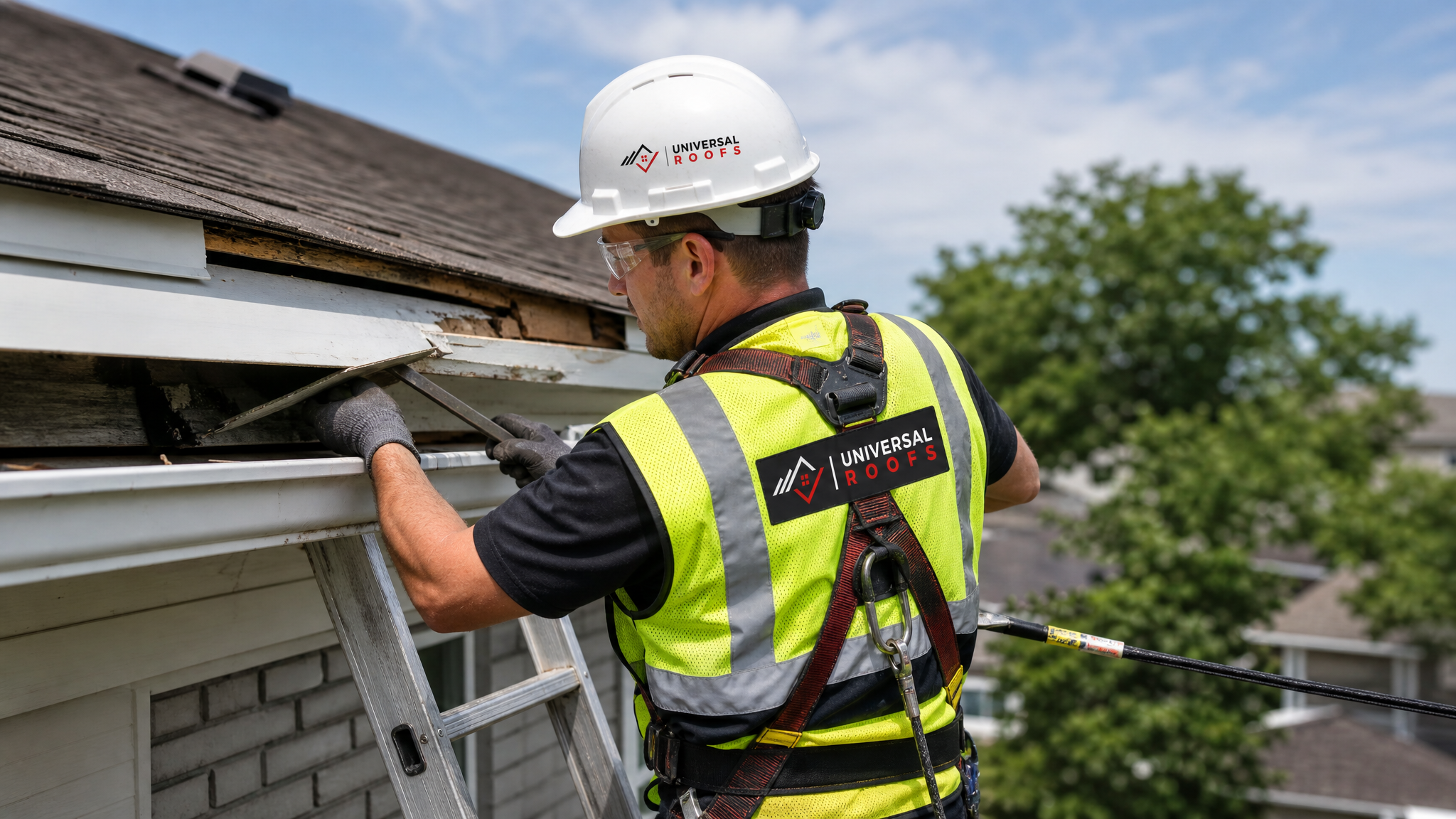
Small cosmetic touch-ups, like caulking a minor gap or repainting an already-sound wood fascia, are within reach for a confident homeowner with the right ladder safety equipment. However, most soffit and fascia repair work is not a good DIY candidate, for a few practical reasons.
First, working at the roofline typically means working at height on a ladder positioned against a gutter that may not support body weight, which is a genuine fall risk. Second, diagnosing rot correctly requires removing sections of soffit or fascia to inspect the rafter tails and roof deck underneath — done incorrectly, this can create new leak paths or damage the shingles above the drip edge. Third, colour-matching aluminum trim to your existing fascia and gutter system is harder than it looks, since manufacturers change their colour lines over time.
The table below summarizes when each approach makes sense.
| Scenario | DIY Feasible? | Recommended Approach |
|---|---|---|
| Recaulking a small gap on ground-level trim | Yes | DIY with proper ladder safety |
| Repainting sound, dry wood fascia | Yes | DIY, exterior-grade paint |
| Replacing a soffit panel section | Limited | Professional recommended for colour match and fastening |
| Rotted fascia behind gutters | No | Professional — gutter removal and structural check required |
| Suspected rafter tail damage | No | Professional inspection and structural repair |
| Any repair above the first storey | No | Professional with proper fall protection equipment |
How Soffit and Fascia Repair Fits Into Overall Roof Health
Soffit and fascia repair rarely happens in isolation from the rest of your roofing system, which is one more reason cost estimates vary. If a roof repair is already underway for shingle damage or a leak, addressing the soffit and fascia at the same time is almost always more cost-effective than scheduling a separate visit later, since the ladder access, gutter removal, and site setup are shared across both jobs.
Similarly, if your home has a flat roofing section with a built-up parapet or fascia detail, the repair approach and materials differ from a sloped-roof aluminum fascia, and pricing should reflect that. Homes with skylights near the roof edge sometimes see related flashing issues that get mistaken for soffit or fascia problems — if you are also noticing interior water stains near a skylight, it is worth having that checked at the same time, and our skylight replacement team can assess whether flashing, rather than the soffit, is the actual source.
Because soffit ventilation directly affects attic performance, any significant soffit repair is also a good moment to have your attic insulation and ventilation baffles checked. Blocked baffles behind newly repaired soffit vents will undo much of the benefit of the repair, since air still cannot circulate properly even with fresh, undamaged panels in place.
Regional Cost Notes Across the GTA
While material and labour rates are broadly similar across the Greater Toronto Area, a few regional patterns affect quotes.
| Region | Typical Home Age Factor | Common Soffit/Fascia Issue | Cost Impact |
|---|---|---|---|
| Toronto | Older housing stock, especially east end and midtown | Wood fascia rot on pre-1980s homes | Slightly higher due to substrate repair |
| Peel Region | Mixed — 1980s-2010s subdivisions | Aluminum dents, gutter separation | Standard range |
| York Region | Newer builds, larger rooflines | Ventilation gaps on larger homes | Slightly higher due to linear footage |
| Halton Region | Mixed, lakeside exposure in places | Wind and moisture-driven wear near the lake | Standard to slightly higher |
| Durham Region | Mixed, some rural exposure | Pest entry points, storm damage | Standard range |
Regardless of which part of the GTA you are in, always get a specific on-site quote rather than relying on averages, since roofline complexity and the condition found once a panel is removed matter more to the final price than your postal code.
How to Get an Accurate Soffit and Fascia Repair Quote
To get a quote that will actually hold up once work begins, a few things help. Take clear photos of any visible damage from the ground and, if safely possible, from an upstairs window looking down at the roofline. Note whether you are seeing interior signs too, such as attic moisture, ceiling stains near exterior walls, or drafts. Mention whether your gutters were recently serviced or replaced, since that affects whether they can simply be reattached or need work of their own.
A trustworthy contractor will always physically inspect the affected sections before finalizing a number, since photos alone cannot reveal the condition of the wood or structure behind the visible trim. Be cautious of any quote given purely over the phone with no inspection, particularly for anything beyond a very minor, clearly visible repair.
It is also reasonable to ask for the quote broken down by linear foot or by section, rather than as a single lump sum, so you can see exactly what you are paying for and compare it against the ranges above. A detailed breakdown also makes it much easier to understand any change order if the scope grows once work begins.
Maintaining Your Soffit and Fascia After Repair
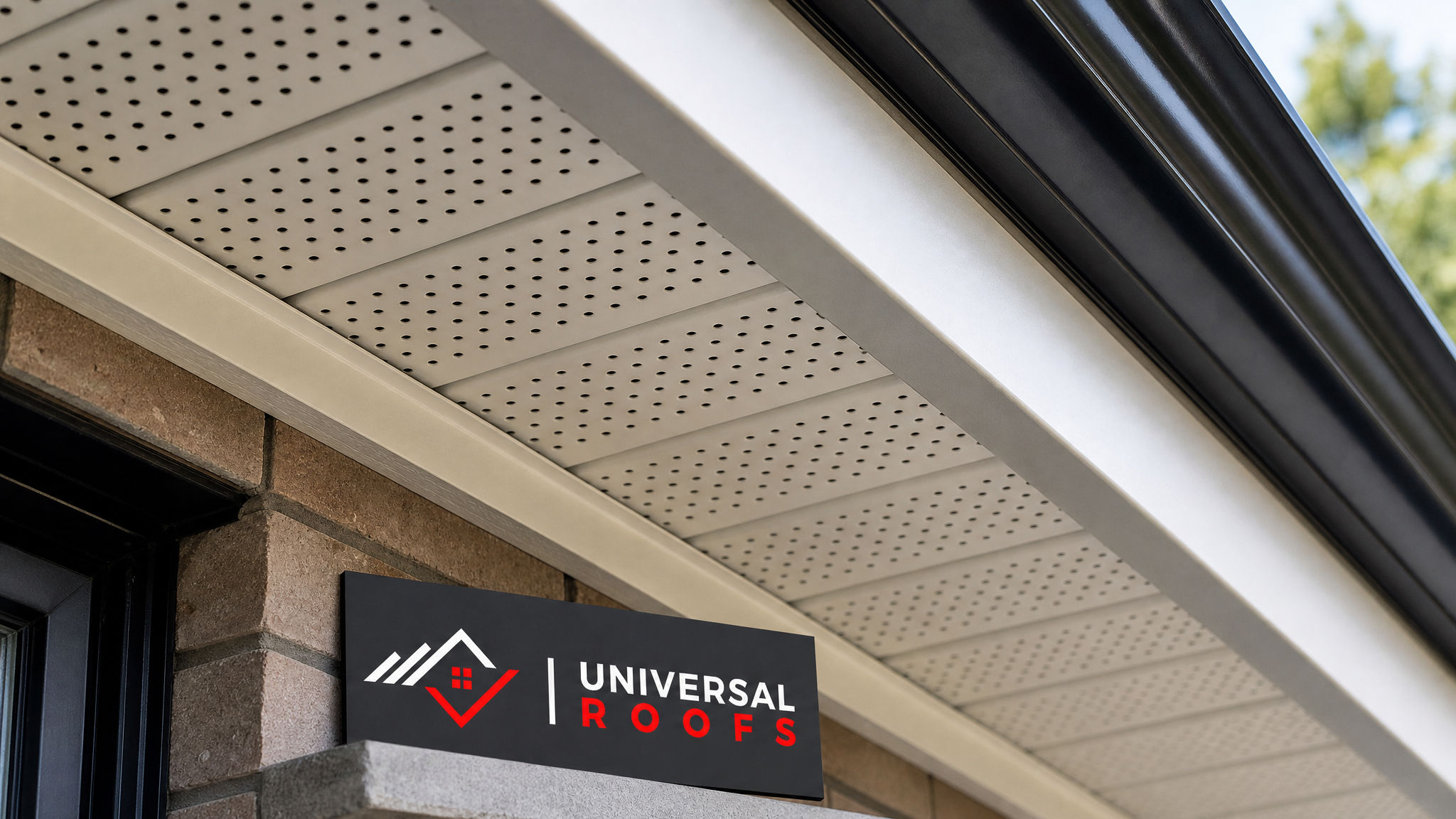
Once repairs are complete, a small amount of ongoing attention will protect your investment for decades rather than years. Clean your gutters at least twice a year — late spring and late fall are ideal in the GTA — since overflowing gutters are one of the most common causes of new fascia rot, even on freshly repaired sections. Trim back tree branches that overhang the roofline, since constant contact wears through paint and coatings and creates entry points for squirrels.
During your regular walk-around, check that soffit vents remain unobstructed by insulation, debris, or nesting material, and confirm caulking around any joints has not cracked after winter freeze-thaw cycles. If you notice any new staining, sagging, or gaps, address it promptly rather than waiting for the next scheduled inspection, since catching a small issue early is almost always the difference between a minor patch and a costly structural repair later.
What is the average cost estimate for a complete soffit and fascia repair in Toronto?
How do I know if I need soffit repair or full fascia replacement?
Does homeowner’s insurance cover soffit and fascia repair costs?
How long does a typical soffit and fascia repair take?
Can soffit and fascia repair be done in winter in the GTA?
What is the best material to use when repairing soffit and fascia?
Need Help With Complete Guide Soffit and?
Whether you need a single section patched or a full-perimeter replacement, the team at Universal Roofs has been diagnosing and repairing soffit and fascia issues across the GTA since 2005, and we always inspect in person before quoting so the number you receive is the number you pay.
Call us today at (416) 732-2421 or request a free inspection to get started.
Universal Roofs proudly serves Toronto, Mississauga, Brampton, Vaughan, Markham, Oakville and the GTA since 2005.