
If you have never given much thought to the narrow strips of material running along the underside and edge of your roofline, you are not alone. Soffit and fascia are two of the most overlooked components on a home, yet they quietly do an enormous amount of work protecting your roof structure, attic, and interior from moisture, pests, and wind damage. When something goes wrong with either one, the consequences rarely stay contained to that small area — they spread into your attic ventilation, your eavestroughs, and eventually your walls and ceilings.
Troubleshooting soffit and fascia problems correctly requires knowing what you are looking at, what is actually causing the issue, and which repairs are worth doing yourself versus which ones call for a licensed roofing contractor. In this guide, we walk through four essential troubleshooting tips that every GTA homeowner should understand, along with the underlying causes, repair options, costs, and maintenance practices that keep these components performing for decades.
Toronto’s climate makes this especially relevant. Our winters bring repeated freeze-thaw cycles, ice damming, and heavy wet snow loads, while our summers bring intense UV exposure, humidity, and the occasional severe thunderstorm with high winds. Soffit and fascia sit directly in the path of all of it, which is why understanding the warning signs and fixes matters for every homeowner in the region, not just those with visibly obvious damage.
What Soffit and Fascia Actually Do
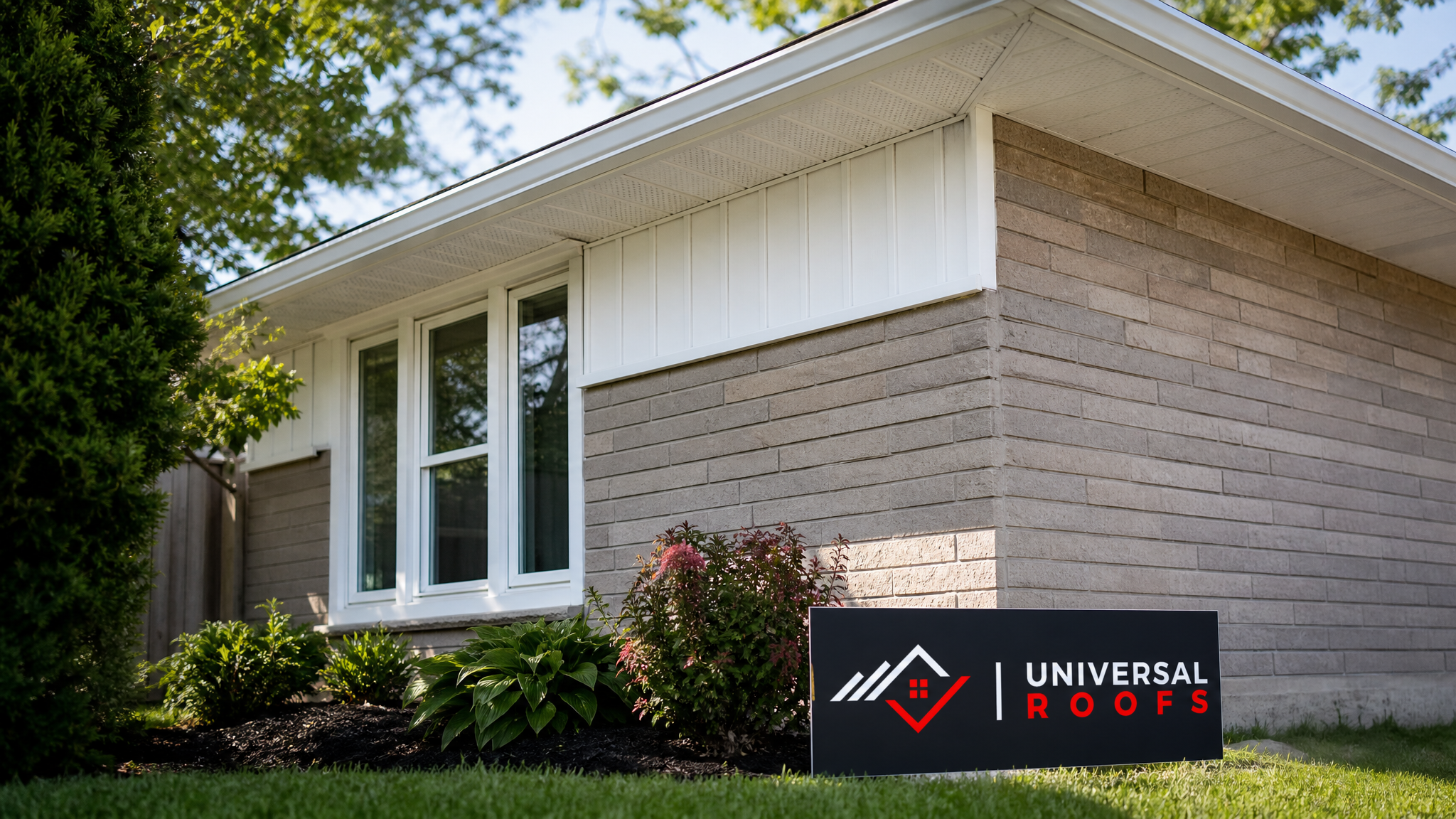
Before troubleshooting any problem, it helps to understand the job each component performs. The fascia is the vertical board that runs along the edge of the roof, directly behind the eavestrough. It is the piece your gutters are fastened to, and it forms the finished edge that caps off the rafter tails. The soffit is the material installed on the underside of the roof overhang, bridging the gap between the fascia and the exterior wall.
Together, they perform three critical jobs:
- Structural protection: The fascia shields the ends of the roof rafters and trusses from rain, snow, and sun, preventing wood rot at the structural level.
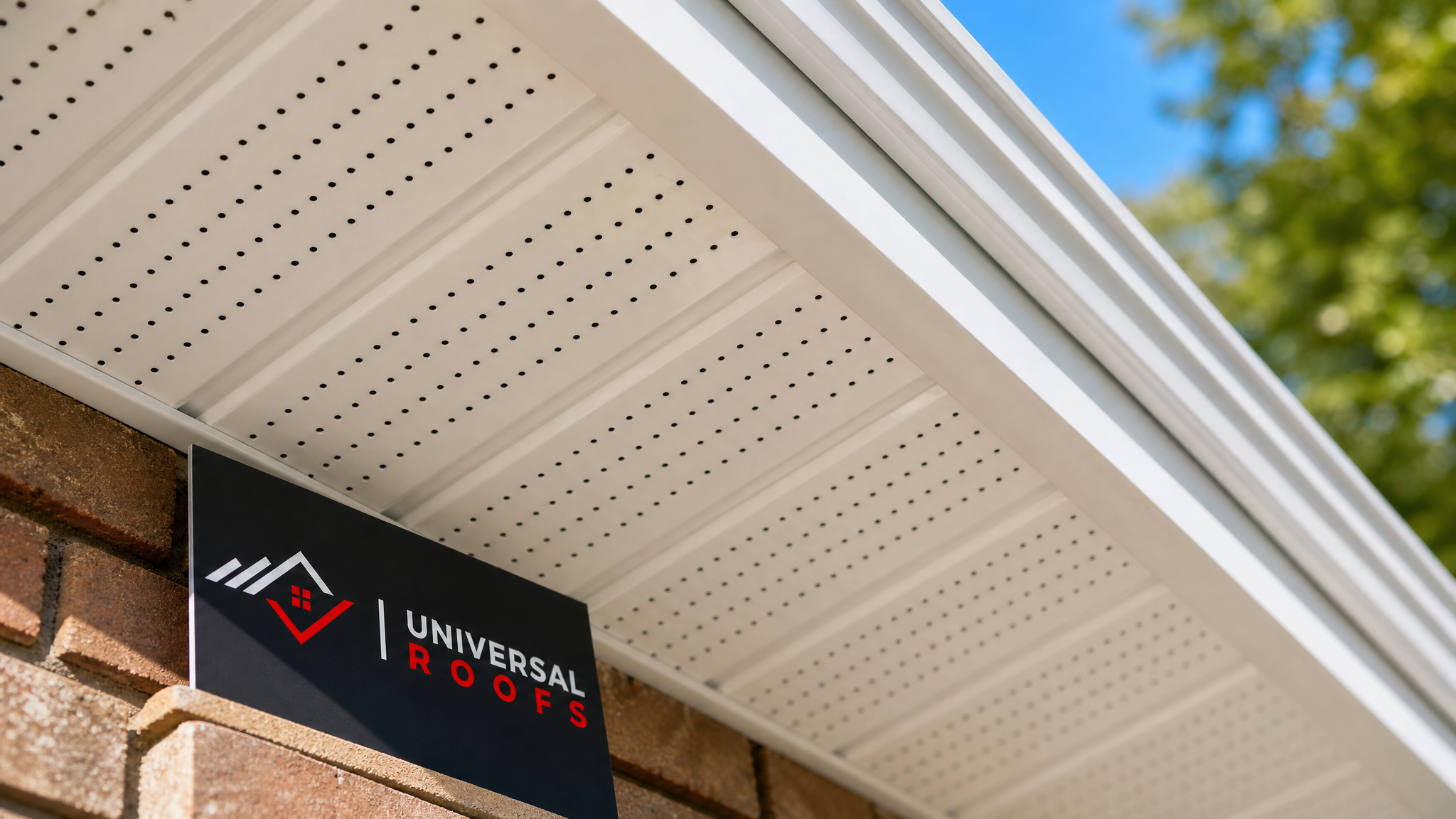
- Ventilation: Most soffit panels include perforated vents that allow fresh air to enter the attic, working with ridge or roof vents to create continuous airflow that prevents moisture buildup and ice damming.
- Pest exclusion: A properly sealed and intact soffit keeps squirrels, raccoons, birds, wasps, and other pests from finding a way into your attic space.
When soffit or fascia fails, all three of these functions are compromised simultaneously, which is why a seemingly cosmetic issue like a small crack or sag can escalate into a much larger and more expensive repair if left unaddressed. A full roof replacement is sometimes recommended alongside soffit and fascia work when the underlying roof deck or rafter tails have already sustained water damage.
Tip 1: Learn to Spot the Early Warning Signs
The single most valuable troubleshooting skill is knowing what to look for before problems become severe. Most soffit and fascia damage develops slowly, and the earliest signs are often subtle enough that homeowners walk past them for months or years without noticing.
Here are the indicators worth watching for during a seasonal walk-around of your property:
- Peeling or bubbling paint on fascia boards, which usually signals moisture trapped behind the surface
- Visible sagging in soffit panels, indicating the fasteners have loosened or the substrate behind them has weakened
- Discolouration or dark staining on the underside of the soffit, a classic sign of a slow water leak from above
- Gaps or separation where the soffit meets the fascia or the exterior wall, creating entry points for insects and rodents
- Soft or spongy fascia boards when pressed gently, which indicates wood rot underneath the paint or cladding
- Increased pest activity near the roofline, including wasp nests, bird nesting sounds, or squirrel scratching in the attic
- Rust streaks running down the fascia from eavestrough hangers, which points to trapped moisture and corroding fasteners
- Cracked or warped vinyl soffit panels, often from age, sun exposure, or an impact from a ladder or falling branch
Catching any of these signs early is the difference between a modest repair and a full section replacement. We recommend a visual inspection from the ground twice a year — once in spring after the snow melts and once in fall before the first hard freeze — using binoculars if needed to get a closer look at the underside of the roofline without climbing a ladder.
| Warning Sign | Likely Cause | Urgency Level | Recommended Action |
|---|---|---|---|
| Sagging soffit panels | Loose fasteners or rotted framing behind panel | Moderate | Inspect within 2-4 weeks |
| Dark water staining underneath | Active roof or eavestrough leak above | High | Inspect within days |
| Peeling paint on fascia | Trapped moisture behind board surface | Moderate | Inspect within a month |
| Gaps at wall or corner joints | Material shrinkage, poor original installation | Moderate | Seal or repair within a season |
| Soft, spongy fascia board | Wood rot from long-term moisture exposure | High | Replace promptly |
| Wasp nests or pest entry holes | Existing gap or opening in soffit | High | Address immediately |
| Rust streaking from hangers | Corroding fasteners, trapped moisture | Low-Moderate | Monitor, plan for next maintenance cycle |
Tip 2: Understand the Root Causes Before You Repair Anything
A common mistake homeowners make is patching a visible symptom without addressing what actually caused it. Repainting a peeling fascia board without finding the moisture source, for example, only buys a season or two before the paint fails again — and the wood underneath keeps deteriorating the whole time.
The most frequent root causes we encounter across the GTA include:
Clogged or Overflowing Eavestroughs
When gutters fill with leaves, shingle grit, and debris, water has nowhere to go except over the edge and down the back of the fascia board. This is, by a wide margin, the single most common cause of fascia rot we see on service calls. Regular gutter cleaning — at minimum in spring and late fall — prevents the vast majority of moisture-related fascia failures.
Ice Damming
Toronto’s freeze-thaw winters create the perfect conditions for ice dams: heat escaping from a poorly insulated or ventilated attic melts snow on the upper roof, which refreezes at the colder eave edge, forming a dam that backs water up under the shingles and into the soffit and fascia assembly. Improving attic insulation and airflow through your attic ventilation system is often the real long-term fix, not just repairing the damaged boards.
Poor Original Installation
Homes built or renovated by less experienced crews sometimes have soffit panels installed without enough ventilation openings, fascia boards nailed without proper flashing behind the eavestrough, or corner joints left uncaulked. These shortcuts do not show problems immediately, but they accelerate wear substantially over a decade of Toronto weather.
Pest Intrusion
Squirrels and raccoons are notorious for chewing through weakened vinyl or wood soffit to access attic space, especially near tree-adjacent rooflines. Once an opening exists, it rarely stays small — repeated animal traffic widens the gap and worsens water intrusion at the same spot.
UV Degradation and Age
Vinyl soffit panels have a service life, typically 20-25 years, after which prolonged UV exposure makes them brittle and prone to cracking under normal thermal expansion and contraction. Aluminum fascia can also fade and become more susceptible to denting over time.
Tip 3: Know Which Repairs Are DIY-Friendly and Which Are Not
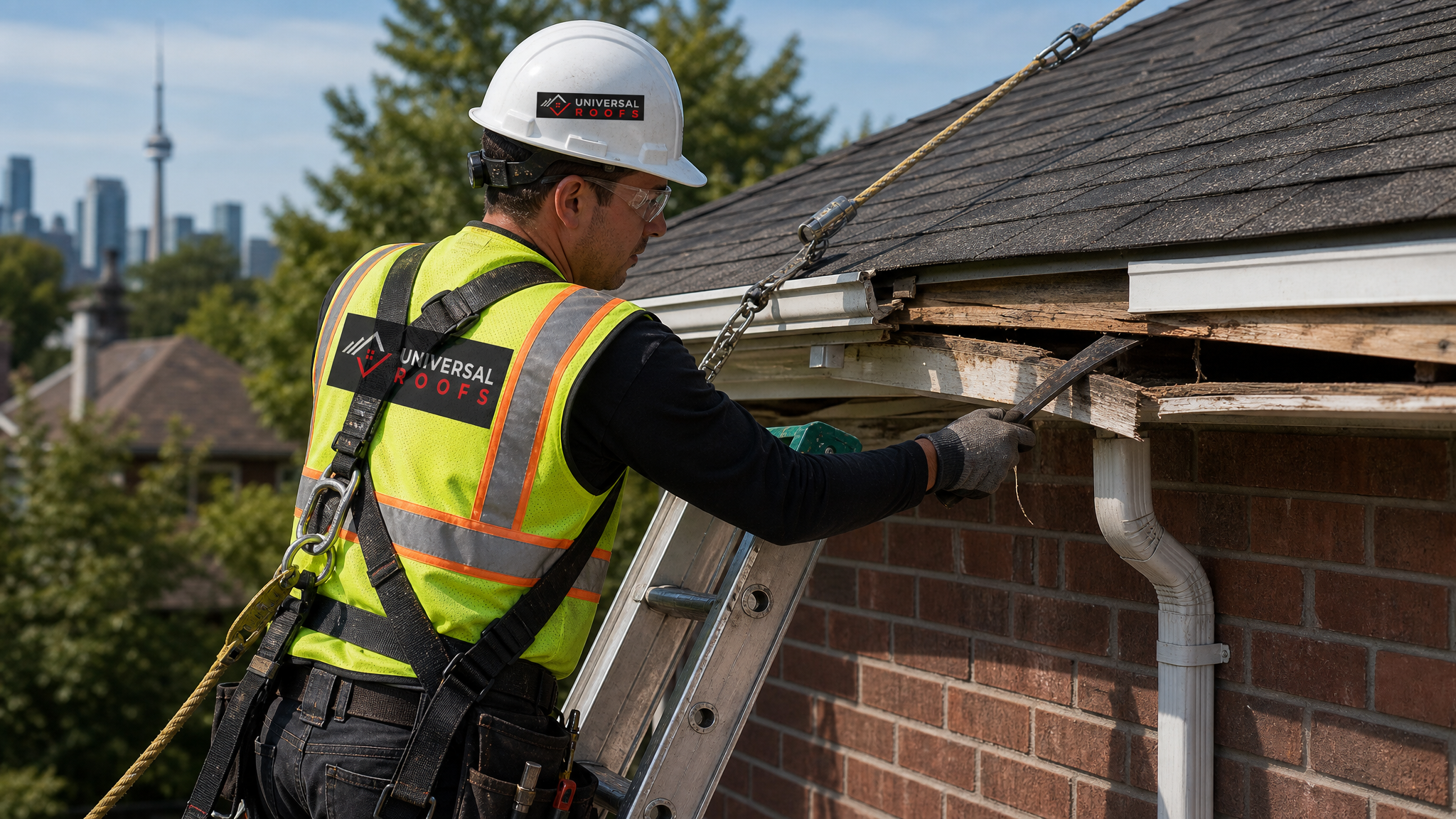
Not every soffit or fascia issue requires calling a professional, but working at roofline height carries real fall risk, and some repairs genuinely require specialized tools, ladders, and experience to do safely and correctly. Here is an honest breakdown of what a handy homeowner can reasonably tackle versus what should go to a licensed contractor.
Reasonable for an Experienced DIYer
- Cleaning eavestroughs and checking for obvious debris buildup at ground-accessible sections
- Caulking small gaps at soffit-to-wall joints using an exterior-grade sealant
- Repainting fascia that is structurally sound but cosmetically weathered
- Installing small pest-exclusion screens over minor gaps, provided the underlying material is not already compromised
Better Left to a Licensed Contractor
- Any repair requiring an extension ladder above one storey, particularly on a sloped or uneven yard
- Replacing rotted fascia boards, which often means partially removing the eavestrough and checking rafter tail condition underneath
- Full soffit panel replacement, especially where matching discontinued vinyl colours or profiles is involved
- Any repair tied to an active leak, since misdiagnosing the water path can mean fixing the wrong spot entirely
- Situations involving animal intrusion, where entry points need sealing after confirming no animals remain trapped inside
If you are uncertain which category your situation falls into, our roof repair team can assess it during a single visit and give you a straightforward recommendation rather than upselling work that is not needed.
| Repair Task | Typical Cost Range (CAD) | Estimated Time | DIY Suitability |
|---|---|---|---|
| Gutter cleaning (per visit) | $150 – $300 | 1-2 hours | Yes, with proper ladder safety |
| Caulking soffit joints | $50 – $150 (materials) | 1-2 hours | Yes |
| Fascia repainting (per linear metre) | $8 – $15 | Half day | Yes, if wood is sound |
| Single fascia board replacement | $200 – $450 | Half day | Not recommended |
| Full soffit panel section replacement | $8 – $18 per linear foot | 1 day | Not recommended |
| Pest entry point sealing and repair | $250 – $600 | Half day | Not recommended |
| Whole-house soffit and fascia replacement | $3,500 – $9,000+ | 2-4 days | Not recommended |
Tip 4: Fix the Ventilation Problem, Not Just the Cosmetic One
This is the tip most homeowners miss entirely, and it is arguably the most important one on this list. Soffit is not just trim — it is a functional part of your attic ventilation system. When soffit vents become blocked by insulation, paint, bird nests, or improper installation, your attic loses its intake airflow even if the material itself looks perfectly fine from the ground.
Blocked soffit ventilation causes a cascade of problems that have nothing to do with the appearance of the panels themselves:
- Trapped summer heat in the attic, which can push attic temperatures well above outdoor temperatures and shorten the lifespan of your shingles from the underside
- Winter moisture buildup, since warm, humid interior air rising into a poorly ventilated attic condenses on the underside of the roof deck, leading to mould and wood rot over time
- Worsened ice damming, because without soffit intake air balancing the exhaust at the ridge, attic heat escapes unevenly and melts snow at the eaves
- Higher energy bills, as your HVAC system works harder to compensate for a poorly regulated attic space above your living areas
When troubleshooting soffit and fascia, always check whether the perforated vent holes are actually open and unobstructed, and whether insulation inside the attic has been pushed against the roof deck in a way that blocks the soffit-to-ridge airflow path. Installing baffles (sometimes called rafter vents) at the eave inside the attic is a simple and inexpensive fix that keeps insulation from choking off this airflow, and it pairs well with a broader attic ventilation assessment if your home has never had one.
If your roof has skylights, it is also worth checking that ventilation and flashing around those openings has not been compromised, since skylight wells can sometimes interact with the same attic airflow pathways. Our skylights and skylight replacement teams frequently coordinate with soffit and fascia repairs on the same project when both systems need attention.
Seasonal Maintenance Schedule for Soffit and Fascia
Consistent, seasonally-timed maintenance is what actually prevents most of the problems described above. Below is a practical schedule that fits the GTA climate and pairs naturally with general eavestrough and roof upkeep.
| Season | Recommended Task | Why It Matters | Frequency |
|---|---|---|---|
| Spring | Clear gutters of winter debris, inspect for ice-damming damage | Prevents overflow and catches winter damage early | Annually |
| Summer | Visual roofline inspection, check soffit vents for blockage | Warm weather makes rot and pest signs easier to spot | Annually |
| Fall | Clean gutters again before leaf drop finishes, check caulking | Reduces ice dam risk heading into winter | Annually |
| Winter | Monitor for icicles or ice dams forming at the eave line | Early sign of attic ventilation or insulation problems | After major snowfalls |
Choosing the Right Material When Replacement Is Needed
If troubleshooting reveals that repair is no longer sufficient and a section (or the entire roofline) needs replacing, material choice affects both durability and maintenance going forward. The two most common options in the GTA are aluminum and vinyl, each with different strengths.
Aluminum soffit and fascia resists cracking in cold weather better than vinyl, holds paint well, and is a strong choice for homes near mature trees where impact resistance matters. Vinyl is more affordable upfront, comes in a wide range of colours and profiles, and never needs repainting, though it can become brittle with age and UV exposure. Wood fascia, still found on many older Toronto homes, offers a traditional look but requires the most ongoing maintenance and is the most vulnerable to rot if paint or sealant fails.
Whichever material you choose, proper installation with adequate ventilation openings, correctly sized fasteners, and sealed joints at corners and transitions matters more for long-term performance than the material itself. A rushed installation in premium aluminum will fail faster than a properly executed installation in standard vinyl.
When Soffit and Fascia Problems Signal a Bigger Roofing Issue
Sometimes what looks like an isolated soffit or fascia problem is actually a symptom of a larger roofing issue. Persistent staining, especially if it appears shortly after rain regardless of gutter condition, often traces back to failed flashing, aging shingles, or a compromised roof deck above. If you notice fascia or soffit damage repeating in the same spot after repair, or if the damage coincides with visible shingle wear, it is worth having the full roof assessed rather than repeating a localized fix.
This is also where flat roof sections come into play on many Toronto homes with additions or rear extensions — transitions between sloped and flat roofing are common trouble spots for water intrusion that eventually shows up at the soffit line below. If your home has a flat-roofed portion, our flat roofing specialists can check whether that transition point is contributing to fascia staining nearby.
A trained eye can usually tell within minutes of an inspection whether you are dealing with a standalone soffit and fascia issue or the first visible sign of something upstream. Given how much these components protect — attic ventilation, structural rafter tails, and pest exclusion all at once — it is worth getting a second opinion before assuming the fix is purely cosmetic.
Serving Homeowners Across the Greater Toronto Area
Universal Roofs has been repairing and replacing soffit, fascia, and full roofing systems across the GTA since 2005. Our crews are familiar with the specific freeze-thaw and wind patterns that affect homes throughout Toronto, Peel Region, York Region, Halton Region, and Durham Region, and we bring that local experience to every soffit and fascia assessment we perform.
You can read what past clients have said about our workmanship on our reviews page, and browse common homeowner questions on our FAQ page before booking a visit. To learn more about our history and licensing, visit our about page.
What are the first signs I should look for when troubleshooting soffit and fascia issues?
Can I repair soffit and fascia myself, or do I need a professional?
Why does blocked soffit ventilation matter if the panels still look fine?
What typically causes fascia boards to rot in Toronto homes?
How much does soffit and fascia repair typically cost?
How often should soffit and fascia be inspected in the GTA?
Need Help With Troubleshooting Soffit and Fascia?
Whether you are dealing with sagging panels, a persistent leak, or blocked attic ventilation, the team at Universal Roofs can pinpoint the real cause and recommend the right fix the first time.
Call us today at (416) 732-2421 or request a free inspection to get started.
Universal Roofs proudly serves Toronto, Mississauga, Brampton, Vaughan, Markham, Oakville and the GTA since 2005.