
Attic Insulation and Ventilation in Toronto
Many attic problems start below the attic, with warm, damp air leaking up from the rooms underneath. We are a Toronto roofing company in business since 2005. At Universal Roofs, we look at the air leaks, the insulation and the vents together, and find the cause before anyone adds another vent.
Our certified technicians assess airflow, insulation depth, vapour barriers, and ventilation balance.
Rated 5.0 on Google • In business since 2005 • Office open every day, 8 am to 11:30 pm • Emergency calls answered 24/7
How It Works
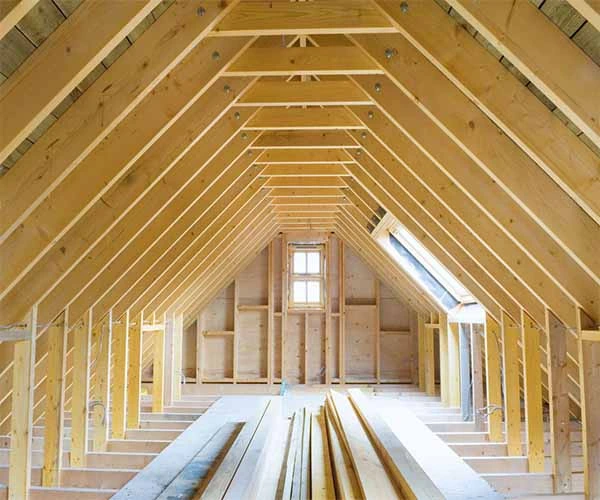
How insulation, air sealing and ventilation work together
In winter your attic should be cold and dry, close to the temperature outside. Three things keep it that way, and each one fails without the others. That is why extra vents alone rarely cure an ice dam.
- Air sealing. Stops warm, damp house air rising through gaps around pot lights, pipes, wires, the hatch and the tops of walls. It comes first, because loose insulation does not stop air.
- Insulation. Keeps the heat in the rooms below. It only works at full depth, dry and evenly spread to the edges, without blocking the eaves.
- Ventilation. Outside air comes in low at the soffits and leaves high at the ridge or roof vents, carrying off moisture in winter and heat in summer. Intake and exhaust need to balance.
Warning Signs
Signs your attic needs attention
Ice dams and big icicles
A ridge of ice along the eaves means heat from the house is melting snow higher up. The water refreezes at the cold edge, backs up under the shingles and can leak into walls.
Frost on the nails
In a cold snap, white frost on the nail tips and the underside of the roof deck means moist house air is getting in. When it thaws, it drips and looks like a leak.
Mould on the roof deck
Grey or black spotting on the underside of the roof boards, often near the eaves or on the north slope, points to moisture that is not being carried away.
A hot top floor
If upstairs is stuffy all summer and the air conditioning never catches up, the attic may be trapping heat over the ceiling.
Rising energy bills
Thin, packed-down or patchy insulation lets heat out in winter and in during summer. Rooms under the roof feel colder or hotter than the rest.
Shingles wearing out early
Curling, blistering or bald shingles on a fairly young roof can come from a hot or damp attic, and can affect your shingle warranty.
Attic Visit
What we check on an attic visit
With a visit and inspection of your attic, Universal Roofs’ specialists will be able to determine the scope of the attic work and will provide you with a free estimate.
Step 1
The hatch
Whether it is insulated and sealed. A loose hatch lid lets warm air straight into the attic.
Step 2
Insulation
Type, depth and condition: wet, packed down, disturbed by wiring work or animals, or possibly vermiculite.
Step 3
Air leaks
Dark, dirty patches in fibreglass show where house air filters through. We look around pot lights, plumbing stacks, chimneys, skylight shafts and wall tops.
Step 4
Intake
Whether soffit vents are open or blocked by insulation or paint, and whether baffles are in place. Many older homes have no soffit vents at all.
Step 5
Exhaust
Ridge vent, box vents, gable vents, turbines or a powered fan, and whether mixed types work against each other.
Step 6
Fans and the roof deck
Bathroom and kitchen fans that end in the attic, and the deck itself: frost, mould, soft boards or rusty nails.
Attic Services
Attic insulation, insulation removal and ventilation services
Good attic insulation in Toronto starts with the air leaks and the vents; the cards below follow that order.
Insulation top-up
New insulation added over what is there, up to the target depth, with the eaves kept clear.
Old insulation removal
Vacuuming out insulation that is wet, mouldy, soiled by animals, or damaged by smoke or water, so the attic can be insulated properly.
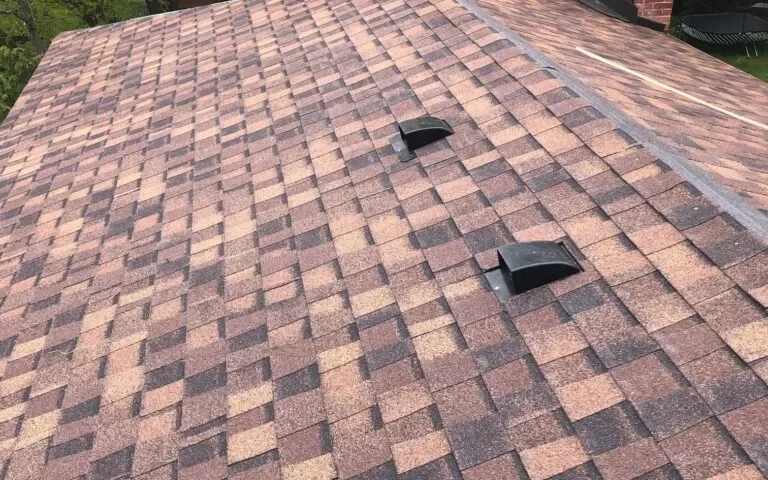
Ridge and box vents
Replacing worn vents, cutting in a ridge vent, or removing extra exhaust vents that fight each other. Ideally done along with roofing work.
Insulation Removal
Attic insulation removal: what comes out and what can stay
Not every attic needs a full clean-out. Insulation that is dry, clean and simply too thin can usually stay, with new insulation on top. It has to come out when it is wet or mouldy, soiled by raccoons, squirrels or mice, or damaged by smoke or a leak. Removal also exposes the gaps in the attic floor, so they can be sealed properly.
Loose, pebble-like insulation that is grey-brown or silvery-gold may be vermiculite, which can contain asbestos. Don't disturb it or store things on it. It needs testing first, and removal by people qualified to handle asbestos.
R-Values
How much insulation a Toronto attic needs
Insulation is rated in R-values: the higher the number, the slower heat escapes. Depth depends on the material, and the bag label lists the depth for each R-value.
| Part of the house | What to aim for | What limits it |
|---|---|---|
| Open attic over a flat ceiling | About R-50 to R-60 | Room at the eaves; baffles keep the air path open |
| Sloped ceilings and knee walls in 1.5-storey homes | As much as the space allows while keeping a vent channel | Rafter depth |
| Cathedral ceilings and flat-roofed additions | As much as the rafters allow, with a vent path or a sealed spray-foam assembly | Often easiest to reach from outside, during a roof replacement |
| Attic hatch | Insulated to match the attic around it | Weatherstripping matters as much as the insulation |
Older Houses
Toronto houses that need a different approach
1.5-storey homes with knee walls
Storey-and-a-half houses hide three cold zones: the small attic on top, the sloped ceilings, and the side attics behind the knee walls. Each needs its own sealing and insulation.
Older homes without soffit vents
Many houses built before the 1950s have solid or boxed eaves, or no overhang at all. Intake can come from new soffit openings or low roof-edge vents, worked out house by house.
Cathedral ceilings and additions
Vaulted ceilings and flat-roofed additions have no attic to work in. Each rafter bay needs its own vent path or a sealed spray-foam assembly, often easiest to fix from outside.
Ice Dams
Ice dam prevention starts in the attic
An ice dam is a symptom. Heat leaking from the house warms the roof deck, snow melts on the upper roof, and the water refreezes over the cold eaves. Look at your roof the morning after a snowfall: bare patches or stripes over the heated part of the house, while the eaves and neighbouring roofs stay white, show where heat is escaping.
The lasting fix is the order on this page: seal the air leaks, bring insulation up to depth and balance the vents. Heating cables and roof raking treat the ice, not the cause. If an ice dam is already leaking, that is roof leak repair first: emergency calls are answered 24/7 at (416) 732-2421.
Roof Vents
Roof vents compared
The Ontario Building Code sets a minimum vent area for attics, based on the ceiling area below. In practice, one exhaust type per attic, fed by enough soffit intake, works better than a mix. More on balancing intake and exhaust.
| Vent | How it works | Suits | Watch-outs |
|---|---|---|---|
| Soffit vents (intake) | Let outside air in under the eaves | Every vented attic | Blocked by insulation or paint; missing on many older homes |
| Ridge vent | A slot along the peak under a vented cap | Roofs with a long, straight ridge | Needs good intake; don't mix with box vents or fans in the same attic |
| Box vents | Separate vents set high on the roof | Hip roofs and short ridges | Need enough of them, placed near the top |
| Turbines | Wind spins the head and draws air out | Some older roofs | Bearings wear, then rattle or seize |
| Powered fans | A motor pulls air out of the attic | Rarely needed on houses | Can pull warm, damp air out of the house through ceiling gaps |
| Gable vents | Louvres in the end walls | Older homes with gables | Uneven airflow; can short-circuit a ridge vent |
Attic Costs
What affects the price of attic work
Attic work is priced after a look inside, because these change the scope.
- Attic size and access.
- Whether old insulation stays or goes, and what it is.
- How many air leaks there are, and how hard they are to reach.
- Baffles at each rafter bay along the eaves.
- Vent changes: a new ridge vent, added intake, old vents removed.
- Knee walls, sloped ceilings or cathedral sections.
- Bathroom fan ducts to reroute.
Shingle Warranty
Ventilation and your shingle warranty
Shingle makers write ventilation requirements into their warranties, because a hot or damp attic shortens a roof's life. A roof replacement is the natural time to fix ventilation: old vents come off anyway, a ridge vent can be cut in, and the eaves are open.
What our customers say
Rated 5.0 on Google. Universal Roofs has worked on Toronto roofs since 2005. See more in our projects.
FAQ
Attic questions
Should I add insulation or fix the ventilation first?
Neither: seal the air leaks first. Then make sure the eaves have baffles and the vents balance, and add insulation last. Insulation laid over open leaks and blocked soffits can make frost worse, because the attic gets colder while damp air keeps coming in.
How much attic insulation does a Toronto house need?
For an open attic, aim for about R-50 to R-60. The depth that takes depends on the material; the bag label shows it. Many older attics have far less, often packed down or uneven.
Does old insulation have to come out before new goes in?
Not if it is dry, clean and not vermiculite: new insulation can go on top once the air leaks are sealed. Insulation that is wet, mouldy, soiled by animals or damaged by smoke should come out first.
Will more roof vents stop my ice dams?
Usually not on their own. Ice dams start with heat leaking into the attic. Vents carry off what gets through, but air sealing and full-depth insulation do most of the work. Extra exhaust vents without enough soffit intake can even pull warm air out of the house.
Is frost in my attic a problem?
Light frost on nail tips in a deep freeze tells you moist air is reaching the attic. Heavy frost, dripping in a thaw or damp insulation means the air leaks, or a bathroom fan venting into the attic, need fixing before mould and rot set in.
Ridge vent or box vents: which is better?
Neither wins everywhere. A ridge vent suits a roof with a long, straight peak; box vents suit hip roofs and short ridges. What matters more is enough soffit intake and one exhaust type per attic, so the vents do not short-circuit each other.
Are there rebates for attic insulation in Toronto?
Sometimes. Programs open and close, so check before any work starts.
Book a Visit
Book an attic check
Call (416) 732-2421 or use our contact form. Office open every day, 8 am to 11:30 pm; emergency calls answered 24/7. We cover the areas we serve in Toronto.
Make sure your home or business roof stays leak-free by working with a reliable, experienced roofing company in Toronto.