
If your roof has started leaking, staining a ceiling, or showing soft spots after a wet spring, you are probably asking the same question thousands of Toronto homeowners ask every year: is there a way to fix this properly without paying for a full roof replacement I don’t actually need yet? The honest answer is yes, more often than not. Understanding why choose affordable roof repair and waterproofing over a premature tear-off starts with knowing what your roof actually needs, what waterproofing can realistically prevent, and where corners genuinely should not be cut.
This guide walks through the practical reasoning behind affordable roof repair and waterproofing: how contractors decide between repair and replacement, which waterproofing methods deliver the best value for GTA homes, what typical costs and timelines look like, and how to avoid the false economy of a repair that fails again in twelve months. We will also cover the freeze-thaw cycles and summer storm patterns that make Toronto-area roofs behave differently than roofs in drier climates, and why that matters for the decisions you make this season.
The goal is simple: give you enough information to have an informed conversation with any roofing contractor, ask the right questions, and recognize the difference between a legitimate affordable repair and a corner-cutting quick fix that will cost you more down the road.
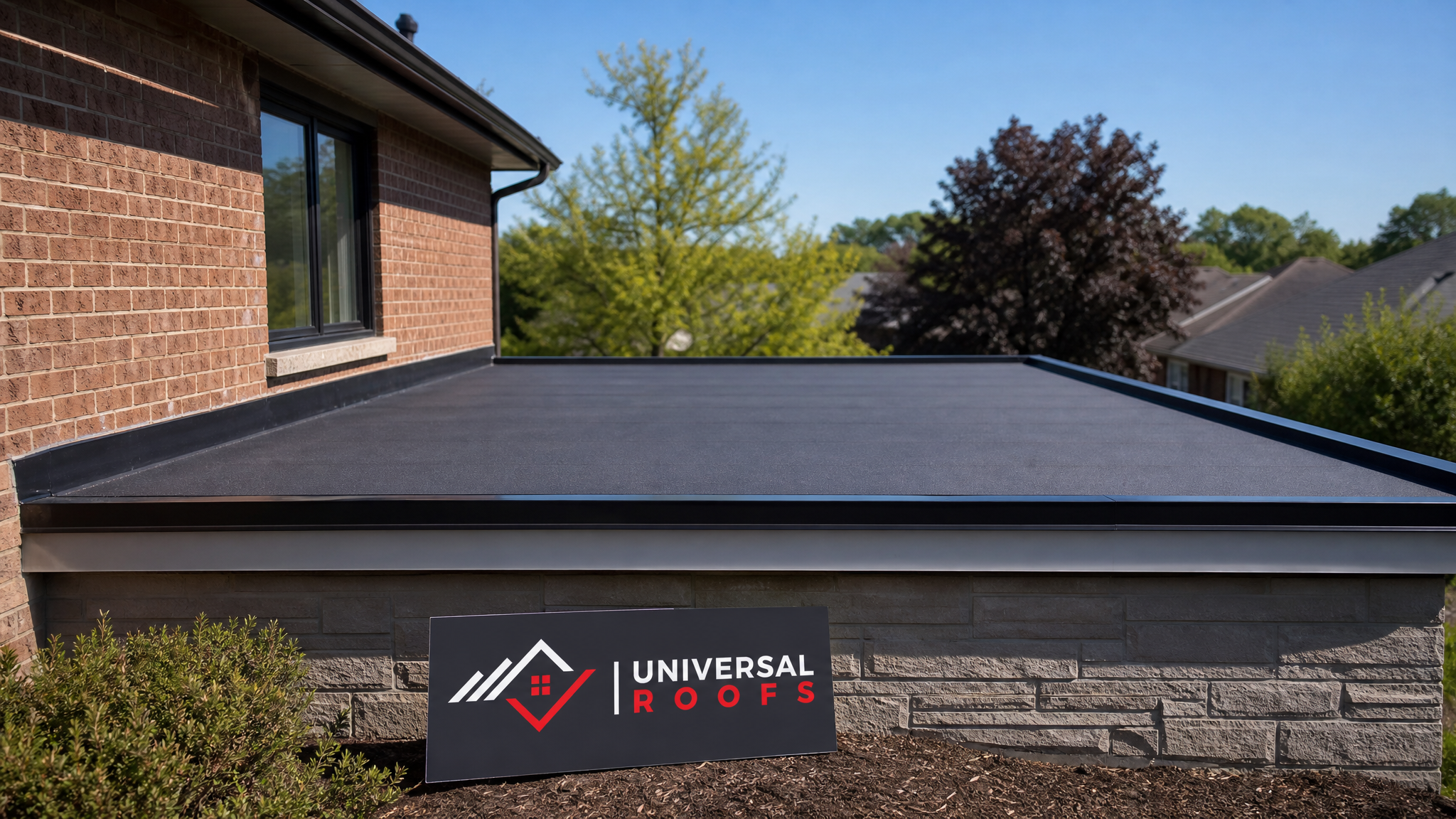
What “Affordable” Actually Means in Roof Repair
Affordable does not mean cheapest. In roofing, the cheapest quote is frequently the most expensive decision a homeowner can make, because it usually means missing steps: no proper flashing replacement, no underlayment upgrade, no attention to the root cause of a leak. Affordable roof repair means the most cost-effective path to a durable fix, which is a very different calculation.
A contractor who understands why choose affordable roof repair and waterproofing matters will start by diagnosing the actual failure point rather than jumping straight to a quote. Water rarely enters where it shows up on your ceiling. It travels along rafters, sheathing, and insulation before appearing as a stain, sometimes metres from the actual breach. A rushed inspection that patches the visible symptom without tracing the water’s path is why so many “repairs” fail within a year or two.
Real affordability comes from three things working together: correct diagnosis, appropriate materials for the specific failure, and workmanship that addresses the cause, not just the symptom. When all three are present, a $600 to $1,800 targeted repair can outperform a $12,000 premature replacement for another five to ten years. That is the financial logic behind choosing repair and waterproofing first, and only escalating to full replacement when the roof’s overall condition genuinely warrants it.
Repair vs. Replacement: How the Decision Actually Gets Made
Homeowners often assume any leak means the whole roof is failing. In our experience inspecting roofs across the GTA, that is rarely true. Most single leaks on roofs under 15 years old are localized failures: cracked flashing around a chimney or vent stack, a lifted shingle from wind uplift, deteriorated sealant at a skylight curb, or a blocked drain on a flat roof holding standing water against a membrane seam.
The decision between repair and full roof replacement should hinge on a handful of measurable factors rather than a gut feeling. Below is the framework we use on every inspection.
| Factor | Favours Repair | Favours Replacement |
|---|---|---|
| Roof age | Under 15 years (asphalt shingle) | Over 20 years or past manufacturer lifespan |
| Leak pattern | Single, localized source | Multiple leaks in different areas |
| Shingle condition | Granule loss under 20%, isolated damage | Widespread curling, cracking, bald patches |
| Deck condition | Sheathing solid, no soft spots | Rotted or delaminated sheathing found |
| Prior repair history | First or second repair on this roof | Third or more repair attempt in 3 years |
| Insurance/resale timeline | Homeowner staying 5+ years | Preparing to sell, insurer flagging roof age |
If most of your situation lines up with the “favours repair” column, an affordable, targeted fix is almost always the financially sound choice. A trustworthy contractor will tell you this directly rather than upselling a replacement your roof does not yet need. You can see how we approach this kind of assessment on our roof repair page.
Waterproofing Methods That Deliver Real Value
Waterproofing is the piece homeowners most often skip, and it is usually the most cost-effective investment on the whole list. Waterproofing is not a single product; it is a category of methods matched to the specific vulnerability being addressed. Choosing the correct method for the correct location is where real savings come from, because using an expensive membrane where a simple sealant would do wastes money, while using a cheap sealant where a membrane is required guarantees a repeat failure.
- Flashing repair and replacement — Metal flashing around chimneys, skylights, walls, and vent penetrations is the single most common source of roof leaks. Re-sealing or replacing flashing is inexpensive relative to the leak damage it prevents.
- Modified bitumen or torch-on membranes — Best for flat and low-slope roof sections, garage roofs, and additions, where standing water is a factor.
- Liquid-applied elastomeric coatings — Cost-effective for extending the life of an aging flat roof section without a full tear-off, particularly around drains and seams.
- Ice and water shield underlayment — Installed at eaves, valleys, and around penetrations during any repair, this is what actually stops the freeze-thaw damage that is unique to our climate.
- Foundation and below-grade waterproofing — Relevant when roof leaks are being confused with grading or foundation moisture issues, which happens more often than homeowners expect.
A contractor who defaults to the same single product for every job, regardless of location or failure type, is not practicing affordable waterproofing — they are practicing convenience for themselves. The right approach matches method to problem.
Why Toronto’s Climate Changes the Calculation
The GTA’s freeze-thaw cycle is one of the harshest conditions a roof membrane or shingle can face. Water that seeps into a hairline crack in the fall can freeze in January, expand, widen the crack, and by the spring thaw the same small imperfection has become a genuine leak path. This is why waterproofing timed before winter, or repaired promptly after winter damage appears, is disproportionately valuable in this region compared to milder climates.
Summer brings its own pressures: intense UV exposure accelerates the breakdown of asphalt shingles and membrane surfaces, while sudden severe thunderstorms test every flashing detail and drain on a flat roof at once. If you noticed a leak during a heavy summer downpour, that is useful diagnostic information — wind-driven rain finds different weak points than slow-melting snow does, and a good contractor will ask which conditions triggered the leak before ever climbing a ladder.
This seasonal reality is also why we recommend having any roof inspected proactively in early summer, after the freeze-thaw season has finished doing its damage but before autumn rains and the next winter arrive. Catching a small issue in July is dramatically more affordable than dealing with a fully developed leak during a January cold snap.
What Affordable Repair Actually Costs
Cost transparency is part of what makes a repair genuinely affordable rather than just cheap-sounding. Prices vary by roof type, access, and extent of damage, but the following ranges reflect typical GTA market rates for common repair and waterproofing scopes.
| Service | Typical Cost Range (CAD) | Typical Timeline |
|---|---|---|
| Flashing repair (chimney or vent) | $350 – $900 | Half day |
| Shingle patch (localized area) | $400 – $1,200 | Half day |
| Skylight re-flashing / reseal | $500 – $1,500 | Half to full day |
| Flat roof membrane patch | $600 – $2,000 | 1 day |
| Elastomeric waterproof coating (per section) | $1,200 – $3,500 | 1–2 days |
| Full roof replacement (comparison) | $8,000 – $18,000+ | 2–4 days |
These figures are general GTA guidelines, not a quote — every roof has its own access challenges, material needs, and code requirements. But the pattern is consistent: a well-diagnosed repair or waterproofing job typically costs a fraction of full replacement while extending the roof’s service life by years, not months.
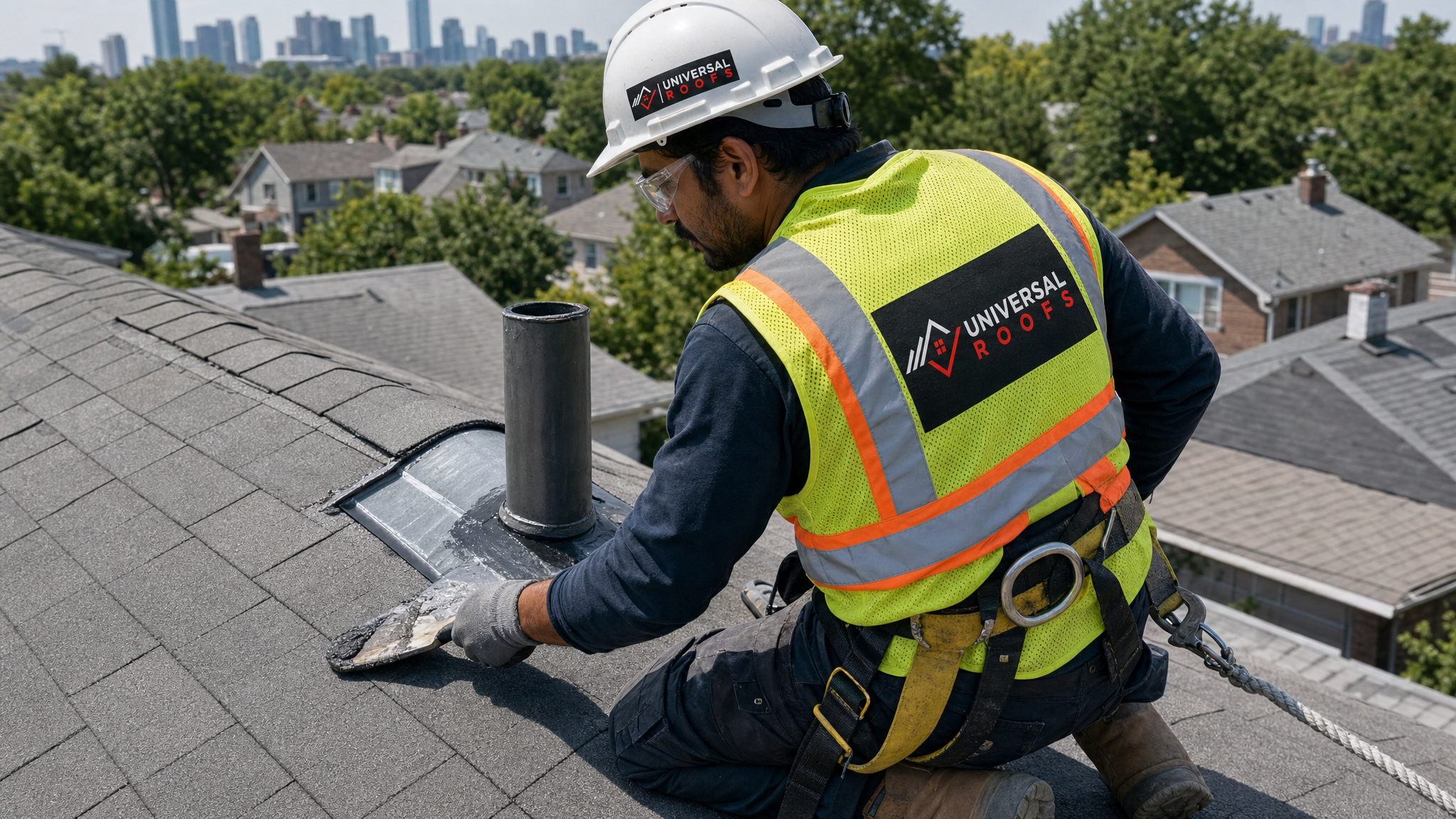
Signs You Need Repair and Waterproofing Now, Not Later
Roof damage rarely announces itself loudly at first. Learning to recognize the early signals is the single best way to keep repair costs low and avoid an emergency call during the next storm.
| Sign | What It Usually Means | Urgency |
|---|---|---|
| Ceiling stain that grows after rain | Active leak path from roof or flashing | High — book within days |
| Granules collecting in gutters or downspouts | Shingle wear, accelerating in heat/UV | Medium — schedule inspection this season |
| Standing water on flat roof 48+ hours after rain | Drainage or membrane slope issue | High — risk of membrane failure |
| Daylight visible around a skylight curb | Flashing separation or seal failure | High — direct water entry point |
| Musty smell in attic during humid weather | Trapped moisture, possible slow leak | Medium — inspect attic ventilation |
| Peeling paint or bubbling on interior wall near roofline | Moisture migrating through wall assembly | Medium-High — trace source promptly |
If you are seeing any of these signs, an inspection of both the roof surface and the attic space is the right next step. Attic inspections often reveal exactly where and how water is entering, which is critical information for keeping the eventual repair scope — and cost — as small as possible.
Flat Roofs, Skylights, and the Most Common Waterproofing Failure Points
Two roof features cause a disproportionate share of leak calls across the GTA: flat or low-slope roof sections and skylights. Both require waterproofing details that differ significantly from a standard sloped shingle roof, and both are areas where an affordable, well-executed repair can add years of life without a full replacement.
On flat roofing, the majority of failures trace back to drainage, not the membrane material itself. A membrane can be in good condition and still leak if water is pooling against a seam for days at a time because a drain is clogged or the roof was never sloped correctly during a past installation. Correcting drainage alongside a membrane patch is often what separates a repair that lasts from one that does not.
Skylights bring a different failure mode: the curb flashing where the skylight frame meets the roof deck. Sealant degrades faster here than almost anywhere else on the roof because it is exposed to constant thermal cycling as the glass and frame expand and contract with temperature swings. If your skylight is leaking, in many cases the glazing itself is fine and the fix is a skylight replacement of just the flashing and seal, not the unit. Our skylights page covers the products and installation details we work with across the region.
How to Choose a Contractor for Affordable, Lasting Repairs
The roofing industry in Toronto has no shortage of contractors, and pricing alone tells you almost nothing about who will do the job correctly. Here is what actually separates a contractor who delivers genuine value from one who simply undercuts on price and cuts corners to make the margin work.
- They inspect before quoting. A number given over the phone without seeing the roof is a guess, not a quote.
- They explain the cause, not just the fix. If a contractor cannot tell you why the leak happened, they likely have not properly diagnosed it.
- They carry proper insurance and licence documentation. Ask to see it — a legitimate contractor will have it ready.
- They offer a written scope and warranty. Verbal promises do not hold up when a repair fails eight months later.
- They have a visible local track record. Check reviews from homeowners in your specific area, not just a generic testimonial page.
We have served the Toronto, Peel Region, York Region, Halton Region, and Durham Region markets since 2005, and the pattern holds across every one of them: homeowners who get an honest repair-first assessment save significant money over their roof’s lifetime compared to those who accept the first replacement quote they are handed.
A Simple Maintenance Plan to Keep Repair Costs Low
Affordable roof repair is not just about the price of the fix — it is about reducing how often you need one. A modest annual maintenance routine catches small issues while they are still small.
| Task | Frequency | Why It Matters |
|---|---|---|
| Visual roof inspection (binoculars or drone photo) | Twice yearly (spring/fall) | Catches shingle wear, lifted flashing early |
| Gutter and downspout cleaning | Spring and fall | Prevents water backup against fascia and roof edge |
| Flat roof drain clearing | After major storms | Stops standing water that stresses membrane seams |
| Attic ventilation check | Annually | Reduces moisture buildup that rots sheathing from below |
| Skylight seal inspection | Annually | Catches flashing wear before interior leaks appear |
Homeowners who follow even a basic version of this schedule consistently spend less over a ten-year period than those who wait for visible leaks. It is the single most effective lever for keeping “affordable” as the permanent state of your roof budget rather than a one-time hope.
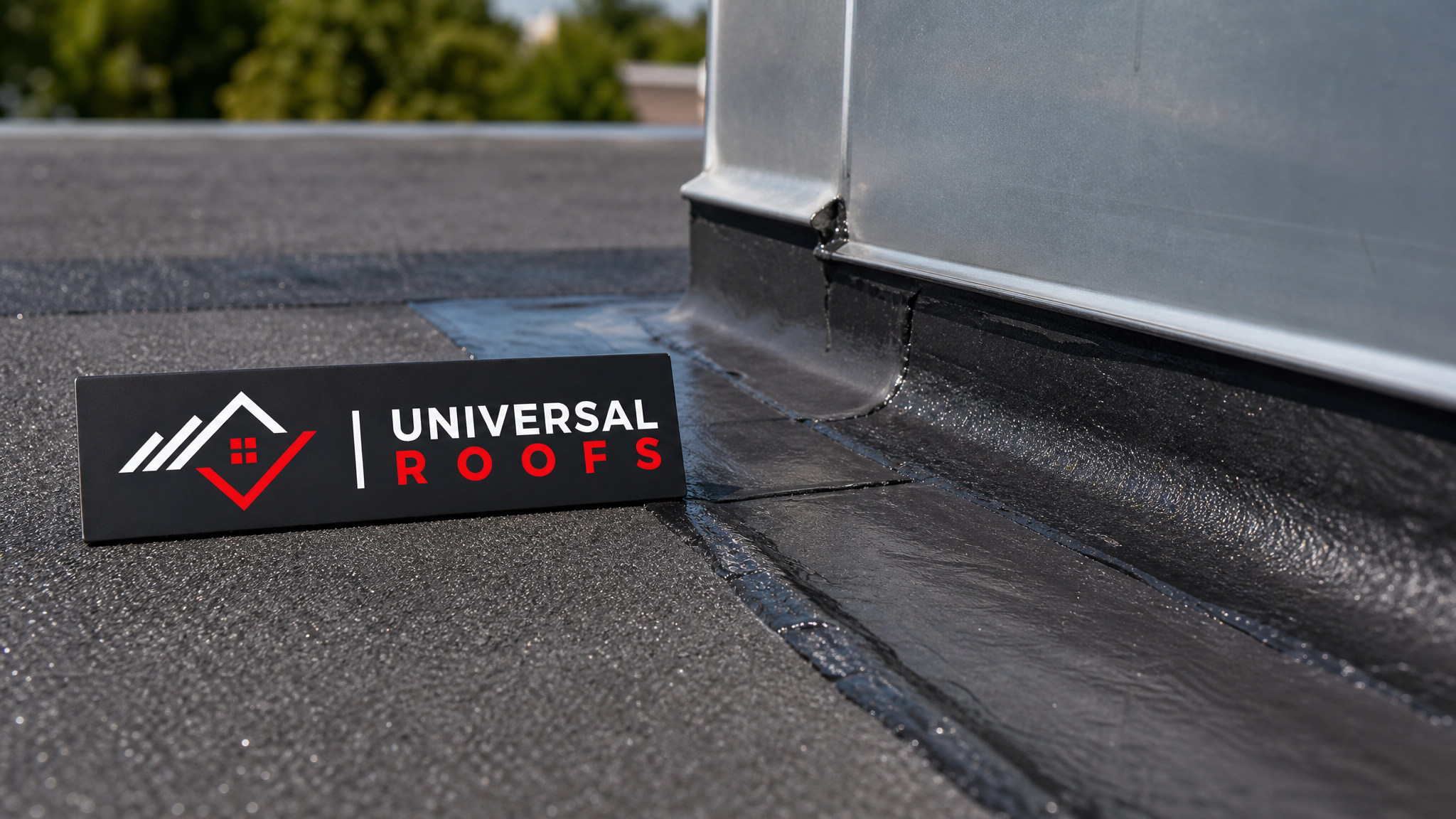
Common Mistakes That Turn an Affordable Repair Into an Expensive One
Even homeowners who set out to do the right thing sometimes make choices that undercut their own goal of an affordable, lasting fix. The most frequent mistakes we see include hiring based purely on the lowest quoted price without checking scope, allowing a small leak to go unaddressed through an entire season because it is “not that bad yet,” approving a repair that patches the visible symptom without tracing the water’s actual entry point, skipping attic and insulation checks after a leak that has already caused hidden moisture damage, and mixing incompatible materials — for example, applying a new sealant over an old, incompatible membrane, which can cause both to fail faster than either would alone.
Avoiding these mistakes costs nothing except a bit of patience and the right questions asked upfront. That is ultimately why choose affordable roof repair and waterproofing as a deliberate strategy, rather than treating every roof issue as either “ignore it” or “replace everything” — the two most expensive options available.
Why choose affordable roof repair and waterproofing instead of a full replacement?
How do I know if my roof needs repair or replacement?
What does affordable roof waterproofing typically cost in Toronto?
Why do roof leaks in Toronto often appear after winter or during summer storms?
Can flat roofs and skylights be repaired affordably, or do they always need full replacement?
How can I keep my roof repair costs affordable over time?
Need Help With Why Choose Affordable Roof?
Whether you are dealing with a single stubborn leak, an aging flat roof section, or a skylight that has started letting water in, Universal Roofs has spent two decades helping GTA homeowners find the most cost-effective, lasting fix for their specific roof rather than the most expensive one.
Call us today at (416) 732-2421 or request a free inspection to get started.
Universal Roofs proudly serves Toronto, Mississauga, Brampton, Vaughan, Markham, Oakville and the GTA since 2005.