
Siding replacement cost is one of those numbers that varies so widely between quotes that homeowners often wonder whether contractors are pricing the same house. Usually they are not pricing the same job. One quote includes tearing off the old cladding, new house wrap, flashing at every window and new soffit and fascia; another quietly leaves half of that out. Understanding what drives the price is the best way to compare quotes fairly and avoid surprises once the old siding comes off.
The material you pick sets the base rate, but the wall behind the old siding, the trim at the edges and how hard the walls are to reach decide where in the range you land. Every figure below is a broad estimate for GTA homes and will vary with the house, the season and the scope. Only an on-site assessment gives a reliable price.
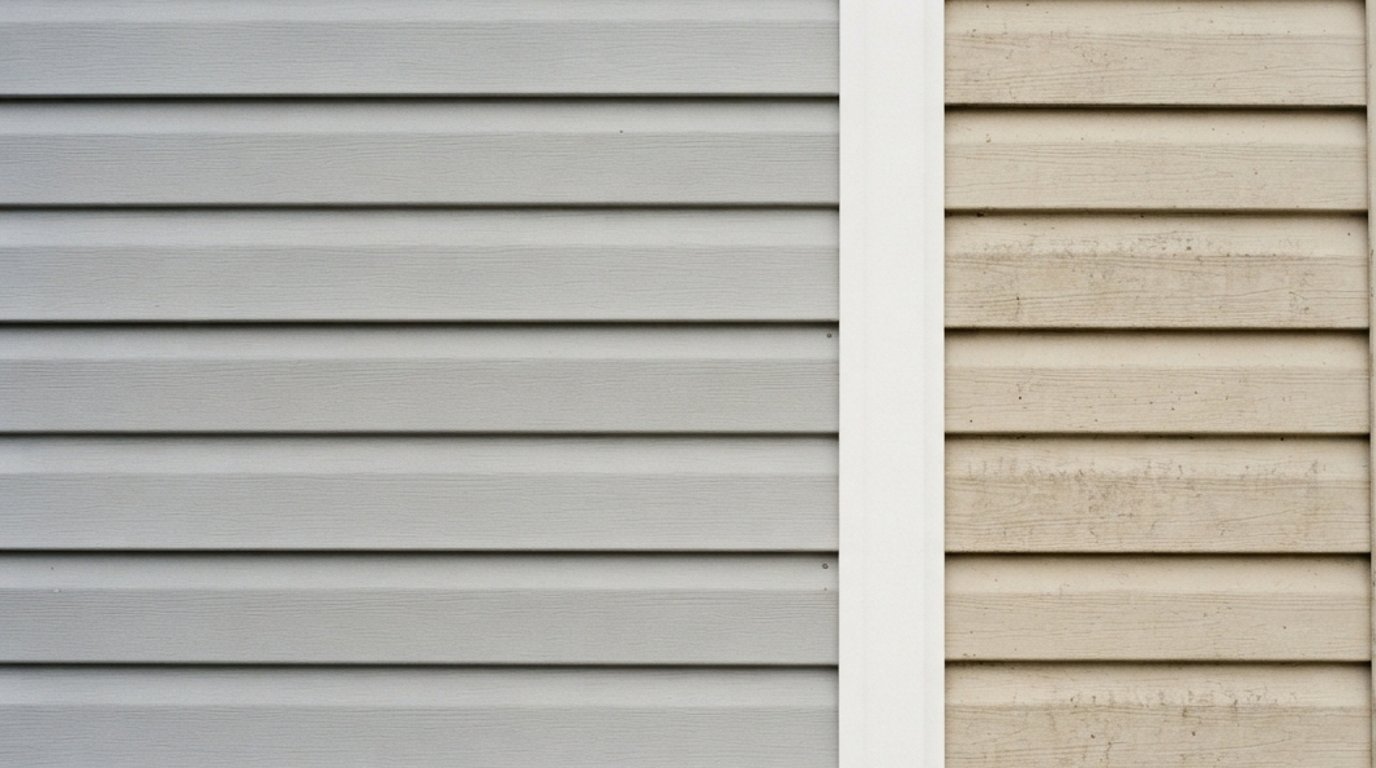
How Siding Replacement Cost Is Usually Calculated
Contractors typically measure the wall area to be clad in square feet, subtract large openings such as garage doors, and add a waste allowance for cuts, gables and corners. Siding is often discussed in “squares”, where one square equals 100 square feet of wall. The material and labour rate per square foot is then combined with separate line items for trim, soffit, fascia, repairs, disposal and access equipment.
Two things surprise owners here. First, many GTA homes are partly brick, with siding only on upper storeys, gables, dormers or additions, so the siding area can be much smaller than the house size suggests. Second, a complicated wall with many windows, bump-outs and corners costs more per square foot than a long, plain wall, because most of the labour goes into cutting and fitting around openings and trim.
Estimating your own wall area
You can get a rough sense of scale before any contractor visits. For each sided wall, multiply its length by its height. For a triangular gable, multiply the width at the base by the height to the peak and divide by two. Subtract large openings such as garage doors and patio doors, but not ordinary windows, since the trim work around them uses time and material anyway. Add the walls together and divide by 100 to get the approximate number of squares. Your figure will not match a contractor’s exactly, because they add waste and measure details more carefully, but it helps you spot a quote that seems far off for the size of the job and makes the per-square-foot ranges below more meaningful.
For a look at the full exterior scope we handle, including cladding, soffit and fascia together, see our siding, soffit and fascia replacement services.
Material Choice: The Biggest Single Driver
The cladding you choose sets the base rate for the whole siding replacement cost. The table below shows typical installed ranges per square foot of wall for common materials, including standard labour and basic accessories but not major repairs, soffit or fascia.
| Material | Estimated installed range (CAD per sq ft of wall) | Notes |
|---|---|---|
| Standard vinyl siding | Often $6 to $12 | Most affordable; price rises with panel thickness and colour |
| Insulated vinyl siding | Often $9 to $15 | Foam-backed panels, flatter wall, better impact resistance |
| Steel or aluminum siding | Often $10 to $18 | Durable finishes; steel resists dents better |
| Engineered wood siding | Often $10 to $18 | Wood look with factory finish; needs careful detailing |
| Fibre cement siding | Often $12 to $22 | Heavier, more labour; factory-finished options cost more |
| Natural wood siding | Often $12 to $25 or more | Species and finish drive cost; ongoing maintenance |
Within each material, the grade matters. Thicker vinyl panels, premium colours with better fade resistance, longer panel lengths and specialty profiles such as board and batten or shakes all sit at the higher end of a range. Darker colours in vinyl often cost more because they use more advanced pigments and heat-resistant formulas.
Tear-Off And Disposal
Removing the old cladding is usually the right call. It lets the installer see and repair the wall, install a proper membrane and flash openings correctly. Installing new siding over old may look cheaper on paper, but it hides problems and complicates trim details.
As a rough estimate, tear-off and disposal often add $1 to $3 per square foot of wall, depending on the material and the number of layers. A few factors push it higher:
- Multiple layers. Older homes sometimes have aluminum over wood clapboard over an even older layer, and each must come off.
- Heavy or difficult materials. Stucco, wood shakes and some older cladding take longer to remove than vinyl.
- Hazardous materials. If older cladding might contain asbestos, such as some asbestos-cement shingles, it must be tested and, if positive, removed by a qualified abatement firm. That adds cost and time.
- Bin placement. A bin on the driveway is simple. If it has to go on the road, municipal permits may apply.
Aluminum cladding has scrap value, and some contractors credit it against the job. It is worth asking.
Sheathing Repairs: The Unknown On Every Quote
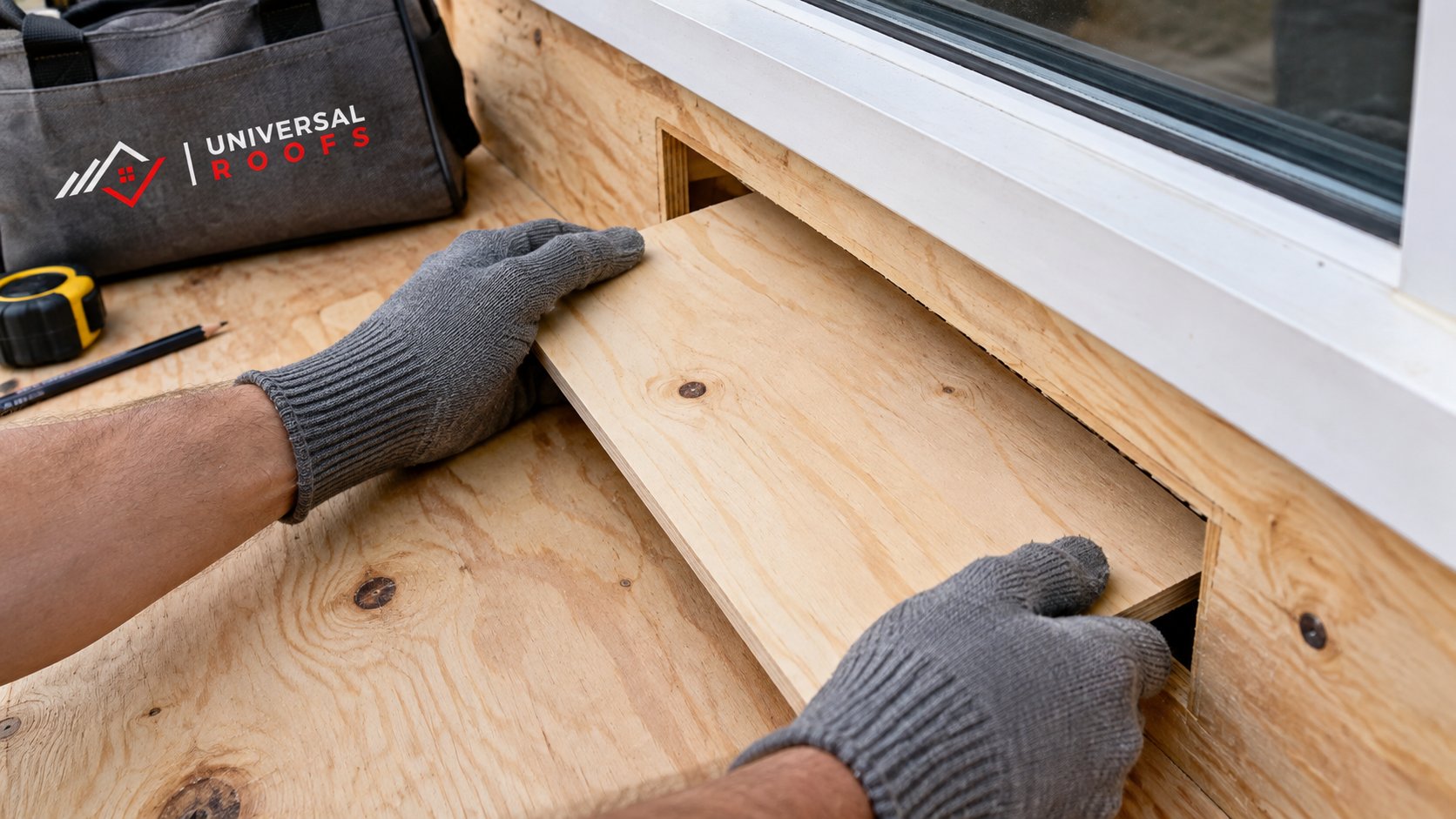
Sheathing repairs are the item most likely to change a siding replacement cost after work starts, because no one can see behind the old cladding with certainty. Water entering at windows, roof-wall intersections, overflowing eavestroughs and penetrations can soften plywood, OSB or old board sheathing over many years.
A good contractor handles this openly:
- The quote states a unit price for replacing sheathing, often per sheet or per square foot, so you know the rate before any is found.
- The contractor shows you the damage, with photos, before replacing it.
- The source of water is identified, because replacing sheathing without fixing the cause only repeats the problem.
As a broad estimate, replacing a sheet of sheathing often runs $80 to $150 installed, and more where framing behind it also needs repair. Most houses need little or none; some older homes with long-term leaks need a lot. Budgeting a contingency, for example a modest amount set aside for unexpected repairs, avoids stress when the wall is opened. When water came from the roofline, it may also need roof repair at the wall intersection.
House Wrap, Flashing And The Wall Membrane
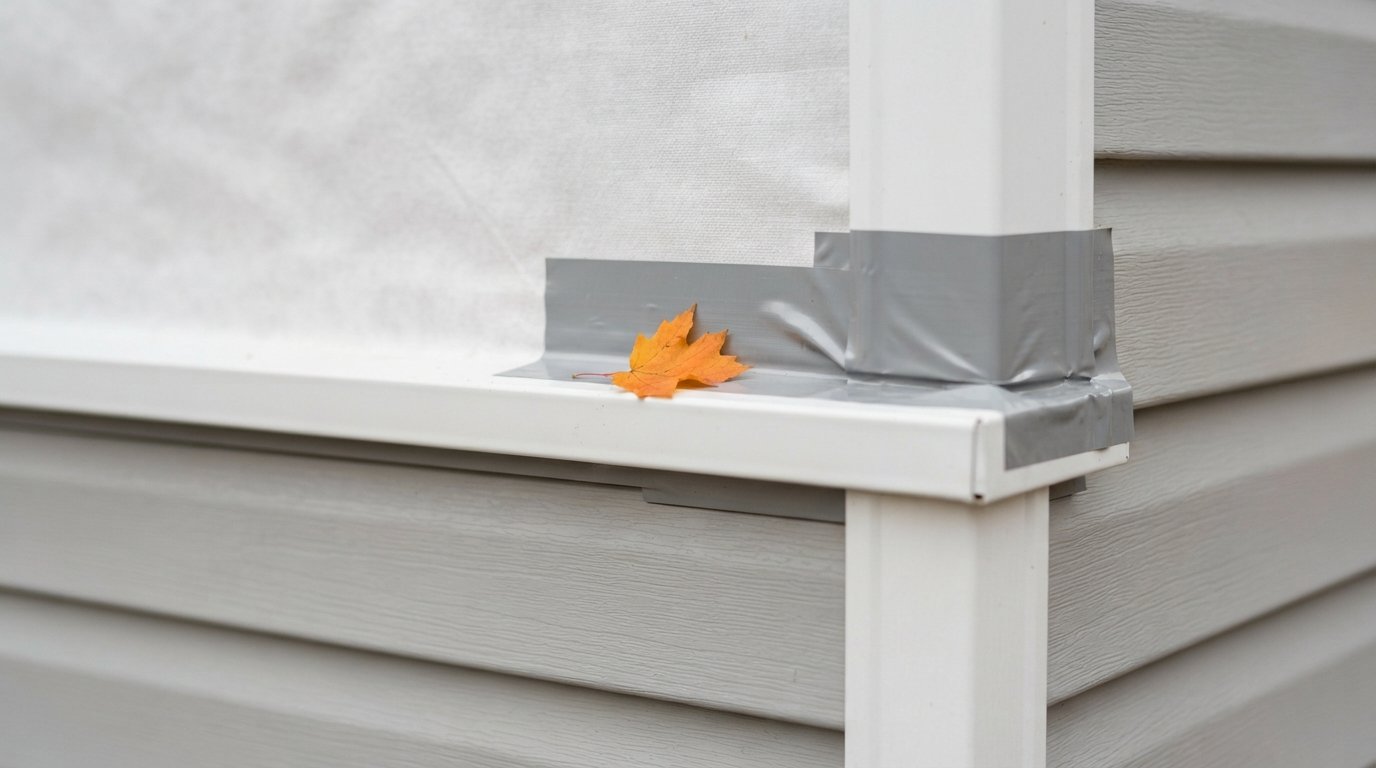
Behind every cladding should be a water-resistive layer, commonly house wrap or a sheathing membrane, lapped so water runs outward. Around each opening, flashing and membrane details direct water out of the wall. These details do not show once the siding is on, which is exactly why they get trimmed from low quotes.
As rough estimates, new house wrap with taped seams often adds $0.75 to $2 per square foot of wall, while window and door flashing details are often priced per opening, frequently between $50 and $200 each depending on the size and the existing condition. Kickout flashing where a roof meets a wall is a small item that prevents expensive damage and should not be left out.
Some owners add rigid insulation board at this stage. That increases cost for the board, longer fasteners and extended window and door trim, but it improves the wall’s thermal performance. If you go that route, ask how vapour control and drainage have been considered, and confirm current Ontario Building Code requirements with your contractor and municipality.
Trim, Soffit And Fascia
The edges of a siding job often account for a surprising share of the price. They include corner posts, J-channel around windows, starter strips, window and door trim, frieze boards and the soffit and fascia at the roofline.
- Window and door trim: wrapping frames in prefinished aluminum capping often runs roughly $150 to $400 per opening as an estimate, depending on size and condition.
- Soffit and fascia: replacing soffit and fascia together often falls in the range of $15 to $35 per linear foot of roofline, depending on soffit width, venting and height.
- Specialty trim: wide decorative trim, columns or composite trim boards add cost and labour.
Doing soffit and fascia with the siding is often efficient, because scaffolding or ladders are already in place and colours can be coordinated. It is also the moment to check that soffit venting supports attic ventilation, which matters for the roof as well. Our attic ventilation work can be coordinated with the soffit replacement.
Height, Access And Site Conditions
Labour on a bungalow wall is quicker and safer than on a three-storey gable, and that difference shows up clearly in siding replacement cost. Height and access change both time and equipment.
- Storeys and gables. Upper walls require taller ladders, scaffolding or lifts and fall protection, which slows work.
- Tight side yards. Narrow gaps between houses limit where scaffolding and materials can go, so work takes longer.
- Grade and landscaping. Slopes, decks, gardens and walkways along walls complicate staging.
- Attached homes. Semis and townhouses need care at the shared walls and coordination with neighbours.
- Season. Cold-weather installation is possible, but vinyl and sealants have temperature requirements, and shorter autumn days reduce productive hours.
As a broad estimate, scaffolding or lift rental on tall or difficult walls can add from several hundred to a few thousand dollars, depending on duration and the amount of wall involved.
| Cost driver | Pushes price up when | Keeps price down when |
|---|---|---|
| Material grade | Premium profiles, thick panels, dark or specialty colours | Standard profiles in common colours |
| Wall complexity | Many windows, corners, bump-outs and gables | Long, plain walls |
| Existing cladding | Multiple layers, stucco, suspected asbestos | Single layer of vinyl or aluminum |
| Wall condition | Soft sheathing, missing membrane, poor flashing | Sound, dry sheathing |
| Access | Three storeys, tight side yards, steep grade | Single storey with open access |
| Edge details | New soffit, fascia and window capping included | Existing trim in good condition |
Ways To Manage Siding Replacement Cost Without Cutting Corners
There are sensible ways to bring a siding replacement cost down, and there are false economies that cost more later. The difference is whether the saving comes from choices you can see or from details that keep water out.
Reasonable ways to save
- Choose a mid-grade product. A good standard vinyl in a common colour, properly installed over a sound wall, performs well. Premium grades are worth it for appearance or impact resistance, not for basic weather protection.
- Keep sound trim. If existing aluminum soffit and fascia are in good condition and the colour still works, they may not need replacing.
- Phase the work by elevation. Some owners do the worst walls first and the rest later, accepting a short period of mismatched colours. Make sure the transition is detailed properly at corners.
- Coordinate with other projects. If eavestroughs, windows or a reroof are planned, sharing access equipment and sequencing the trim can avoid paying for the same setup twice.
- Book outside the busiest weeks. Schedules are often tightest in late spring and early autumn. Asking about flexibility on timing does no harm.
Savings that usually backfire
- Skipping the tear-off and installing over old cladding.
- Leaving out house wrap, window flashing or kickout flashing.
- Choosing the lowest quote without checking what it excludes.
- Ignoring the water source behind damaged sheathing.
Each of these lowers the upfront siding replacement cost but raises the chance of paying for wall repairs a few years later, often at a higher price than doing them right the first time.
Reading And Comparing Quotes
The fastest way to make sense of a spread in siding replacement cost between contractors is to put quotes side by side, line by line. A low number that leaves out key items is not a saving.
| Line item to look for | Why it matters | Warning sign if missing |
|---|---|---|
| Full tear-off of existing cladding | Allows inspection and proper repairs | Siding installed over old cladding without explanation |
| Sheathing replacement unit price | Controls cost if damage is found | Open-ended “extras as required” wording |
| House wrap or sheathing membrane | Main water-resistive layer behind the cladding | No mention of the membrane at all |
| Window, door and kickout flashing | Most wall leaks start at openings and roof-wall corners | Only caulking mentioned at openings |
| Exact product, profile and colour | Grades differ widely in price and performance | Generic “vinyl siding” with no product name |
| Trim, soffit and fascia scope | Often a large share of the total | Unclear whether existing trim is kept or replaced |
| Disposal and cleanup | Bins, permits and site cleanup cost money | No mention of who removes debris |
Also ask how long the job will take, what happens to the schedule if weather turns, and what workmanship coverage the contractor offers in writing. An itemised quote that prices cladding, trim and the roofline together, the way our Durham Region roofing, eavestroughs and attic work team writes them, makes that comparison much easier.
Siding Cost Questions
What is the average siding replacement cost for a GTA home?
Why do siding quotes vary so much?
Is it cheaper to install new siding over old?
How much should I budget for hidden repairs?
Does replacing soffit and fascia at the same time save money?
Can siding be replaced in autumn?
Get A Clear Siding Replacement Cost For Your Home
If you want a quote that spells out every line, from tear-off and membrane to trim and soffit, we will measure your walls and walk you through the options. Universal Roofs prices siding, soffit, fascia and roofline work together so nothing is left to guesswork.
Call us today at (416) 732-2421 or request a free estimate.
Helping homeowners across Durham Region and the wider GTA plan exterior work with confidence.