
A skylight leak rarely announces itself with a flood. It starts as a faint yellowish ring on the drywall, a musty smell in the hallway closet, or a single drop of water on the windowsill after a hard rain. Homeowners often wait, hoping the stain will dry up on its own. It never does. That hesitation is exactly why immediate skylight repair is crucial the moment you notice a problem, rather than something to schedule “whenever it’s convenient.”
At Universal Roofs, we have been repairing and replacing skylights across the Greater Toronto Area since 2005, and the pattern is remarkably consistent: the homeowners who call within days of noticing an issue pay a fraction of what the homeowners who wait six months pay. A $300 reseal becomes a $3,000 drywall, insulation, and framing repair when moisture is left to travel. This guide explains exactly why timing matters so much with skylight problems, what happens inside your roof when a leak is ignored, and how to tell the difference between a cosmetic nuisance and a genuine emergency.
We will walk through the physical process of skylight failure, compare repair timelines and costs at different stages of damage, cover the summer-specific risks GTA homeowners face right now, and give you a clear decision framework for when to call a professional versus when you can safely monitor a small issue. If you are reading this because you already have a leak, skip ahead to our roof repair section for immediate next steps.
What Happens Inside Your Roof When a Skylight Leak Is Ignored
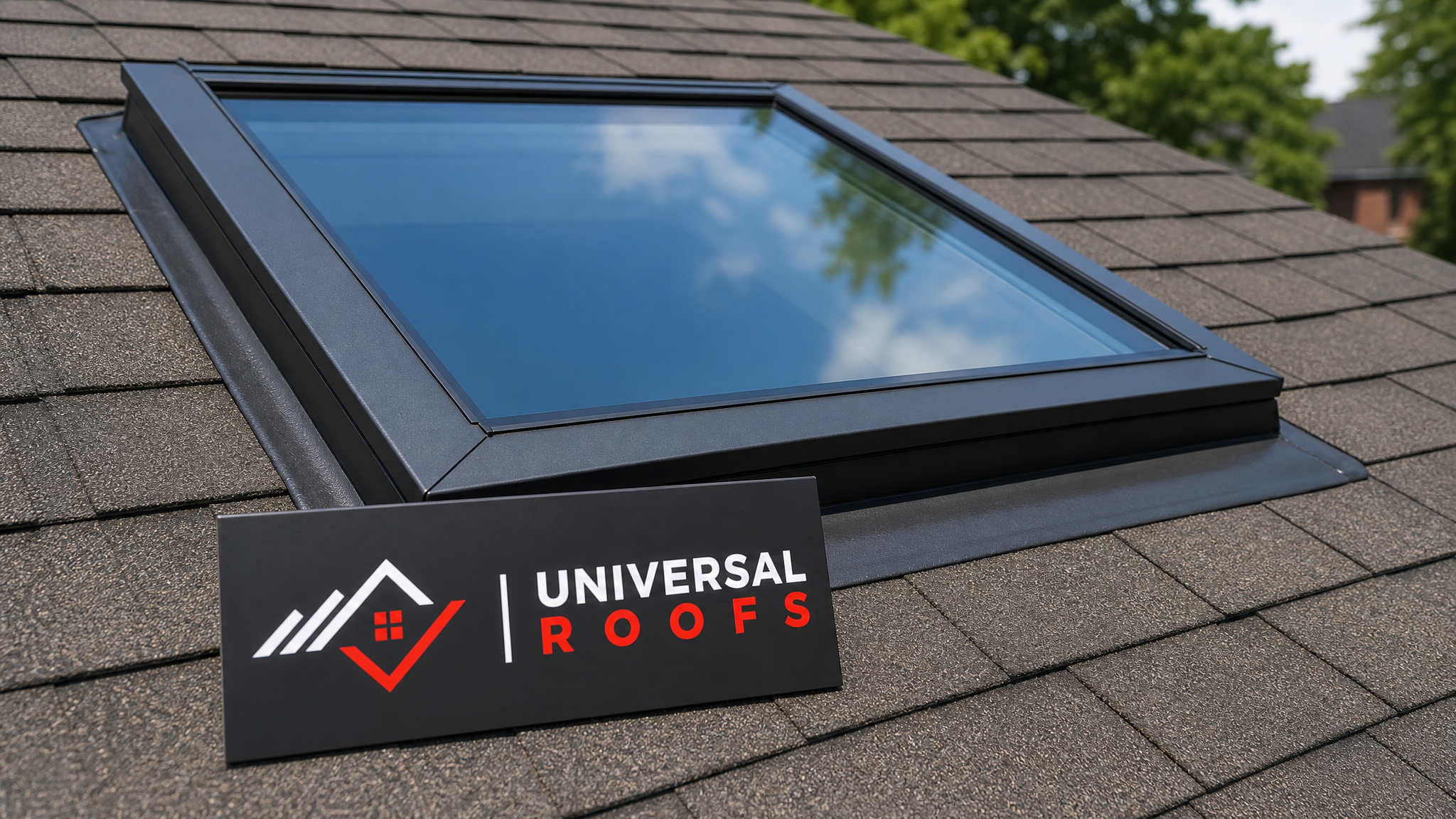
A skylight is essentially a large hole cut into your roof deck with a glass or acrylic unit fitted over it. The only things keeping water out are the flashing (the metal or rubber barrier around the frame), the sealant at the glazing joints, and the condition of the shingles or membrane immediately surrounding the unit. When any one of these fails, water does not simply pool on the surface and evaporate. It finds the path of least resistance downward, following framing members, insulation batts, and vapour barriers until it hits something it cannot pass through, usually your drywall ceiling.
This is why immediate skylight repair is crucial from a purely physical standpoint: water damage compounds. A small amount of moisture entering the roof deck saturates the wood, which softens the fibres and creates a path for future water to move even faster. Within two to three weeks of sustained or repeated moisture exposure, mould colonies can establish themselves inside wall cavities and attic insulation, completely out of sight until the smell or a health symptom gives it away.
Meanwhile, the insulation around the skylight shaft (the vertical chase connecting the roof opening to the ceiling opening) loses its R-value as soon as it gets wet. Wet fibreglass or cellulose insulation compresses and stops trapping air, which means your attic and living space lose thermal performance exactly where you need it most, right at a major heat-loss point in the building envelope.
The Cost Escalation Timeline: Why Waiting Never Saves Money
We track repair costs across hundreds of skylight service calls every year, and the relationship between response time and total cost is almost linear until it suddenly becomes exponential. The table below reflects typical GTA pricing ranges based on how long a known leak has been left unaddressed.
| Time Since Leak First Noticed | Typical Damage Stage | Estimated Repair Cost (CAD) | Scope of Work Required |
|---|---|---|---|
| 0 to 2 weeks | Surface moisture, minor flashing gap | $250 to $650 | Reseal glazing, replace flashing sections |
| 2 to 8 weeks | Wood framing softening, insulation damp | $700 to $1,800 | Flashing replacement, partial insulation swap, sealant overhaul |
| 2 to 6 months | Drywall staining, visible ceiling sag | $1,800 to $4,000 | Drywall cut-out, insulation replacement, full flashing rebuild |
| 6 or more months | Structural rot, mould colonisation | $4,000 to $9,500+ | Framing repair or replacement, mould remediation, full skylight replacement |
| Deferred until unit fails entirely | Skylight unit itself needs replacement | $1,200 to $3,500 per unit plus above | Complete skylight replacement in addition to structural repair |
Notice that the jump from the first tier to the second tier is modest, but the jump from the third tier to the fourth tier is dramatic. That inflection point is where water has fully saturated the framing lumber and begun to compromise its structural integrity. Once a roof truss or rafter has softened, no amount of resealing fixes the underlying problem, the wood itself has to be sistered or replaced, which means opening up the ceiling and, in many cases, part of the roof deck.
Why Toronto’s Climate Makes Delay Especially Dangerous
Homeowners in milder climates can sometimes get away with putting off a minor leak repair for a season. The GTA is not one of those climates. Our winters bring repeated freeze-thaw cycles, and any water that has seeped into flashing seams or framing gaps expands by roughly nine percent when it freezes. That expansion widens existing cracks and gaps, so a leak that was a slow drip in October can become a much larger breach by the time it thaws in March.
Right now, in the middle of summer, the risk profile shifts but does not disappear. Summer thunderstorms in the GTA are often short, intense downpours that dump significant rainfall in under an hour, exactly the kind of event that overwhelms a marginal seal that has been quietly failing for months. High humidity and heat also accelerate mould growth once moisture is present, since warm, damp cavities are the ideal environment for spores to multiply. A leak you notice today, in July, and choose to “deal with in the fall” has a real chance of becoming a mould remediation project by September.
This seasonal reality is one more reason immediate skylight repair is crucial no matter what time of year you spot the problem. Every season in Toronto has its own mechanism for turning a small leak into a large one: freeze-thaw expansion in winter, storm intensity in summer, and wind-driven rain in spring and fall.
Warning Signs That Mean You Should Call Today, Not This Weekend
Not every skylight issue is a five-alarm emergency, but certain signs indicate that the failure is active and progressing rather than static. Understanding this distinction helps you triage correctly instead of either panicking over a minor issue or ignoring a serious one.
| Warning Sign | Likely Cause | Urgency Level | Recommended Action |
|---|---|---|---|
| Fresh water dripping during or right after rain | Active flashing or seal failure | Emergency, same day | Call for immediate assessment |
| Yellow-brown ring on ceiling drywall, not growing | Old leak, possibly already stopped | High, within 48 hours | Schedule an inspection to confirm it’s resolved |
| Musty odour near the skylight shaft | Trapped moisture or early mould | High, within a few days | Book an inspection and air quality check |
| Condensation only on cold mornings, gone by noon | Normal interior humidity, not a leak | Low, monitor | Improve ventilation, recheck after a heavy rain |
| Visible daylight around the frame edges | Gap in flashing or failed seal | Emergency, same day | Cover temporarily, call for repair |
| Cracked or fogged glazing pane | Failed seal between glass panes | Medium, within a week | Schedule replacement before it worsens |
The condensation-versus-leak distinction trips up a lot of homeowners. Morning condensation that clears by mid-day is usually just humid indoor air meeting a cold surface, and it is a ventilation issue rather than a waterproofing failure. Persistent moisture that appears regardless of indoor humidity, or that shows up specifically during and after rain, is a genuine leak and should be treated with urgency.
What a Professional Repair Actually Involves
When you call Universal Roofs for a skylight leak, the visit is not a guessing game. It follows a specific diagnostic sequence designed to find the actual entry point rather than just patching the symptom.
- Visual inspection of the flashing: We check the step flashing, counter-flashing, and any saddle or cricket flashing above the unit for gaps, corrosion, or improper overlap with the shingles or membrane.
- Glazing and seal check: We examine the perimeter sealant and the seal between glass panes for cracking, shrinkage, or separation from age and UV exposure.
- Water test: In cases where the entry point is not obvious, we run a controlled water test on the roof while checking the interior shaft for the first sign of intrusion, which pinpoints the exact failure location.
- Interior shaft and insulation check: We open the shaft where necessary to assess whether insulation or framing has already absorbed moisture and needs replacement, not just the exterior seal.
- Structural assessment: For leaks that have been present for months, we check the rafters and deck sheathing around the opening for softness or rot before closing everything back up.
This sequence matters because a surface reseal on a unit with already-wet framing behind it just hides the problem temporarily. Within a season, the same stain reappears, except now it is spreading from trapped moisture that never had a chance to dry.

DIY Stopgaps vs. Professional Repair: What You Can Safely Do Yourself
We understand the instinct to grab a tube of roofing sealant from the hardware store the moment you spot a drip. Some temporary measures are genuinely useful while you wait for a professional visit; others do more harm than good by trapping moisture or voiding warranties.
| Action | Safe as a Temporary Measure? | Why |
|---|---|---|
| Placing a bucket or towel under an interior drip | Yes | Prevents floor and furniture damage while you wait for repair |
| Covering the skylight with a tarp secured away from the glass edges | Yes, with caution | Reduces further water entry, but climbing on a wet or sloped roof is dangerous, hire a professional if the roof pitch is steep |
| Applying silicone caulk directly over existing sealant | No | Often traps moisture underneath and can void manufacturer warranties on the unit |
| Removing interior drywall yourself to “check” for damage | No | Can disturb insulation and expose live electrical if pot lights are nearby; leave assessment to a professional |
| Running a dehumidifier or fan near a wet ceiling stain | Yes | Helps slow mould growth while you wait, though it does not fix the source |
The safest general rule: manage water on the inside with towels, buckets, and a dehumidifier, but leave the roof itself to a professional. Skylight flashing sits at a roof valley or slope transition, which is one of the more hazardous areas of a roof to access safely without fall protection equipment.
Repair vs. Replacement: How to Know Which One You Need
Not every skylight problem calls for a full unit replacement, and not every leak can be permanently fixed with a simple reseal. The decision usually comes down to the age of the unit, the extent of the damage, and whether the failure is in the flashing or in the glazing unit itself.
Units under 10 years old with an isolated flashing failure are almost always candidates for repair through our roof repair service. Units over 15 to 20 years old, especially with fogged glazing (a sign the gas seal between panes has failed) or multiple past leak events, are usually better served by full skylight replacement, since the underlying seals throughout the unit are reaching end of life together. If you are considering a skylight for a renovation or new build rather than a repair, our skylights page covers the current product options and what suits different roof types.
It is also worth noting that a struggling skylight can be a symptom of a larger roofing issue rather than an isolated problem. If the skylight sits on a low-slope or flat section of roof, the water pooling dynamics are different from a steep-slope installation, and our flat roofing team factors that in when assessing drainage and membrane condition around the unit.
Insurance, Warranty, and Documentation Considerations
Timing affects more than just repair cost, it affects your insurance and warranty position too. Most home insurance policies in Ontario require that damage be reported promptly and that reasonable steps be taken to prevent it from worsening. An insurer reviewing a claim for extensive drywall and structural damage may reduce or deny coverage if photos and service records show the leak was visible for months before any action was taken.
Skylight manufacturer warranties typically follow a similar logic. Most warranties cover manufacturing defects in the glazing seal or frame for 10 to 20 years, but they generally exclude damage caused by delayed maintenance once a defect has been identified. Getting a professional inspection and repair record as soon as you notice an issue protects both your insurance position and your warranty claim, should either become necessary.
| Documentation Step | When to Do It | Why It Matters |
|---|---|---|
| Photograph the stain or drip location | The day you notice it | Establishes a timestamp for insurance and warranty purposes |
| Request a written inspection report | At the time of your service call | Creates a professional record of the cause and extent of damage |
| Keep receipts for temporary measures (tarps, buckets) | Ongoing until repair | Some policies reimburse reasonable mitigation costs |
| Save the repair invoice and warranty paperwork | After the repair is complete | Needed if a related issue recurs within the warranty period |
Preventive Maintenance: Reducing the Chance of an Emergency Call
The best skylight repair is the one you never need. A short annual inspection, ideally in spring before the heavy rain season, catches small flashing gaps and sealant wear before they become active leaks. We recommend homeowners visually check their skylight from the ground with binoculars twice a year, looking for cracked sealant lines, lifted shingles nearby, or debris buildup that could be trapping water against the frame.
Trees overhanging the roof are a common contributor to premature skylight seal failure, since falling branches and constant leaf debris trap moisture directly against the flashing. Keeping branches trimmed back and clearing debris after autumn leaf-fall meaningfully extends the life of the seal. If your skylight sits within a larger roofing system that is approaching 20 years old, it may also be worth having the whole roof assessed at once. Our roof replacement team can evaluate whether isolated skylight repairs make sense or whether a broader roof renewal would be more cost-effective in the long run.

Serving Homeowners Across the GTA
Skylight leak patterns vary somewhat by neighbourhood age and roof style across the region. Older homes in central Toronto neighbourhoods often have original skylights approaching or past their expected lifespan, while newer builds across Peel Region, York Region, Halton Region, and Durham Region tend to see more flashing installation issues from the original construction rather than age-related wear. Whatever the cause, our crews carry the flashing profiles and sealant systems needed to handle both scenarios on the same service call.
You can read what past clients experienced on our reviews page, and if you have questions about how our inspection and repair process works before booking, our FAQ page and about page cover our background and approach in more detail.
Why is immediate skylight repair crucial once you spot a leak?
How much does it cost to repair a leaking skylight in Toronto?
Can I temporarily fix a skylight leak myself before a professional arrives?
How do I know if my skylight needs repair or full replacement?
Does Toronto’s climate make skylight leaks worse if left unrepaired?
Will my home insurance cover skylight leak damage if I wait to report it?
Need Help With Why Is Immediate Skylight?
If you have noticed staining, dripping, or daylight around a skylight frame, the smartest move is to have it assessed before the next heavy rain. Universal Roofs has handled skylight repairs across the GTA since 2005, and our technicians can typically diagnose the cause and provide a repair estimate on the same visit.
Call us today at (416) 732-2421 or request a free inspection to get started.
Universal Roofs proudly serves Toronto, Mississauga, Brampton, Vaughan, Markham, Oakville and the GTA since 2005.