
Discovering a handful of curled, cracked, or missing shingles after a windy July storm is the moment most Toronto homeowners start searching for help. But finding the right team among dozens of options isn’t just about who answers the phone first — it’s about verifying licensing, understanding pricing structures, and knowing what a proper repair actually involves. This guide walks through exactly how to evaluate local shingle repair contractors for roof repairs, what a fair quote should include, and the warning signs that separate a five-year fix from a five-week disaster.
Asphalt shingle roofs make up the vast majority of residential roofing across the Greater Toronto Area, and for good reason — they’re affordable, durable when properly maintained, and well suited to our freeze-thaw climate when installed correctly. But that same climate is unforgiving on shortcuts. A contractor who nails shingles in cold weather without adjusting technique, or who skips flashing repair to save an hour of labour, can turn a $400 repair into a $4,000 one within two winters.
This article breaks down the practical, no-nonsense criteria for choosing among local shingle repair contractors for roof repairs, walks through what typical repairs cost and take, and gives you a troubleshooting framework so you can talk to any estimator with confidence.
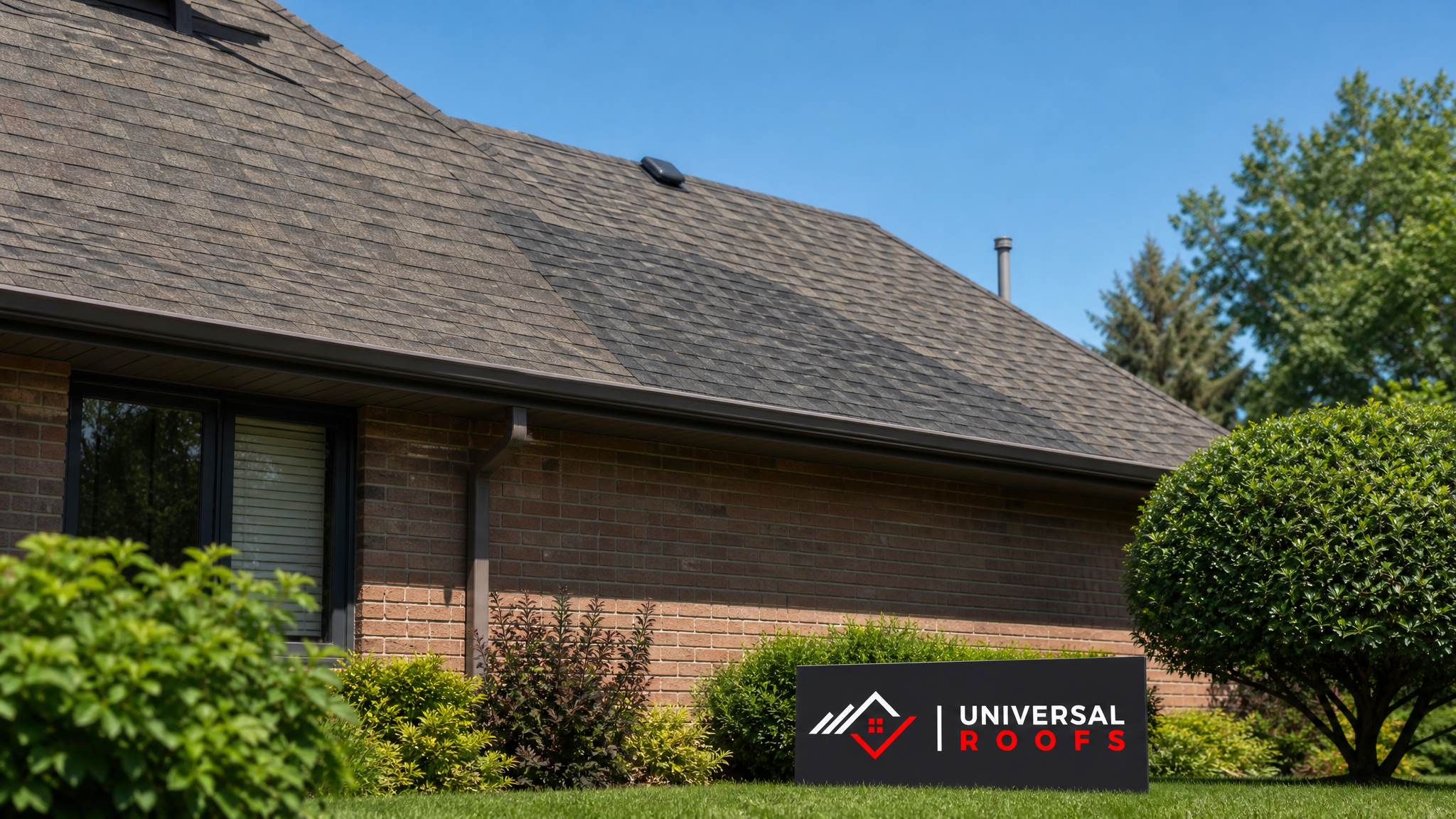
Why Shingle Repairs Go Wrong When You Pick the Wrong Contractor
Before comparing contractors, it helps to understand what actually causes shingle repair failures, because this is precisely what separates a qualified crew from a handyman with a nail gun. Most failed repairs trace back to one of four root causes: improper flashing work, mismatched or incompatible shingle products, nailing errors, and skipped underlayment inspection.
Flashing — the thin metal used around chimneys, vents, valleys, and skylights — is involved in the majority of leaks that homeowners initially blame on “bad shingles.” A contractor who only replaces the visible shingles without inspecting and, if necessary, replacing the flashing beneath them is treating a symptom, not the cause. This is one of the biggest reasons the same leak reappears eight months after a “repair.”
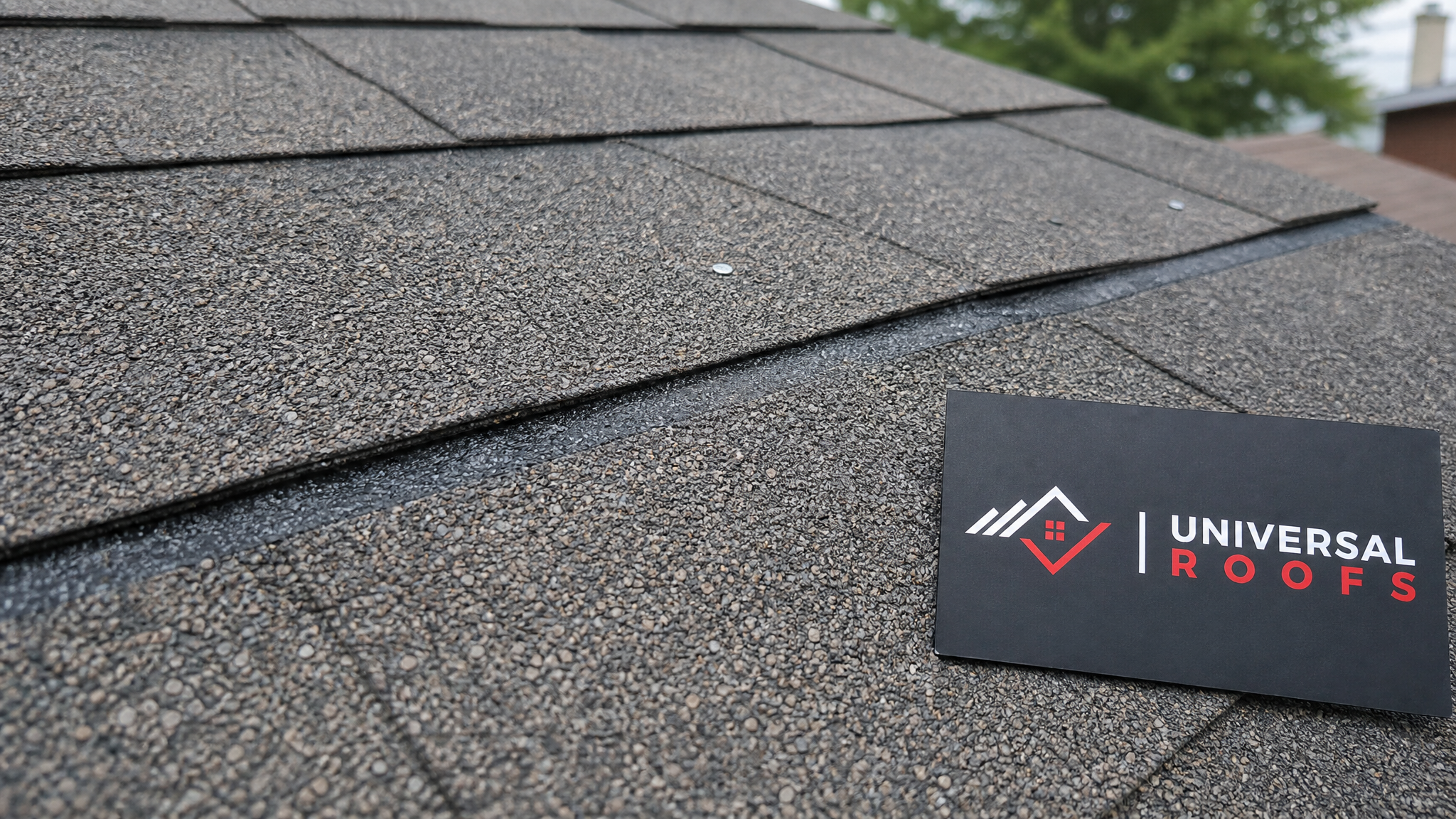
Nailing technique matters more than most homeowners realize. Each shingle has a manufacturer-specified nailing zone, usually a printed line just above the adhesive strip. Nails placed too high miss the layer below and don’t seal properly; nails placed too low can show through, causing rot and blow-off risk in high wind. Toronto’s freeze-thaw cycles compound the issue — nails that are slightly proud (not driven flush) will work themselves looser every winter as ice forms and thaws around the shank.
Finally, colour and profile matching matters more for resale value and curb appeal than most people expect. Shingles fade over 8-15 years depending on sun exposure, so a repair using shingles bought fresh off a shelf can look noticeably different from the surrounding roof for years. Experienced roof repair teams keep aged stock or know how to source close colour matches, and will tell you honestly when a perfect match isn’t possible.
How to Vet Local Shingle Repair Contractors Before You Sign Anything
The vetting process for a roofing repair contractor should take less time than the repair itself, but skipping it is where most bad experiences begin. Here is the order we recommend homeowners follow.
1. Confirm WSIB coverage and liability insurance. Ask for a certificate, not just a verbal assurance. If a worker is injured on your property and the company isn’t covered, you can be held liable. Any legitimate roofing company in Ontario can produce this within minutes.
2. Ask about manufacturer certification. Major shingle brands (GAF, IKO, Owens Corning, BP Canada) offer installer certification programmes. Certified installers typically qualify for extended workmanship warranties that non-certified contractors cannot offer, which matters if your repair involves a warranty claim on materials that are still within their manufacturer coverage period.
3. Read recent, verifiable reviews — not just star ratings. A 4.8-star average tells you little. Read the text of the three or four most recent reviews and look specifically for mentions of communication, cleanup, and whether the company returned for warranty issues. Our own customer reviews page is a useful example of the level of detail worth looking for elsewhere too.
4. Get the estimate in writing with a scope of work, not just a price. A one-line quote (“shingle repair — $650”) tells you nothing about what’s included. A proper estimate should specify the area being repaired, whether flashing will be inspected, what happens if rot is discovered in the decking, and the workmanship warranty term.
5. Ask what happens if they find additional damage. This is the single most revealing question you can ask an estimator. A reputable contractor will explain their change-order process (photos, a call before proceeding, a written change to the quote) rather than simply padding the invoice afterward.
| Vetting Step | What to Ask | Red Flag Answer | Why It Matters |
|---|---|---|---|
| Insurance & WSIB | “Can you send me a certificate today?” | “We’re covered, don’t worry about it” | Protects you from liability if someone is hurt on your roof |
| Manufacturer certification | “Are you certified with [shingle brand]?” | Vague or evasive answer | Affects warranty eligibility on materials |
| Written scope of work | “Can I get this in writing with the specific area and materials?” | Only a verbal quote or one-line invoice | Prevents scope disputes after work begins |
| Change order process | “What happens if you find rotten decking?” | “We’ll just fix it and bill you” | Protects against surprise costs |
| Workmanship warranty | “How long is your labour warranty?” | No warranty offered on labour | Signals confidence in their own work |
| Local presence | “How long have you served this specific neighbourhood?” | Out-of-town crew, no local address | Affects response time for follow-up issues |
What a Typical Shingle Repair Costs in the Toronto Area
Pricing for shingle repairs varies with the size of the damaged area, roof pitch, accessibility, and whether flashing or decking needs attention. The ranges below reflect what’s typical across Toronto, Mississauga, Brampton, Vaughan, Markham, Oakville, and surrounding municipalities as of mid-2026, though every roof is different and a proper inspection is the only way to get an exact number.
| Repair Type | Typical Size | Estimated Cost Range | Typical Turnaround |
|---|---|---|---|
| Spot shingle replacement (wind damage) | 1-6 shingles | $300 – $650 | Same day |
| Localized leak repair with flashing | 1-2 square metres | $550 – $1,200 | 1 day |
| Valley or chimney flashing repair | Single valley or chimney | $700 – $1,800 | 1-2 days |
| Larger section repair with decking check | 10-20 square metres | $1,500 – $3,500 | 2-3 days |
| Emergency tarp + follow-up repair | Varies | $400 – $900 (tarp) + repair cost | Same day tarp, repair within 1 week |
Homeowners are often surprised that a “small” repair can cross into four figures once flashing or rotten decking is involved. This is not upselling in a well-run company — it’s the nature of water damage, which travels sideways and downward far beyond the visible entry point. If a contractor quotes a suspiciously low flat rate before ever inspecting the roof, treat that as a caution flag rather than a bargain.
Repair vs. Full Replacement: Knowing Which One You Actually Need
Not every damaged shingle roof needs a full roof replacement. The decision usually comes down to the age of the roof, the extent of the damage, and whether the damage is isolated or systemic (i.e., affecting the whole roof rather than one section).
As a general rule of thumb: if your roof is under 12 years old, the damage is confined to a small area, and the rest of the shingles are still flat and granule-covered, a targeted repair is almost always the right call. If your roof is past 18-20 years old, showing widespread curling or granule loss across multiple slopes, or you’re facing repeat repairs in different spots each year, that’s a strong signal the underlying material has reached the end of its service life and a repair is only delaying an inevitable replacement.
| Situation | Repair Recommended | Replacement Recommended |
|---|---|---|
| Roof age | Under 12 years | Over 18-20 years |
| Damage extent | Isolated to one area or slope | Spread across multiple slopes |
| Granule loss | Minimal, localized | Widespread, visible in gutters |
| Repair history | First or second repair | Third+ repair in under 3 years |
| Decking condition | Solid, no rot found | Soft spots or rot in multiple areas |
If you’re unsure which category your roof falls into, an honest contractor will tell you plainly rather than steering you toward the more expensive option by default. This is exactly the kind of judgment call worth asking about directly during your estimate.
Seasonal Timing: Why Summer Is a Practical Window for Shingle Repairs
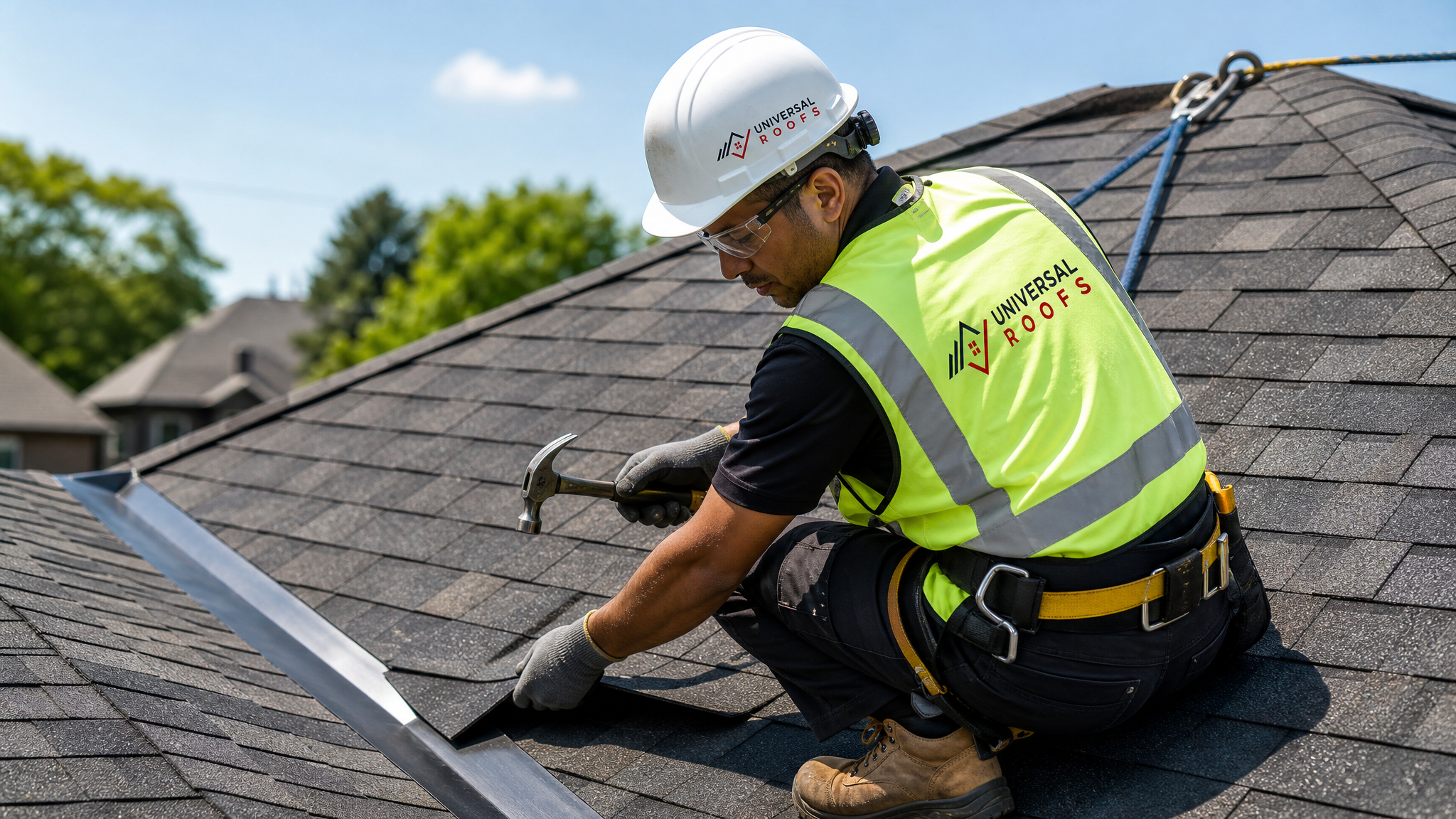
July and August offer some of the most favourable conditions for shingle repair work in the GTA. Asphalt shingles seal properly through thermal bonding, meaning the adhesive strip needs enough ambient warmth to bond the new shingle to the one beneath it. In cold months, contractors sometimes need to hand-seal each tab with roofing cement as a workaround, which is an acceptable technique but adds labour and isn’t quite as durable as a natural summer seal.
Summer also means longer daylight hours and more predictable weather windows, which reduces the chance of a job being interrupted partway through and left exposed overnight. That said, extreme heat has its own consideration — shingles become more pliable in high heat, which actually makes them easier to work with but also more prone to scuffing or granule displacement if walked on carelessly, which is one more reason experience matters when picking a crew for peak-summer repairs.
If your roof also has skylights, summer is a sensible time to have those inspected simultaneously, since flashing around skylights is one of the most common leak points on an otherwise sound shingle roof. Bundling a skylight check with a shingle repair often saves a second site visit and labour charge later.
Troubleshooting Common Shingle Problems Before You Call
Understanding what you’re looking at helps you describe the problem accurately when requesting quotes, which in turn gets you more accurate estimates over the phone or by email.
| What You See | Likely Cause | Urgency | Typical Fix |
|---|---|---|---|
| Curling or cupping shingle edges | Age, heat cycling, ventilation issues | Moderate — monitor, plan repair | Spot replacement; check attic ventilation |
| Missing shingles after wind event | Wind uplift, poor original nailing | High — exposed decking | Same-day tarp if raining, then spot replacement |
| Granules collecting in gutters | Normal aging or hail impact | Low to moderate | Inspection to determine if isolated or roof-wide |
| Dark streaks or stains on ceiling | Active or historical leak, often flashing-related | High — investigate immediately | Locate source, repair flashing and shingles together |
| Cracked shingles near chimney or vents | Flashing failure, foot traffic damage | Moderate to high | Flashing repair combined with shingle replacement |
| Algae streaking (dark green-black) | Biological growth, common on north-facing slopes | Low — cosmetic, but can shorten shingle life | Cleaning or algae-resistant shingle upgrade |
What to Expect on Repair Day: A Realistic Walkthrough
Knowing the sequence of a professional repair helps you evaluate whether the crew on your roof is following a proper process or cutting corners.
A typical visit begins with a walk-around inspection from the ground and, where safe, a closer inspection from a ladder or the roof itself, confirming the scope matches what was quoted. The crew then sets up fall protection — a genuine safety-conscious contractor never skips harnesses and anchor points, even for a repair that looks minor from the ground. Existing damaged shingles are carefully removed along with any surrounding shingles whose seal has been broken in the removal process, since re-using a shingle that’s lost its adhesive bond just invites a repeat failure.
Next comes the inspection of the underlayment and decking beneath the removed shingles. This is the step some corner-cutting contractors skip entirely, simply nailing new shingles over a potentially compromised deck. A thorough crew will photograph any rot or soft spots they find and discuss it with you before proceeding, since replacing decking is additional work beyond the original shingle-only quote.
Flashing is inspected next if the repair is near a valley, chimney, vent stack, or skylight. New shingles are then installed following the manufacturer’s nailing pattern, and the repaired area is checked for a clean, weather-tight seal along all edges. Debris — old shingles, nails, wrappers — should be cleared from the property, including a magnetic sweep of the lawn and driveway for stray nails, which is a simple courtesy that says a lot about a company’s overall professionalism.
Questions to Ask Every Contractor Before You Book
Beyond the vetting checklist above, a short list of direct questions during the quoting call will tell you almost everything you need to know about how a company operates.
Ask how they handle matching shingle colour and profile to your existing roof, since this affects both appearance and how well the new shingles integrate structurally with the old ones. Ask whether they inspect attic ventilation as part of a shingle repair — poor ventilation accelerates shingle aging from underneath and is often the real root cause behind “premature” curling that a homeowner assumes is a manufacturing defect. Ask for their labour warranty length in writing, and ask what their process is if the repair fails within that period.
It’s also worth asking directly which neighbourhoods and municipalities they serve regularly. A contractor with genuine, ongoing presence across Toronto, the Peel Region, York Region, Halton Region, and Durham Region is more likely to have crews and materials readily available for follow-up visits than a company that only occasionally works in your area.
Beyond Shingles: When a Repair Reveals a Bigger Issue
Sometimes a shingle repair uncovers a problem that has nothing to do with the shingles themselves. Poor attic ventilation, for instance, can cause ice damming in winter that lifts shingles from underneath, a pattern that will keep recurring no matter how many times the visible shingles are replaced unless the ventilation issue is corrected. A qualified contractor should flag this rather than simply repeating the same repair year after year — our attic ventilation services exist specifically because so many “recurring shingle leaks” trace back to trapped heat and moisture rather than the shingles themselves.
Similarly, if your home has a section of low-slope or flat roofing adjoining the main shingled roof — common over additions, garages, and porch roofs — leaks at that transition point are sometimes misdiagnosed as shingle problems when the actual failure is in the membrane below. Our flat roofing team handles that specific intersection regularly, and a contractor who only does steep-slope shingle work may not catch it.
And if your repair estimate reveals that a skylight’s flashing has failed rather than the surrounding shingles, that’s a distinct scope of work; our skylight replacement page outlines what that process involves separately from a standard shingle repair.
Making Your Final Decision
Choosing among local shingle repair contractors for roof repairs ultimately comes down to trust built on verifiable specifics: insurance you’ve actually seen, a written scope you understand, a warranty with real terms, and reviews that describe real experiences rather than generic praise. Price matters, but the cheapest quote on a shingle repair is rarely the cheapest outcome once you account for callbacks, water damage, and redone work.
Take the time to ask the questions outlined above, compare at least two or three written estimates, and choose the company whose answers were the most specific — not the most reassuring in tone. A contractor who explains exactly what they’ll do, what they might find, and what happens next earns your trust the honest way. You can read more about our approach and history on our about page, and our FAQ page answers many of the specific pricing and process questions homeowners ask before booking.
How do I find reliable local shingle repair contractors for roof repairs?
What does a typical shingle repair cost in the Toronto area?
How long does a professional shingle repair take?
Should I repair my shingles or replace the whole roof?
Is summer a good time to schedule shingle repairs in Toronto?
What should be included in a written shingle repair quote?
Need Help With Top Local Shingle Repair?
If you’re comparing local shingle repair contractors for roof repairs in Toronto, Mississauga, Brampton, Vaughan, Markham, Oakville, or anywhere across the GTA, Universal Roofs has spent two decades building the kind of track record described throughout this guide — verifiable insurance, written scopes, honest repair-versus-replace assessments, and real warranty terms.
Call us today at (416) 732-2421 or request a free inspection to get started.
Universal Roofs proudly serves Toronto, Mississauga, Brampton, Vaughan, Markham, Oakville and the GTA since 2005.