
Do you need a permit to replace a roof in Ontario? For most homeowners replacing worn asphalt shingles with new asphalt shingles, the answer is usually no. But “usually” is doing a lot of work in that sentence. Once a roof job touches the structure, changes the shape of the roof, adds a skylight or dormer, or involves a heritage property or a condominium, the rules change, and they are set and enforced locally by each municipality.
None of what follows is legal advice. Permit requirements are administered by your municipality’s building department under the Ontario Building Code, and the only reliable answer for your house comes from them. What we can describe are the general patterns: the work that usually goes ahead without a permit, the work that commonly needs one, and where heritage and condo rules add a layer.
Do You Need A Permit To Replace A Roof? The Short Answer
Across Ontario, building permits exist to make sure construction meets the Ontario Building Code, the zoning bylaw and other applicable law. Permits are generally aimed at construction, demolition, structural alteration and changes of use. Ordinary repair and maintenance that does not alter the structure is often outside that scope.
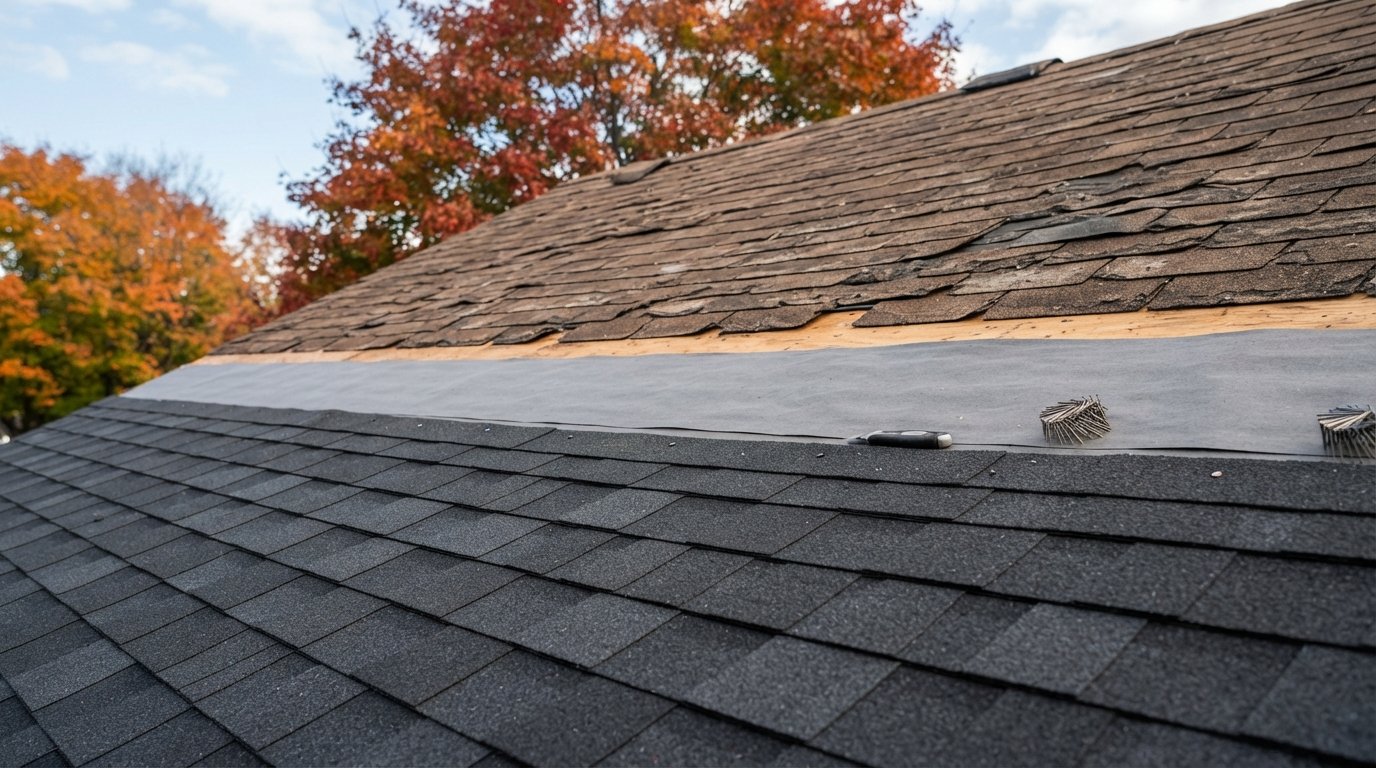
Reroofing with the same type of material, on the same structure, typically falls into the maintenance category. Many Ontario municipalities state on their building department pages that replacing shingles with similar shingles, without structural work, does not need a permit. Others phrase their rules differently or list specific exceptions, So, do you need a permit to replace a roof that only needs new shingles? Probably not, but confirm with your local building department before work begins.
If you are planning a full tear-off and new roof and want to understand the scope from deck to ridge, our roof replacement services page outlines how the work is planned and carried out.
What “like for like” usually means
- The same general type of roofing, for example asphalt shingles replaced with asphalt shingles.
- No change to the rafters, trusses, roof slope or roof height.
- No new openings in the roof structure.
- No significant increase in the weight the structure has to carry.
- Replacement of damaged sheathing boards or panels in kind, as normal repair.
The further a project moves from that list, the more likely a permit becomes.
Flat roofs follow the same logic
Do you need a permit to replace a roof covering on a flat or low-slope roof? The logic is the same. Replacing a worn membrane with a new membrane on the same structure is generally treated as repair. Changes that alter the structure, add significant weight, create a walkable rooftop deck or raise the roof assembly enough to affect parapets, guards or drainage can bring the project under permit rules. Our flat roofing work begins by documenting the existing structure so those questions can be answered early.
Roofing Work That Commonly Needs A Permit
Do you need a permit to replace a roof when the job goes beyond reshingling? Often, yes. These are the categories most likely to trigger a building permit, though each municipality decides how its rules apply.
Structural changes
Replacing, cutting, sistering or re-engineering rafters or trusses, changing the pitch of the roof, raising the roof line or converting a flat roof to a sloped one are structural alterations. They typically require drawings, and in some cases design by a qualified designer or engineer, so the building department can review loads and connections.
New dormers and additions
A dormer adds floor area or headroom, changes the roof structure and often affects zoning items such as height and setbacks. Dormers and roof additions almost always need a building permit, and sometimes a minor variance as well.
Skylights and roof openings
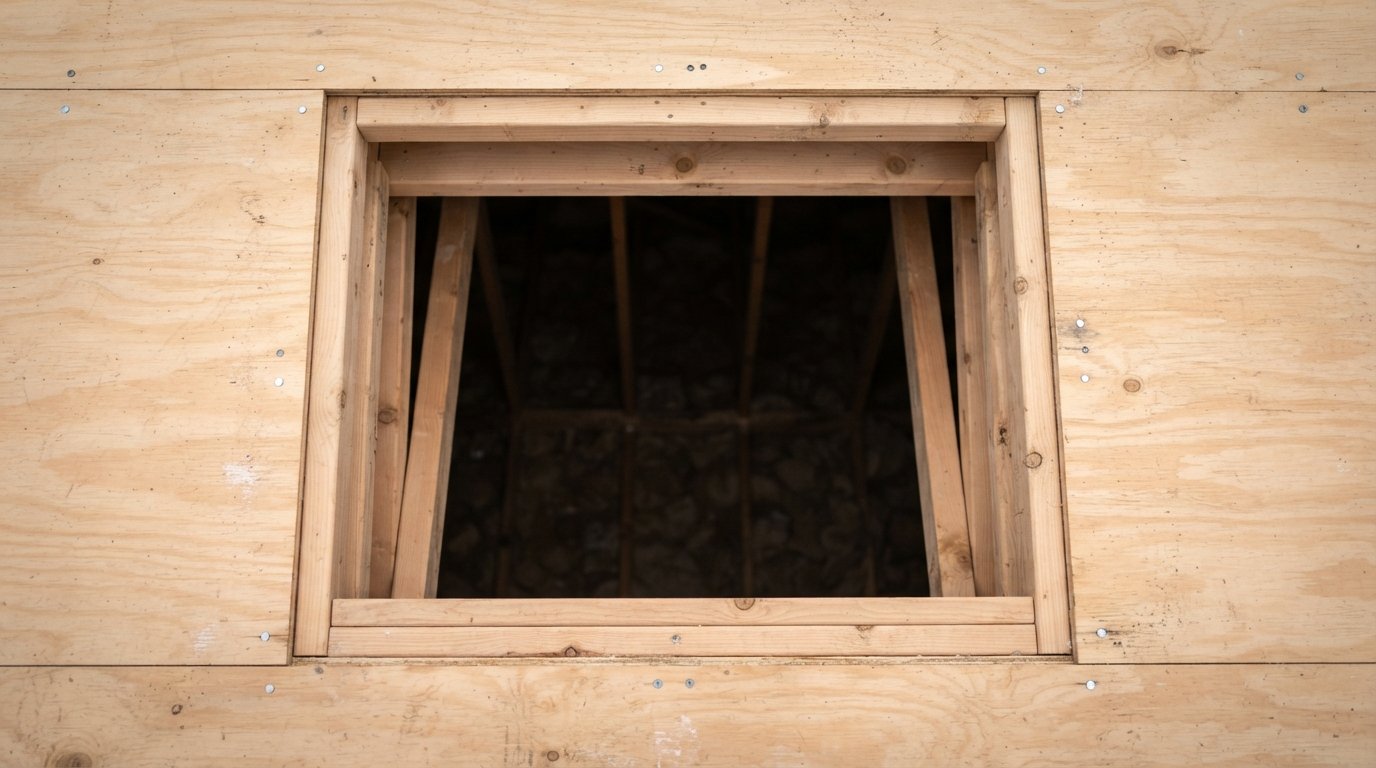
Replacing an existing skylight with one of the same size in the same opening is often treated as maintenance. Cutting a new opening, or enlarging an existing one so that rafters or trusses have to be cut and headered, is a structural change and commonly needs a permit. If you are considering new skylights, our skylight installation and replacement work starts with checking the framing and what the municipality will require.
Heavier roofing materials
Switching from asphalt shingles to a much heavier material, such as clay or concrete tile or natural slate, can exceed what the original framing was designed to carry. A permit and structural review are commonly needed, and the structure may need reinforcement first.
Decking changes and other items
Replacing a few damaged sheathing panels is normal repair. Larger changes, such as altering the structural deck on a flat roof, adding a rooftop deck or terrace, or installing rooftop equipment that adds load, can bring a project under permit rules. Solar panel installations also have their own municipal requirements in many places, and electrical work associated with them falls under the Electrical Safety Authority.
| Type of roofing work | Permit usually needed? | Why it matters |
|---|---|---|
| Reshingling with similar asphalt shingles | Usually not, confirm locally | Treated as repair and maintenance in many municipalities |
| Replacing damaged sheathing panels in kind | Usually not, confirm locally | Normal repair with no structural change |
| Same-size skylight in an existing opening | Often not, confirm locally | No new structural opening |
| New or enlarged skylight opening | Commonly yes | Rafters or trusses are cut and reframed |
| Adding a dormer or raising the roof | Almost always yes | Structural change, often zoning implications |
| Changing to tile, slate or another heavy material | Commonly yes | Added load on the framing needs review |
| Rafter or truss repair or replacement | Commonly yes | Structural members are altered |
| Rooftop deck or terrace | Almost always yes | Structure, guards, access and zoning |
This table is a general guide only. Your municipality’s rules govern, and some apply stricter or more specific conditions than others.
Heritage Properties And Heritage Districts
A building permit is not the only approval that can apply to a roof. If your house is designated under the Ontario Heritage Act, either individually or as part of a heritage conservation district, alterations to the exterior may need heritage approval from the municipality, even where no building permit is required.
On a designated home, ask two questions rather than one: do you need a permit to replace a roof, and do you need heritage approval to change how it looks? Roofs are often considered part of a heritage property’s character. Changing the material, colour, profile or shape of a roof, removing original slate or wood shingles, or altering dormers, cornices, chimneys or decorative trim may require review by the municipality’s heritage planning staff. Some districts have guidelines that favour particular materials or profiles. Like-for-like repair with matching materials is often treated more simply than a change of material, but that is for the municipality to confirm.
Practical steps for owners of older homes:
- Check whether your property is designated or within a heritage conservation district. Municipalities maintain heritage registers, and listing on a register is different from designation.
- Contact heritage planning staff before choosing materials if the property is designated or in a district.
- Allow extra time in your schedule for review where approval is needed.
- Keep photos of the existing roof and details before work starts.
Condominiums, Townhouses And Shared Roofs
If you own a condominium unit, including many townhouse condominiums, the roof is often part of the common elements. In that case, roofing decisions, contractor selection and timing typically belong to the condominium corporation and its board, not the individual owner. The corporation’s declaration, bylaws and rules set out who is responsible for what, and they vary from one corporation to another.
For condo owners, the more useful question is not “do you need a permit to replace a roof” but “who gets to decide?”, and the answer is usually the corporation. Before arranging any roofing work as a condo owner:
- Read your declaration and any rules on exterior alterations and maintenance.
- Contact the property manager or board to confirm who is responsible for the roof.
- Get written approval before any work if the roof is not entirely your responsibility.
Freehold semi-detached homes and townhouses that share a continuous roof with neighbours present a different issue. Even if no permit is needed, the roofing at the shared line has to be tied in properly, and it is wise to talk with your neighbour before work starts. Some freehold townhouse developments also have shared-element arrangements with their own rules. A lawyer can explain how your particular agreement or declaration applies.
Other Approvals And Rules That Often Come Up
Even on a straightforward reshingle where no building permit is needed, other approvals and rules can still apply. These catch many homeowners by surprise.
| Situation | Who to ask | What to confirm |
|---|---|---|
| Any roof work beyond reshingling | Municipal building department | Whether a building permit is required and what drawings are needed |
| Designated property or heritage district | Municipal heritage planning staff | Whether heritage approval is needed for material or design changes |
| Condo or shared-element townhouse | Condominium board or property manager | Who is responsible and what approval is required |
| Waste bin placed on the street or boulevard | Municipal transportation or right-of-way office | Whether a permit is needed to place a bin on public property |
| Roof heating cables, rooftop electrical or solar wiring | Electrical Safety Authority and a licensed electrical contractor | Notification and inspection requirements for the electrical work |
| Suspected asbestos in older roofing or flashing materials | A licensed asbestos testing and abatement firm | Testing before disturbance and the required removal procedures |
Waste bins on the street
A tear-off produces a lot of debris. If the bin will sit on your driveway, there is usually no issue. If it needs to go on the road or boulevard, many municipalities require a permit to place it on public property. Your contractor should know the local process, but confirm who is applying.
Older roofing materials
Some older roofing products, flashing compounds and cement-based shingles may contain asbestos. Ontario has specific rules for handling asbestos in construction, and suspected material should be tested by a qualified firm before it is disturbed.
Worker safety
Roofing work in Ontario is subject to occupational health and safety rules, including fall protection. These apply to the contractor rather than to the permit, but they are a good reason to hire a contractor who plans and documents safe work at height.
What Happens If A Required Permit Is Skipped
When a permit is required and the work proceeds without one, the municipality can issue orders to stop work, open up finished work for inspection or correct it. Unpermitted structural work can also surface during a home sale, when a buyer’s lawyer or inspector asks for permit records. Insurers may ask questions after a claim if structural changes were made without approval. None of these outcomes is certain, but the risk sits with the property owner.
That is why it pays to ask the building department “do you need a permit to replace a roof like mine?” before the first shingle comes off. Responsibility for obtaining a permit generally rests with the owner, although contractors often apply on the owner’s behalf. Get clarity in writing about who is responsible before work starts.
How To Check Before Your Project Starts
- Describe the full scope. List everything planned: material, any structural repairs, skylights, vents, chimney work and rooftop equipment.
- Check your municipality’s building permit pages. Many list common projects that do and do not need permits, including reroofing.
- Call or email the building department. Describe the work and ask directly: do you need a permit to replace a roof with this scope? Keep a note of the answer, the date and who you spoke with.
- Check heritage status and condo documents if either could apply.
- Plan for surprises. If rot or damaged framing is found after tear-off and structural repair becomes necessary, the permit answer for your project may change. Agree with your contractor in advance how that will be handled.
When you contact the building department, having the right details ready makes the answer faster and more reliable.
| Detail to have ready | Why staff may ask | Example |
|---|---|---|
| Property address and building type | Zoning, heritage status and the applicable rules depend on the property | Detached house, semi, townhouse or condo unit |
| Existing and proposed roofing material | Material changes can affect structural loads | Asphalt shingles to asphalt shingles, or asphalt to slate |
| Any structural work planned | Structural alterations commonly need drawings and review | Rafter repairs, raising the roof, a new dormer |
| New or enlarged openings | Cutting framing changes how loads are carried | A new skylight or a larger vent opening |
| Rooftop equipment or decks | Added load, guards and zoning may apply | Solar panels, mechanical units, a rooftop terrace |
A contractor who works in your area regularly will know how the local building department typically handles reroofing and can help you prepare the right questions. A site visit from our Toronto roofing, eavestroughs and attic work team ends with a written scope you can take to the building department if there is any doubt.
Roofing Permit Questions
Is a permit required to reshingle a house in Ontario?
Does adding a skylight need a permit?
What if rot is found after the old roof comes off?
Do heritage homes need approval for a new roof?
Can a condo owner replace their own roof?
Who is responsible for getting the permit?
Still Wondering: Do You Need A Permit To Replace A Roof?
We can review your roof, explain whether the planned work is a straightforward reroof or involves structural changes, and give you a clear written scope to check with your building department. Universal Roofs handles full replacements, skylights and roof repairs across the GTA.
Call us today at (416) 732-2421 or request a free estimate.
Roof replacements and clear written scopes in Toronto and throughout the GTA.