
When homeowners think about renovations that pay for themselves, kitchens and bathrooms usually come to mind first. But few upgrades move the needle on resale value, curb appeal, and buyer confidence as reliably as a new roof. If you’re planning to sell in the next year or two, or simply want to protect the equity you’ve built in your Toronto-area home, understanding how to boost your home value with a new roof is one of the most practical pieces of homeowner knowledge you can have.
A roof is the single largest surface area on most homes, and it’s the first thing a buyer, an appraiser, or a home inspector notices. An aging, patched, or visibly worn roof signals deferred maintenance and invites lowball offers or inspection-driven price reductions. A new, well-installed roof does the opposite: it tells a buyer the home has been cared for, it removes a major line item from their to-do list, and it often becomes a genuine selling point in listing photos and descriptions.
This guide walks through exactly how a new roof affects home value in the Greater Toronto Area, what return on investment homeowners typically see, which materials and details matter most to appraisers and buyers, and how to plan a roof replacement so it maximizes value rather than simply meeting a minimum standard. We’ll also cover the GTA-specific factors — freeze-thaw cycles, ice damming, municipal permitting, and local buyer expectations — that shape how much a new roof is actually worth here.
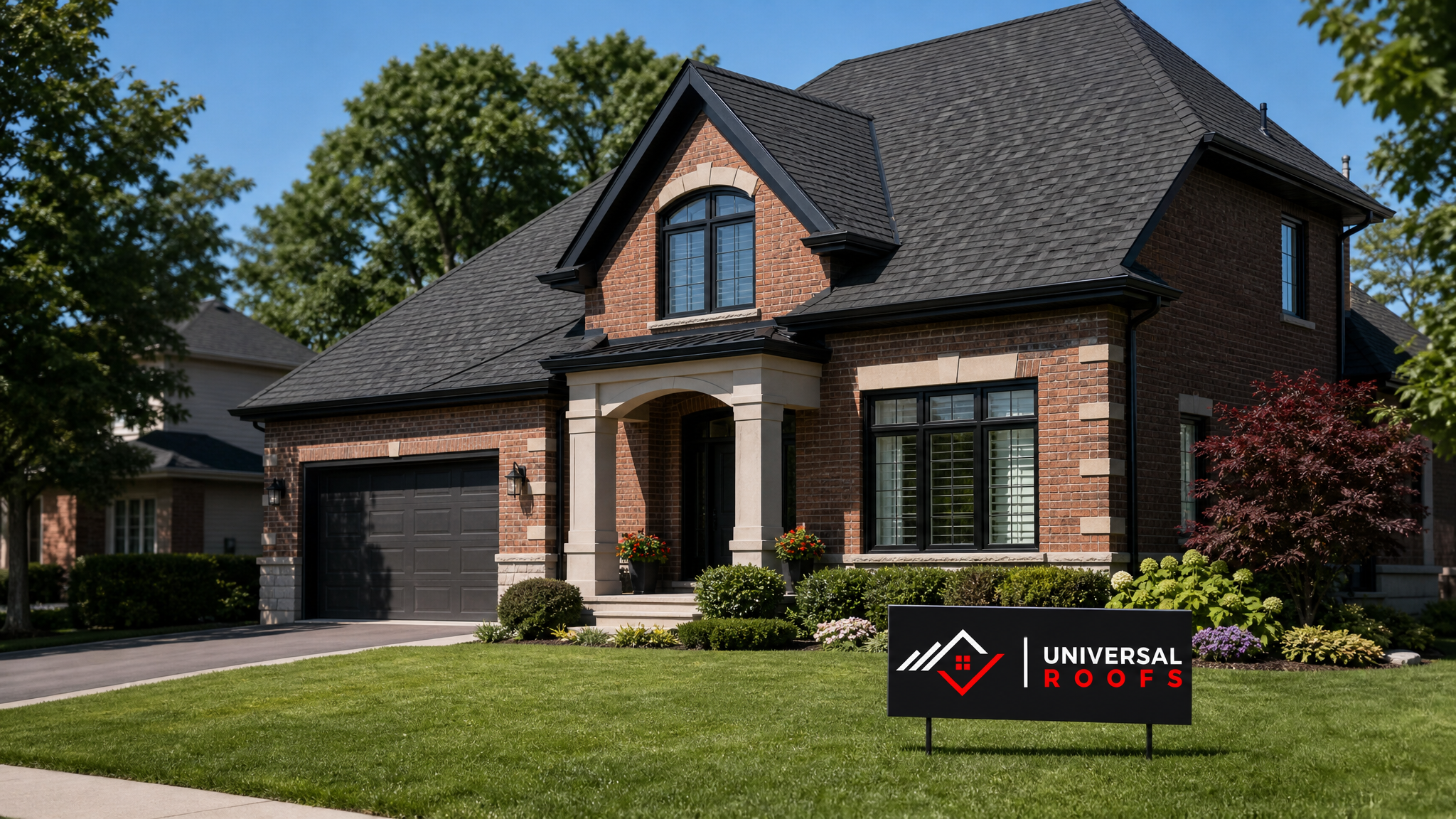
Why a New Roof Has an Outsized Effect on Home Value
Real estate appraisers and real estate agents consistently rank roof condition among the top three factors buyers scrutinize, alongside the furnace and the foundation. Unlike cosmetic upgrades, a roof is a structural and protective system — if it fails, it damages everything beneath it, from insulation to drywall to hardwood floors. Buyers know this, which is why lenders and insurers often require roof age disclosures and why many purchase offers in the GTA include a roof-specific inspection clause.
The value impact comes from three overlapping effects. First, there’s the direct cost-avoidance effect: a buyer who sees a 20-year-old roof mentally subtracts $12,000 to $20,000 from their offer to cover an eventual replacement, whether or not they say so out loud. Second, there’s the risk-removal effect: an older roof raises questions about hidden water damage, mould, or attic ventilation problems, which makes buyers nervous and slows down negotiations. Third, there’s the aesthetic and confidence effect: a crisp, uniform new roof photographs well, frames the whole house, and reads as “move-in ready,” which shortens the time a home sits on the market.
According to remodeling value studies consistently cited across North America, a full asphalt shingle roof replacement recoups roughly 60 to 70 percent of its cost at resale in a typical market, and that figure rises significantly in competitive markets like Toronto, Mississauga, and Vaughan, where buyers are comparing multiple similar listings and a roof in poor condition can be the deciding factor that pushes them toward a competing property. In some GTA neighbourhoods where bidding wars remain common, agents report that a new roof can be the difference between a home selling at or above asking versus sitting on the market with price reductions.
How Much Value Does a New Roof Actually Add in the GTA
The honest answer is that value added depends on the starting condition of the old roof, the material and quality of the new one, and the price point of the neighbourhoods. A $9,000 to $14,000 asphalt shingle replacement on a typical GTA detached home tends to add proportionally more perceived value than the dollar cost, because it removes a red flag rather than adding a luxury feature. Below is a general comparison of how different roofing investments tend to perform in terms of value recovery, based on regional remodeling cost-value data and feedback from real estate professionals across Toronto, Peel, York, Halton, and Durham.
| Roofing Investment | Typical GTA Cost Range | Estimated Value Recovery | Best For |
|---|---|---|---|
| Asphalt shingle full replacement | $9,000 – $16,000 | 60% – 70% | Most detached and semi-detached homes |
| Premium/architectural shingles | $14,000 – $22,000 | 55% – 65% | Homes in higher-end neighbourhoods |
| Metal roofing system | $20,000 – $35,000 | 50% – 60% | Long-term owners, energy-conscious buyers |
| Flat/low-slope membrane (additions, garages) | $6,000 – $14,000 | 50% – 65% | Additions, rear extensions, garages |
| Partial repair/patch only | $800 – $3,500 | 20% – 35% | Short-term hold, minor localized damage |
Notice that a full roof replacement consistently outperforms partial patch work in terms of value recovery, even though the upfront cost is higher. That’s because buyers and appraisers give little credit for a “patched” roof — it still reads as an older roof with a repair, not a new asset. If your roof is beyond a single isolated issue, a full roof repair assessment can help determine whether targeted repair or full replacement makes more financial sense before you list.
Signs Your Roof Is Actively Hurting Your Home’s Value
Not every roof needs full replacement to boost value — sometimes strategic repairs or maintenance are enough. But certain signs tell buyers and inspectors that a roof is a liability rather than an asset. Recognizing these early lets you decide whether repair or replacement is the better financial move before you’re negotiating with a buyer’s inspector holding a report against you.
Curling, cupping, or missing shingles are the most visible red flags and the ones buyers notice from the street before they even walk up the driveway. Granule loss in the eavestroughs or on the ground below the roofline signals shingles nearing the end of their lifespan. Visible sagging along the ridge or across a roof plane suggests structural or decking issues that go well beyond a cosmetic problem. Moss or algae streaking, especially on north-facing slopes common in shaded Toronto lots, points to moisture retention that will shorten remaining roof life. Interior signs matter just as much: water stains on ceilings, musty odours in the attic, or visible daylight through the roof deck are the kind of findings that stop a sale cold until addressed.
Ice damming is a particularly GTA-specific concern. Our winters produce repeated freeze-thaw cycles that push meltwater back under shingles at the eaves, and homes with poor attic insulation or ventilation show recurring ice dams year after year. Buyers who see icicle staining or damaged soffits from a previous winter will ask pointed questions, and appraisers may note it as a deferred maintenance item. Addressing attic ventilation alongside a roof replacement — worth reviewing with our attic ventilation services — solves the ice damming problem at its source rather than just replacing the shingles that keep getting damaged by it.
Choosing Roofing Materials That Maximize Resale Value
Material choice affects both cost and perceived value, and the right choice depends on your home’s price point, architectural style, and how long you plan to stay before selling. In the GTA, asphalt shingles remain the default for most detached and semi-detached homes because they balance cost, appearance, and buyer familiarity — appraisers and buyers alike expect to see them and don’t penalize a home for using a standard material. However, upgrading within the shingle category, or choosing a different material entirely, can shift how a roof is perceived.
| Material | Lifespan | Buyer Perception | GTA Climate Performance |
|---|---|---|---|
| 3-tab asphalt shingles | 15 – 20 years | Neutral to slightly dated | Adequate; higher wind-lift risk |
| Architectural/laminate shingles | 25 – 30 years | Strong positive; modern look | Good wind resistance, strong ice-and-water performance |
| Standing seam metal | 40 – 60 years | Premium, energy-conscious buyers respond well | Excellent snow shedding, long-term value |
| Modified bitumen/TPO (flat sections) | 20 – 25 years | Neutral; expected on additions/garages | Reliable if properly detailed for ponding |
For homes with a flat or low-slope section — common on additions, rear extensions, or garage roofs across older Toronto neighbourhoods — buyers and inspectors pay close attention to flat roofing condition specifically, since these systems have a shorter service life and are more prone to ponding water if not sloped and detailed correctly. A well-installed flat roof section, properly integrated with the sloped roof above it, removes one of the more common points of buyer hesitation during a home inspection.
Colour also matters more than most homeowners expect. Neutral, architecturally appropriate shingle colours (charcoal, weathered wood, driftwood grey) tend to appeal to the widest range of buyers and photograph well for listings, while unusual or highly saturated colours can actually narrow your buyer pool in a resale scenario, even if the material quality is identical.
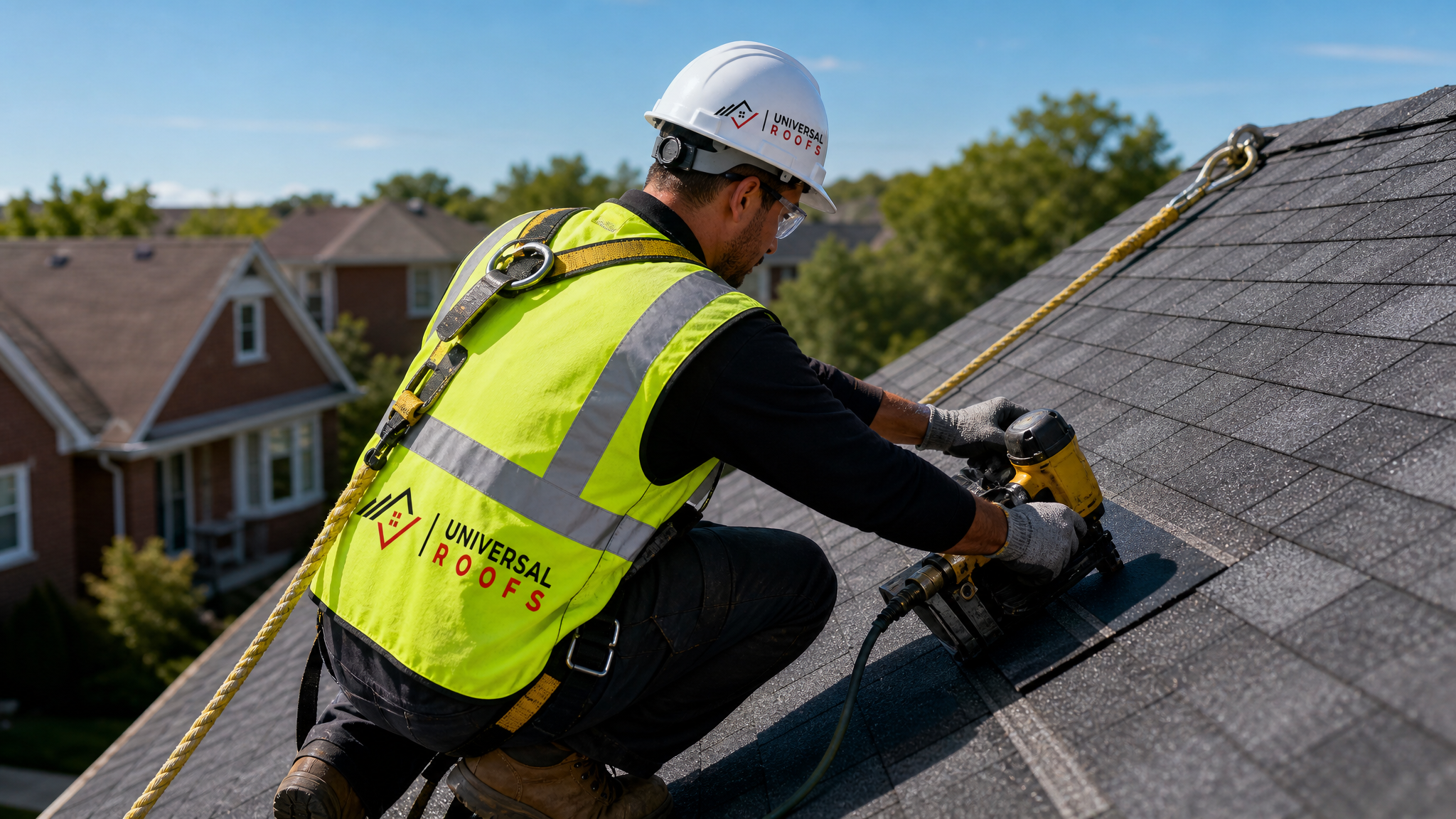
The Role of Skylights, Attic Insulation, and Ventilation in Home Value
A roof replacement is also the ideal moment to address related systems that buyers and appraisers increasingly evaluate as part of overall roof health. Natural light and energy efficiency are two features that consistently show up in buyer feedback and listing descriptions, and both connect directly back to your roof.
Well-placed skylights add natural light to kitchens, stairwells, and upper-floor bathrooms, and they’re one of the few upgrades buyers notice immediately during a showing. If your home already has skylights that are original to the house, an ageing unit with fogged glazing or a history of leaks around the flashing will do more harm than good to a sale — in that case, skylight replacement alongside the roof work ensures the flashing integrates properly with the new roofing membrane rather than being retrofitted around old, mismatched materials.
Attic insulation and ventilation are less visible but directly affect two things buyers and inspectors check: energy bills and ice damming. A roof replacement without addressing inadequate attic ventilation is a missed opportunity, since proper soffit and ridge ventilation extends shingle life, reduces summer cooling loads, and prevents the freeze-thaw ice dam cycle that damages both the roof and interior ceilings. Homes with documented attic upgrades alongside a new roof tend to present better in energy audits, which is increasingly something buyers ask about, particularly with home energy rating programmes gaining traction across Ontario.
Timing Your Roof Replacement for Maximum Resale Impact
When you replace your roof matters almost as much as whether you replace it. Homeowners planning to sell within the next 12 to 24 months get the most value benefit from doing the work well before listing, since a freshly completed roof photographs better, avoids last-minute negotiation leverage for buyers, and gives you time to obtain the workmanship warranty documentation buyers’ lawyers often request during closing.
Late spring through early autumn is the ideal installation window in the GTA, since shingle adhesive seals properly in warmer temperatures and crews can work efficient, full days without weather delays. Summer specifically, like now, is prime roofing season across Toronto, Mississauga, Brampton, Vaughan, Markham, and Oakville, which also means scheduling ahead matters if you’re targeting a fall listing.
| Timeline Before Listing | Recommended Action | Value Impact | Notes |
|---|---|---|---|
| 12+ months out | Full inspection, plan replacement if needed | Highest — full warranty history available | Best for maximizing negotiation position |
| 3 – 6 months out | Replace or repair based on inspection findings | High — fresh roof, documentation ready | Still allows landscaping/other prep time |
| 4 – 8 weeks out | Prioritize replacement over cosmetic upgrades | Moderate-high — roof still reads as new | Book installers early; summer is busy season |
| Under 2 weeks out | Address only urgent leaks/safety issues | Lower — limited time for full project | Consider disclosing planned work with quote instead |
If you’re not planning to sell soon but want to protect long-term value, replacing a roof nearing the end of its practical lifespan — generally 18 to 20 years for standard asphalt shingles in our climate — before it starts leaking avoids the compounding damage that turns a roofing job into a roofing-plus-drywall-plus-insulation job.
Documentation, Warranties, and Permits That Protect Your Investment
A new roof only boosts home value if you can prove it was done properly. Buyers’ real estate lawyers in Ontario routinely request documentation during due diligence, and missing paperwork can stall or derail a closing even when the physical work is excellent. Keep the following on hand from day one of the project.
| Document | Why It Matters to Buyers | When to Request It | Who Provides It |
|---|---|---|---|
| Manufacturer’s material warranty | Transfers coverage on shingles/underlayment to new owner | At project completion | Roofing contractor |
| Workmanship warranty | Covers installation defects separate from material defects | At project completion | Roofing contractor |
| Municipal permit (if required) | Confirms work meets Ontario Building Code | Before work begins | Local municipality |
| Detailed invoice/scope of work | Shows exactly what was replaced and when | At project completion | Roofing contractor |
| Before/after photos | Useful for listing marketing and insurance records | Throughout project | Roofing contractor or homeowner |
Most straightforward like-for-like shingle replacements don’t require a permit in Toronto and surrounding municipalities, but structural changes, added skylights, or full deck replacement often do. A reputable contractor will tell you upfront whether your specific project triggers a permit requirement rather than leaving you to find out during a home inspection. Reading verified reviews from other GTA homeowners is one of the fastest ways to confirm a contractor handles this kind of documentation properly before you commit.
Common Mistakes That Undercut Your Roof’s Value Boost
Even a technically sound roof replacement can fail to deliver its full value potential if a few common mistakes creep into the project. Understanding these ahead of time helps you get the return you’re expecting rather than an unpleasant surprise during negotiations.
Choosing the cheapest quote without verifying licence, insurance, and workmanship warranty terms is the single most common mistake. A roof installed with shortcuts on underlayment, flashing, or ventilation may look identical to a properly installed one on move-in day but will show problems within two to three years — exactly the window when many GTA homes change hands. Skipping proper flashing details around chimneys, skylights, and roof-to-wall transitions is another frequent issue; these are the areas where leaks originate most often, and inspectors know to check them closely.
Ignoring attic ventilation while replacing only the shingles is a missed opportunity that leaves the ice damming problem unresolved, which can show up again the very next winter and raise questions about whether the “new roof” was done properly at all. Mismatched materials — for example, patching only the section visible from the street while leaving an older, mismatched rear slope — can actually hurt value more than doing nothing, since it signals a cosmetic rather than functional fix to anyone who inspects closely. Finally, failing to keep documentation means you’re relying on the buyer simply trusting your word about a project’s age and scope, which rarely works in your favour during negotiations.
Working With the Right Contractor to Protect Your Value Investment
The single biggest variable in whether a new roof actually boosts your home’s value is the quality of the installation and the reputation of the company behind it. A well-established, licensed roofing company with a strong local track record across Toronto, Peel Region, York Region, Halton Region, and Durham Region gives buyers and their lawyers confidence that the work meets code and will hold up.
When evaluating contractors, ask specifically about their workmanship warranty length, their approach to ventilation and flashing details (not just shingle brand), and whether they provide the kind of documentation package outlined above without being asked. Check their standing with the Better Business Bureau, ask for local references, and review recent project photos from homes similar to yours. A contractor confident in their work will walk you through exactly how your specific roof replacement will be detailed, not just quote a per-square price.
Learn more about our approach and history by visiting our about page, or review our answers to common homeowner questions on our FAQ page before making a decision. Getting this choice right is what turns a roof replacement from an expense into a genuine value-boosting investment.
How much value does a new roof add when you sell your home?
Is it worth it to boost your home value with a new roof before selling?
What roof age makes buyers nervous during a home sale?
Does the roofing material I choose affect resale value?
Should I repair or fully replace my roof to boost home value before selling?
How do I document a new roof so buyers trust its value?
Need Help With Boost Your Home Value?
A properly installed new roof is one of the most reliable ways to protect and increase what your home is worth, and Universal Roofs has been helping GTA homeowners get that investment right since 2005.
Call us today at (416) 732-2421 or request a free inspection to get started.
Universal Roofs proudly serves Toronto, Mississauga, Brampton, Vaughan, Markham, Oakville and the GTA since 2005.