
Burlington sits on the western shoulder of the Greater Toronto Area, where lake-effect moisture, strong shoulder-season winds and a hard freeze-thaw cycle all land on the same surface. That combination is why roofing Burlington homeowners buy tends to wear differently than roofing in the drier, more sheltered pockets of the region. A roof here has to handle wind-driven rain off Lake Ontario, ice build-up at the eaves in February, and a summer deck temperature that can sit well above 60 degrees Celsius for hours at a time.
This guide covers what roofing Burlington homeowners pay in 2026, how the city’s mix of housing ages changes the scope of work, which materials make sense for which homes, what the Ontario Building Code requires, and how to tell a solid quote from a thin one. Every figure below is given as a range, because roofing is priced off measured area, pitch, layers, access and material grade rather than off a flat menu.
What Roofing Burlington Homeowners Buy in 2026
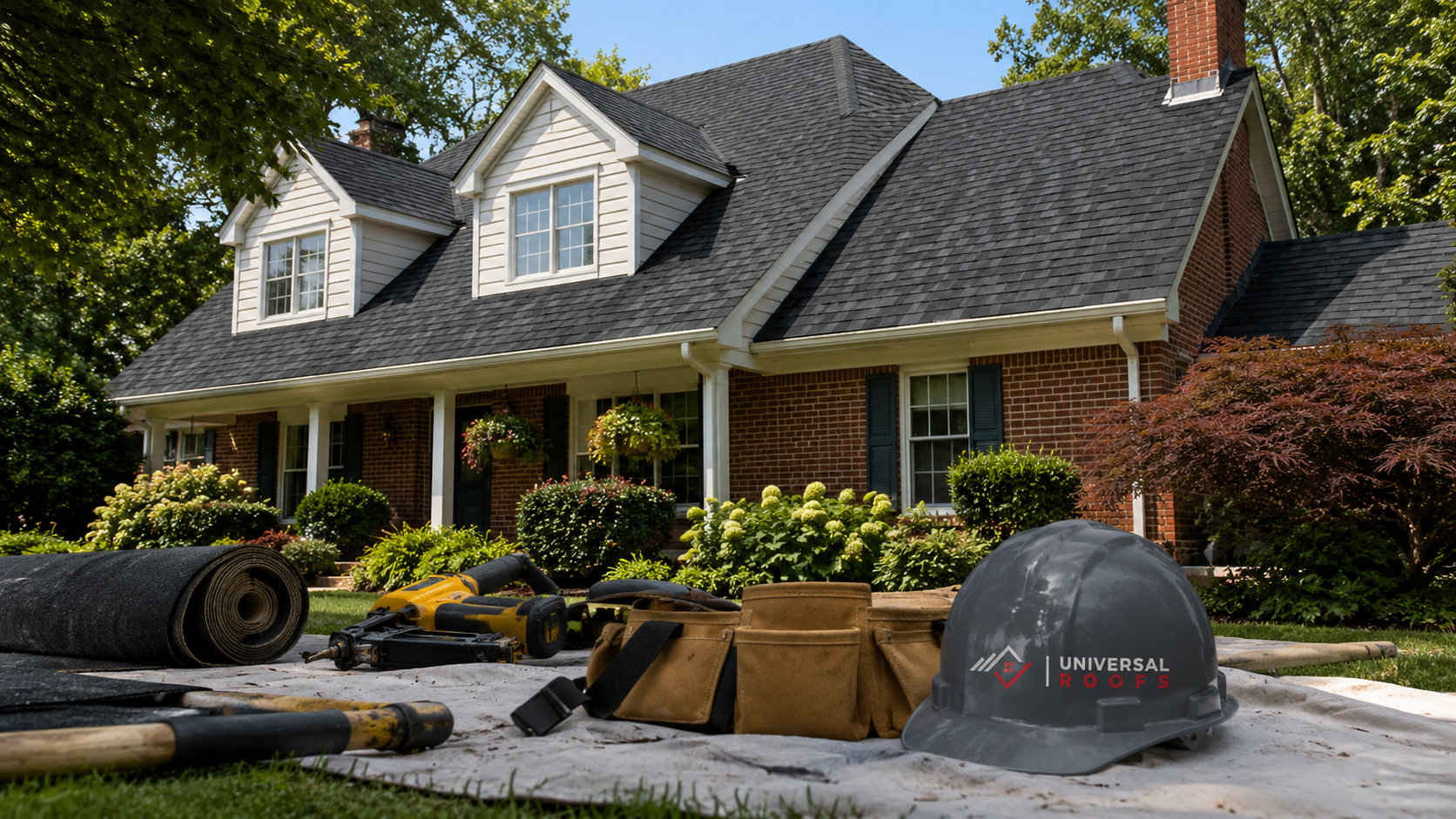
The overwhelming majority of residential roofing Burlington properties receive is asphalt shingle work, and within that category the architectural laminate shingle has become the default. It replaced the old three-tab shingle almost entirely over the past fifteen years because it carries a longer manufacturer warranty, a higher wind rating and a heavier profile that suits the deeper rooflines on newer subdivision homes.
Beyond shingles, three other categories show up regularly in roofing Burlington projects. Low-slope and flat sections appear on rear additions, sunroom roofs and garage extensions, and those need a membrane system rather than shingles. Standing seam and ribbed steel show up on estate properties and on accent areas such as bay windows and porch roofs. Cedar remains on a small number of older homes, usually because the owner wants to keep the original look.
What makes roofing Burlington work distinct is not the material list, it is the range of building ages sitting inside one municipality. A contractor quoting across the city in the same week may price a 1950s bungalow with a shallow gable and a single vent stack in the morning, and a 2010s two-storey with six valleys, three dormers, a skylight and a low-slope porch roof in the afternoon. Those are not the same job, and any quote that treats them the same is not a serious quote.
How Burlington’s Housing Character Changes the Scope
Burlington’s housing stock falls into a few broad groups, and each one brings its own roofing Burlington considerations. None of this is a rule you can apply sight unseen, but it does explain why estimates for two homes on the same street can differ by thousands of dollars.
Postwar and mid-century bungalows
Older single-storey homes tend to have simple, shallow gable roofs with short spans and easy ground access. That keeps labour hours down. The complications are usually underneath: original board sheathing rather than plywood, undersized or blocked soffit venting, and eaves that were built before self-adhered ice and water membrane was standard. On these homes the sheathing condition is the single biggest cost variable, and a deck inspection after tear-off often changes the final number.
Older brick two-storey homes
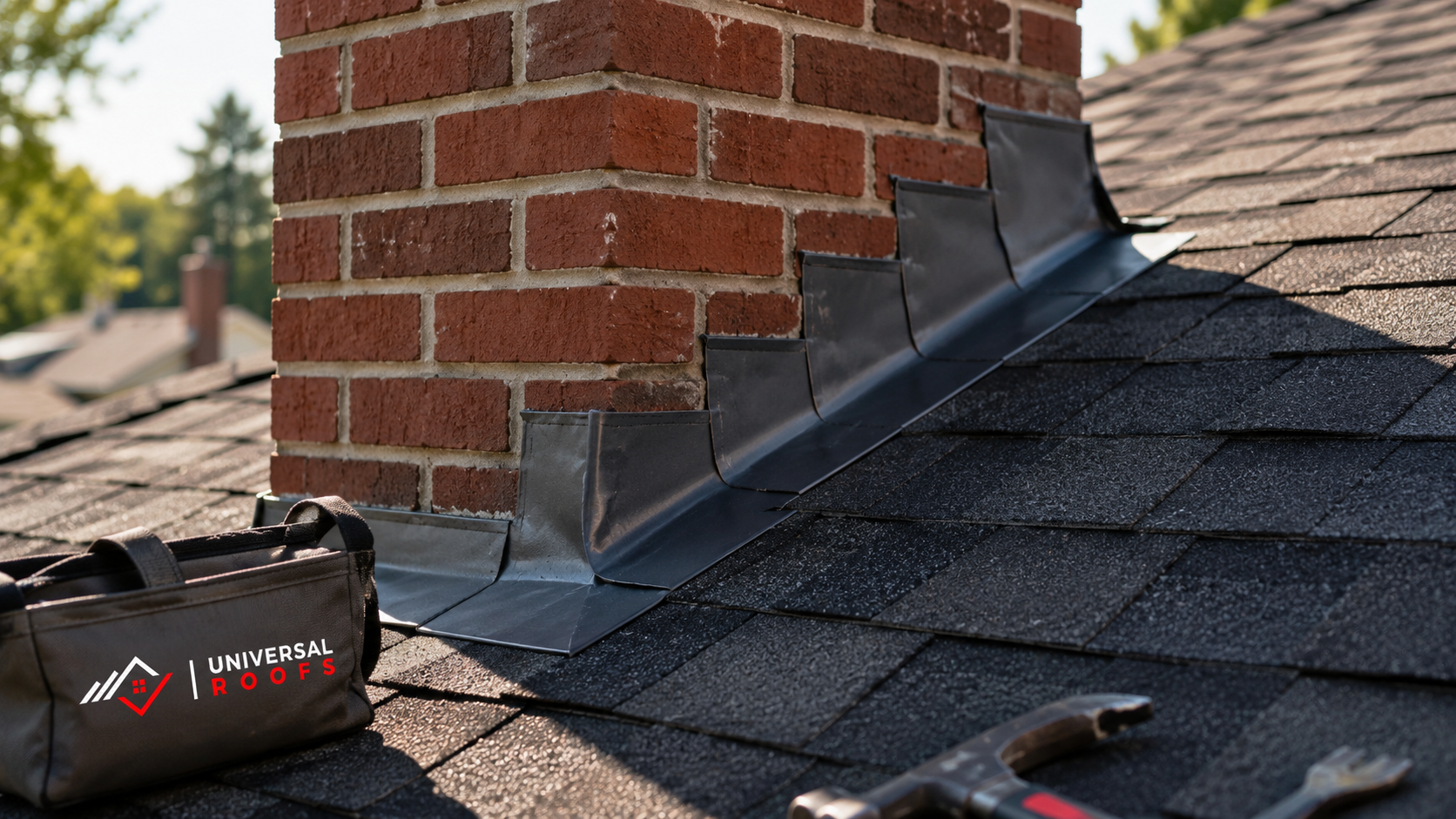
Homes with masonry chimneys and brick parapets or knee walls need proper step and counter flashing cut into mortar joints rather than surface-caulked flashing. This is skilled work, it takes time, and it is the most common place a cheap roof fails early. If a quote does not name chimney flashing as a separate line, ask why.
Newer subdivision homes
Later-built detached homes carry steeper pitches, more valleys, more hip and ridge length, and frequently a garage or porch roof at a different slope. Steeper pitch means harness work, slower movement and higher labour. More ridge length means more ridge cap and more ridge vent. These roofs also tend to be larger in true measured area than homeowners expect, because the footprint of the house understates a steep roof by a wide margin.
Estate and larger custom properties
Larger lots with custom builds bring long ridge runs, multiple roof planes, sometimes a slate or metal accent, and access constraints from mature trees and landscaping. Material staging and debris handling take longer, and disposal volume rises. Premium and designer shingles are more common in this group, as is copper or prefinished steel flashing.
Across all four groups, the practical takeaway for roofing Burlington projects is the same: measured roof area, pitch, number of penetrations and deck condition drive the price. Anyone giving you a firm number over the phone without any of those inputs is guessing.
2026 Roof Replacement Cost Ranges in Burlington
Roofing Burlington cost questions almost always start here. The table below gives realistic installed price ranges for full tear-off and replacement using architectural asphalt shingles, including underlayment, ice and water membrane at the eaves and valleys, new drip edge, standard vent replacement, disposal and a workmanship warranty. Prices assume one existing layer to remove and no significant deck replacement.
| Home type | Approximate roof area | 2026 installed range | Typical crew days |
|---|---|---|---|
| Townhouse or semi-detached, simple gable | 900 to 1,400 sq ft | $6,500 to $11,000 | 1 |
| Postwar bungalow, shallow pitch | 1,200 to 1,700 sq ft | $7,500 to $13,000 | 1 to 2 |
| Two-storey subdivision home, moderate complexity | 1,600 to 2,300 sq ft | $10,500 to $18,500 | 2 |
| Larger home with multiple dormers and valleys | 2,400 to 3,200 sq ft | $17,000 to $29,000 | 2 to 4 |
| Estate property, complex roofline or premium shingle | 3,200 sq ft and up | $28,000 to $55,000 | 4 to 8 |
Common additions to those ranges include plywood sheathing replacement at roughly $95 to $180 per sheet installed, a second existing layer of shingles adding around $0.75 to $1.50 per square foot in extra tear-off and disposal, chimney reflashing, new skylights, and eavestrough or fascia work bundled into the same visit. Steeper pitches above 8:12 typically add 15 to 30 percent to labour.
Homeowners comparing roofing Burlington quotes should be careful about how roof area is stated. Some contractors quote in roofing squares, where one square equals 100 square feet. A 2,000 square foot roof is 20 squares. Make sure two quotes are describing the same measured area before you compare the totals, because a 15 percent difference in stated area explains most price gaps that look dramatic at first glance.
Material Options and What They Cost Over a Roof Life
Material choice is the second biggest lever after roof size on any roofing Burlington project. The table below reflects installed cost per square foot in the Halton and Greater Toronto market for 2026, alongside realistic service life in this climate. Service life assumes correct installation and adequate attic ventilation, which matters more than the shingle grade in most failures we see.
| Material | Installed cost per sq ft | Realistic service life | Best suited to |
|---|---|---|---|
| Three-tab asphalt shingle | $4.50 to $6.50 | 15 to 20 years | Rentals, garages, short hold periods |
| Architectural laminate shingle | $6.00 to $9.00 | 25 to 30 years | Most detached and semi-detached homes |
| Premium or designer shingle | $9.00 to $13.50 | 30 to 40 years | Larger homes, high wind exposure |
| Modified bitumen (torch-applied) | $9.00 to $15.00 | 18 to 25 years | Flat additions, sunroom and garage roofs |
| TPO or EPDM single ply membrane | $10.00 to $16.50 | 20 to 30 years | Larger low-slope areas, rear extensions |
| Standing seam steel | $14.00 to $23.00 | 40 to 60 years | Long-hold homes, accent roofs, estate builds |
| Cedar shake | $16.00 to $27.00 | 25 to 35 years | Heritage-style homes keeping original character |
Divide installed cost by realistic service life and the picture changes. An architectural shingle at $7.50 per square foot over 27 years costs roughly $0.28 per square foot per year. Standing seam at $18.00 over 50 years costs about $0.36. Metal is not the cheap option on paper, but it is far closer than the sticker price suggests, and it is genuinely cheaper than replacing a mid-grade shingle roof twice. The right answer depends mostly on how long you plan to own the home.
If your home has a mix of steep and low-slope areas, expect a mixed system. Shingles do not perform below roughly a 2:12 pitch and manufacturers will not warranty them there. Those sections need a membrane, and the transition detail between the two systems is where leaks start when the work is rushed. Our team handles both, including dedicated flat roofing systems for rear additions and garage roofs.
Permits, Ontario Building Code and Inspections
Most roofing Burlington work is permit-exempt, but not all of it. In Ontario, replacing roof covering with the same type of material on an existing house generally does not require a building permit. A permit is normally required when the work goes structural: replacing or altering trusses and rafters, changing the roof slope or shape, adding a dormer, cutting a new opening for a skylight where none existed, or building a new roof over an addition. Repairs to sheathing that go beyond minor patching can also trigger a review. When in doubt, the City of Burlington building department is the authority to confirm with before work starts, not after.
Regardless of permit status, the Ontario Building Code still governs how the roof is built. The details that matter most on a residential re-roof are:
- Eave protection. A self-adhered waterproofing membrane is required at the eaves, extending from the edge of the roof up the slope to a line at least 300 mm inside the inner face of the exterior wall. On shallow pitches and long overhangs that means more than one course.
- Underlayment. The full deck must be covered with an approved underlayment beneath the shingles. Synthetic underlayment has largely replaced felt on quality installs because it lies flatter and tolerates weather exposure better mid-project.
- Attic ventilation. For roof slopes of 1:6 and greater, unobstructed vent area must be at least 1/300 of the insulated ceiling area, with intake and exhaust reasonably balanced between soffit and upper vents. Under-vented attics are the leading cause of premature shingle failure and winter condensation.
- Valleys and penetrations. Valleys need membrane or approved metal, and every stack, vent and chimney needs flashing that is integrated into the shingle courses rather than sealed on top of them.
- Deck condition. Sheathing must be sound, dry and properly fastened before new material goes on. Spongy or delaminated plywood must be replaced, not covered.
Ventilation deserves extra emphasis. Adding a premium shingle to a poorly vented attic is money spent in the wrong place. Where an attic is under-vented or under-insulated, the correct sequence is to fix the attic ventilation and insulation at the same time as the roof, because both trades need access to the same eave and ridge areas.
How to Vet a Roofing Contractor in Burlington
Roofing has a low barrier to entry, which means quality varies more than in most trades. Before you sign anything, run every roofing Burlington bidder through the same short list of checks. The checks below take under an hour and eliminate most of the risk.
- WSIB clearance certificate. Ask for a current clearance certificate, not a policy number. If a worker is injured on your property and the contractor is not in good standing, exposure can land on you.
- Commercial general liability insurance. Two million dollars is the standard minimum. Ask for the certificate directly from the broker where possible.
- A written, itemized contract. It should name the shingle manufacturer and product line, the underlayment, the ice and water membrane coverage, the ventilation plan, flashing scope, deck replacement rate, disposal, cleanup, and both the manufacturer and workmanship warranty terms.
- A reasonable deposit. Ten to fifteen percent is normal. Large upfront payments are the most reliable warning sign in the industry.
- Your cancellation rights. Under Ontario consumer protection law, contracts signed at your home are direct agreements and can generally be cancelled within ten days of receiving the written copy, without reason.
- Verifiable local work. Recent addresses in Halton, photos of completed jobs, and independent customer reviews you can actually read.
Once you have the credentials sorted, read the quotes themselves. Strong and weak roofing Burlington quotes on the same job differ in predictable ways:
- Roof measurement. A strong quote states the measured area in squares or square feet and notes the pitch. A weak one is priced from the driveway with no measurement at all.
- Materials. A strong quote names the manufacturer, product line, colour and wind rating. A weak one says “quality shingles” with no brand or grade attached.
- Deck repair. A strong quote sets a fixed per-sheet rate agreed before work begins. A weak one leaves it open-ended and prices it after tear-off, when you have no leverage.
- Ventilation. A strong quote counts existing intake and exhaust vents and states a plan. A weak one does not mention ventilation anywhere.
- Flashing. A strong quote lists chimney, wall, valley and skylight scope separately. A weak one rolls it into a single line with no detail.
- Warranty. A strong quote gives the manufacturer term plus a written workmanship period. A weak one offers verbal assurance only.
One more note on pricing psychology. The lowest quote in a set of three is usually low for a reason: fewer squares of ice and water membrane, reused flashing, no ventilation correction, or a thinner crew working faster. The highest is not automatically the best either. Compare scope line by line, and the ranking often changes.
What a Replacement Week Actually Looks Like
Most roofing Burlington replacements are a one to three day job once the crew is on site. The sequence is consistent even when the timeline is not.
Before the crew arrives. Move vehicles clear of the driveway, take down fragile items from walls on upper floors, and cover anything stored in the attic. Tear-off vibration travels through the structure and dust falls through soffit and pot light gaps.
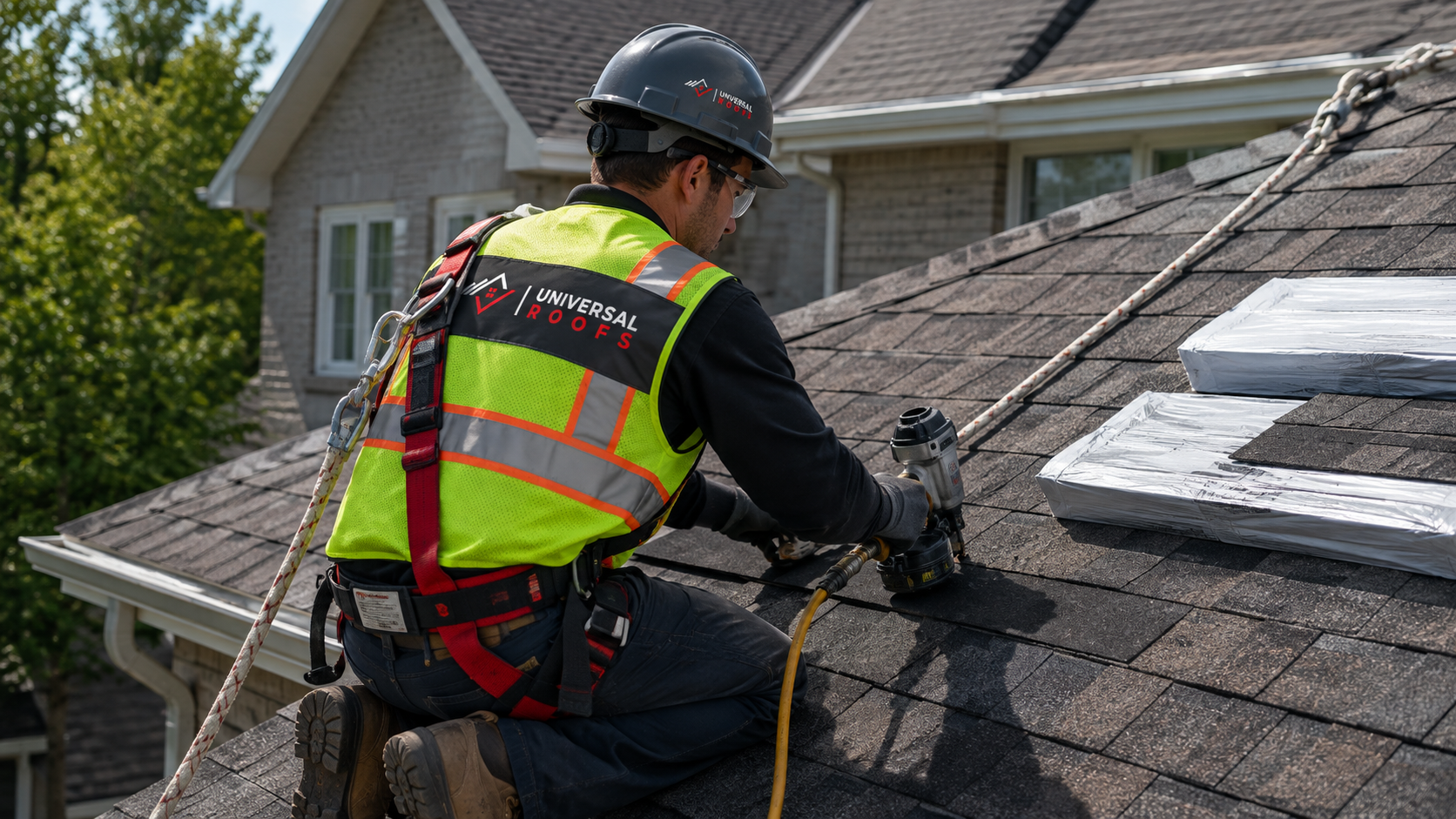
Day one, tear-off and dry-in. The existing roof comes off, usually one slope at a time so the deck is never left broadly exposed. Sheathing is inspected and repaired, then eave membrane, valley membrane, underlayment and drip edge go on. A properly run crew never leaves an open deck overnight without protection.
Day one to two, installation. Starter course, field shingles, flashing integration, then ridge vent and ridge cap. Penetrations are flashed as the courses reach them, not afterward.
Final day, cleanup and inspection. Magnetic sweep of the lawn, driveway and garden beds, debris removal, and a walkthrough. Ask for photos of the flashing and valley work, since those are the areas you will never see again from the ground.
Weather is the main variable. Shingles need warmth to seal their adhesive strips fully, which is why installs done in cold months may not seal until the following spring. That is normal and not a defect, but it does mean cold-season roofs are more vulnerable to wind lift in the interim. Booking spring or early summer work in the preceding winter usually secures better scheduling than calling in August, when demand across the region peaks. Homeowners planning ahead can review our full Burlington roofing services to see what is covered locally.
Repair or Replace: Making the Call
Not every roofing Burlington problem needs a full replacement. Age, extent and pattern of failure are what decide it. A roof under fifteen years old with isolated damage in one area is usually a repair. A roof past twenty years with granule loss across multiple slopes, curling edges and repeated leaks in different locations is telling you the system is at end of life, and continuing to patch it costs more than it saves.
| Common issue | Typical 2026 repair range | Usual cause | Replace instead when |
|---|---|---|---|
| Wind-lifted or missing shingles, small area | $350 to $850 | High wind, poor sealing, aged adhesive | Loss recurs across several slopes |
| Chimney flashing replacement | $650 to $1,800 | Surface-caulked or corroded flashing | Roof is already past 18 to 20 years |
| Valley leak repair | $700 to $2,200 | Failed valley membrane or debris damming | Multiple valleys show the same failure |
| Plumbing stack boot replacement | $250 to $650 | Cracked rubber collar from UV exposure | Rarely, this is almost always a repair |
| Ice dam damage at eaves | $1,200 to $4,500 | Attic heat loss and inadequate ventilation | Damage extends into sheathing and fascia |
| Skylight reflash or replacement | $900 to $3,800 | Failed flashing kit or seal failure | Best done at the same time as re-roofing |
A useful test: add up what you have spent on repairs in the past three years. If it approaches twenty percent of a replacement quote and the roof is over eighteen years old, replacement is the better financial decision. For homes at that stage, a planned roof replacement done on your schedule always costs less and causes less disruption than an emergency one done in January. Targeted roof repair remains the right answer for newer roofs with a single defined problem.
One caution specific to real estate. If you are preparing a Burlington home for sale, a roof visibly at end of life becomes a negotiating item that usually costs more in price reduction than the replacement would have. Buyers and home inspectors both flag it, and lenders occasionally ask about it.
Seasonal Care That Extends a Roof in This Climate
Maintenance is boring and it works. Most roofing Burlington failures trace back to three repeatable causes: blocked drainage, poor attic ventilation, and unaddressed flashing. All three are cheap to manage and expensive to ignore.
- Clear eavestroughs twice a year. Late spring after seed drop and late autumn after leaf fall. Overflowing troughs saturate fascia and feed ice dams.
- Trim overhanging limbs back at least two metres. Branch abrasion strips granules, and overhanging growth keeps slopes damp and shaded, which encourages moss and algae.
- Check the attic in winter. Frost on nail tips or sheathing means warm humid air is escaping into the attic. Fix the air sealing and ventilation before it soaks the insulation.
- Inspect after major wind events. A ground-level look with binoculars after a storm catches lifted tabs early, when they are a small repair.
- Book a professional inspection every three to five years. More often past the fifteen-year mark. A short inspection catches flashing and vent issues while they are still minor.
Homeowners often ask whether roof coatings, moss treatments or shingle rejuvenation sprays are worth it. On asphalt shingles in this climate, the honest answer for most homes is no. They do not restore a worn mat, and money spent there is better applied to ventilation correction or to the replacement fund. Moss removal is worth doing where growth is established, but it should be done gently, without pressure washing, which destroys the granule surface.
Frequently Asked Questions About Roofing in Burlington
How much does a new roof cost in Burlington in 2026?
Do I need a permit to replace my roof in Burlington?
What is the best time of year for roofing Burlington homes?
How long does a roof last in the Halton area?
Can new shingles be installed over the old ones?
Will my home insurance cover roof damage?
Book Your Roofing Burlington Estimate Today
A roof is one of the few purchases where the quality of the installation matters more than the quality of the product, which is why choosing the right roofing Burlington contractor is the decision that carries the most weight. Universal Roofs is a Toronto-based roofing company serving Burlington and communities across Halton and the wider Greater Toronto Area, with detailed written quotes, named materials, WSIB coverage, full liability insurance and a workmanship warranty in writing. We measure the roof, inspect the attic and flashing, and give you a roofing Burlington scope you can actually compare against other bids.
Call us today at (416) 732-2421 or request a free consultation. You can also read through our roofing FAQ if you want to do more homework first.
Universal Roofs proudly serves Burlington, Oakville, Milton and communities throughout Halton Region and the Greater Toronto Area with residential and commercial roofing services.