
A dripping ceiling stain, a musty smell in the attic, or a puddle forming on the hardwood after a summer thunderstorm — these are the moments every Toronto homeowner dreads. Roof leaks rarely start where the water actually appears indoors, which is exactly why so many DIY patch jobs fail and the same stain keeps coming back. Understanding the real solutions for residential roof leak repair means knowing where leaks originate, how professionals diagnose them, and which repair method actually matches the failure you are dealing with.
At Universal Roofs, we have been repairing roofs across the Greater Toronto Area since 2005, and freeze-thaw cycles, ice damming, and summer thunderstorms all put unique stress on GTA roofs. This guide walks through the most reliable solutions for residential roof leak repair, from emergency stopgaps to permanent fixes, so you can make an informed decision before water damage spreads any further into your home.
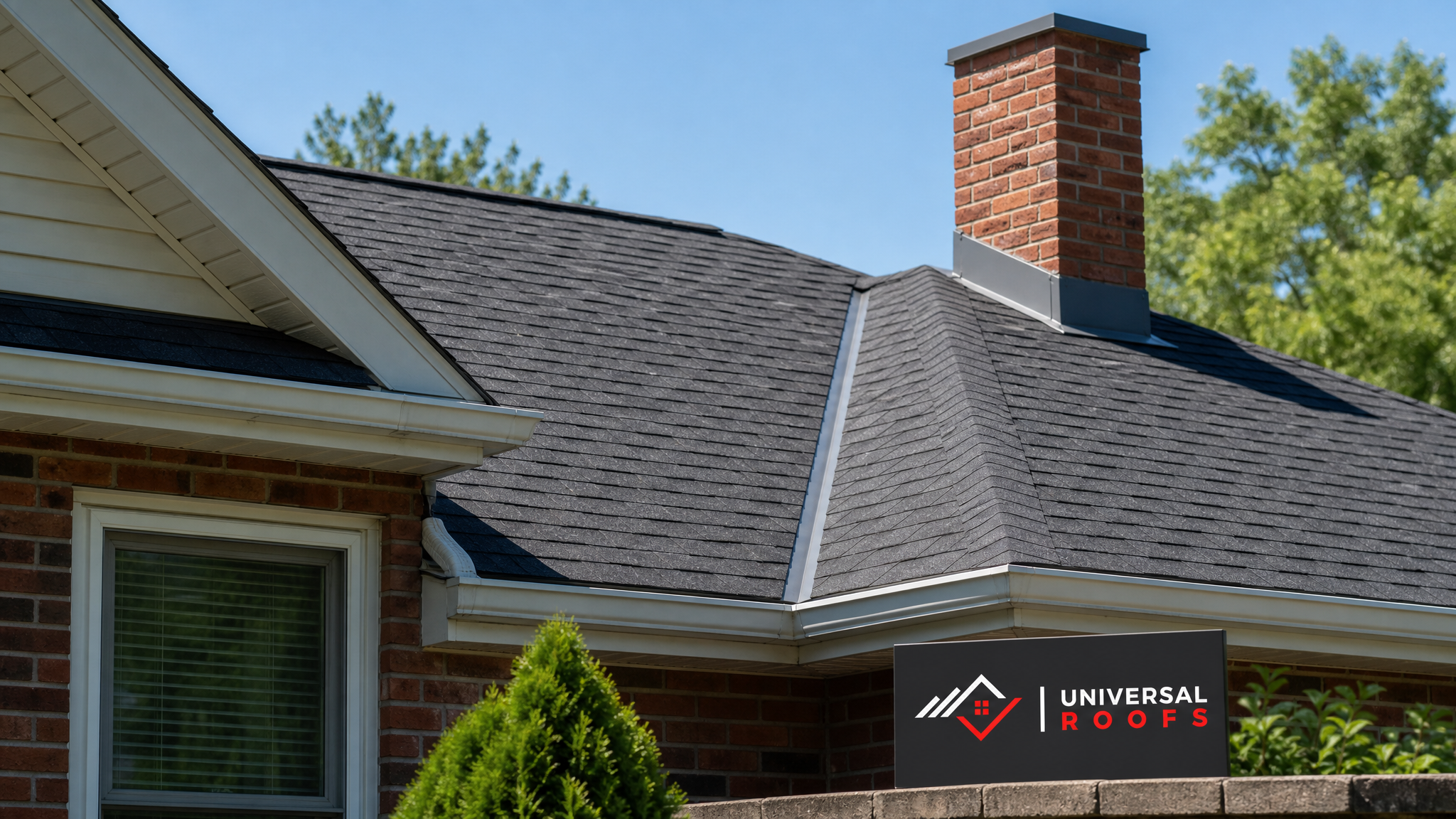
Why Residential Roofs in the GTA Leak in the First Place
Before jumping into solutions for residential roof leak repair, it helps to understand why Toronto-area roofs are especially prone to water intrusion. Our climate cycles through freezing winters, humid summers, and heavy spring and autumn rainstorms, all of which stress roofing materials differently than in milder regions.
The most common causes we see on service calls across Toronto, Mississauga, Vaughan, and the surrounding regions include:
- Deteriorated or missing shingles from wind uplift or age
- Cracked or corroded flashing around chimneys, walls, and roof-to-wall transitions
- Ice damming that forces meltwater back up under shingles during winter thaw cycles
- Failed pipe boots and vent seals where plumbing stacks penetrate the roof deck
- Clogged or damaged eavestroughs that cause water to pool and back up under the roof edge
- Skylight seal failure, which is often mistaken for a roofing leak when it is actually a flashing or glazing issue
- Aging or improperly installed flat roof membranes on additions, garages, and porch roofs
Because each of these causes requires a different repair method, an accurate diagnosis is the single most important step in any leak repair. Homeowners who skip this step and simply caulk over the visible symptom often find the leak reappears within a season.
Step One: Locating the Actual Source of the Leak
Water travels. A stain on your bedroom ceiling might trace back to a flashing failure three metres away, following a rafter or sheathing seam before dripping down. This is why professional roof leak repair always starts with a thorough inspection rather than a guess.
A proper diagnostic process typically includes:
- Interior attic inspection during or immediately after rainfall, looking for active drips, staining, or wet insulation
- Exterior roof inspection of all flashing points, valleys, and penetrations
- Checking for granule loss, curling, or cracked shingles that indicate age-related failure
- Inspecting eavestroughs and downspouts for blockages that cause water to back up
- Using moisture meters on the attic deck to trace the path of water intrusion
Our team at Universal Roofs’ roof repair service uses this same diagnostic-first approach on every call, because guessing at the source almost always leads to repeat repairs and wasted money.
Solution 1: Targeted Shingle and Flashing Repair
For roofs under 15-20 years old with isolated damage, targeted repair is usually the most cost-effective solution for residential roof leak repair. This approach replaces only the damaged shingles, underlayment, and flashing in the affected area rather than the entire roof section.
Targeted repair works well when:
- Damage is limited to a small area (a few shingles or one flashing point)
- The rest of the roof is structurally sound and within its expected lifespan
- The leak has a clearly identified, single source
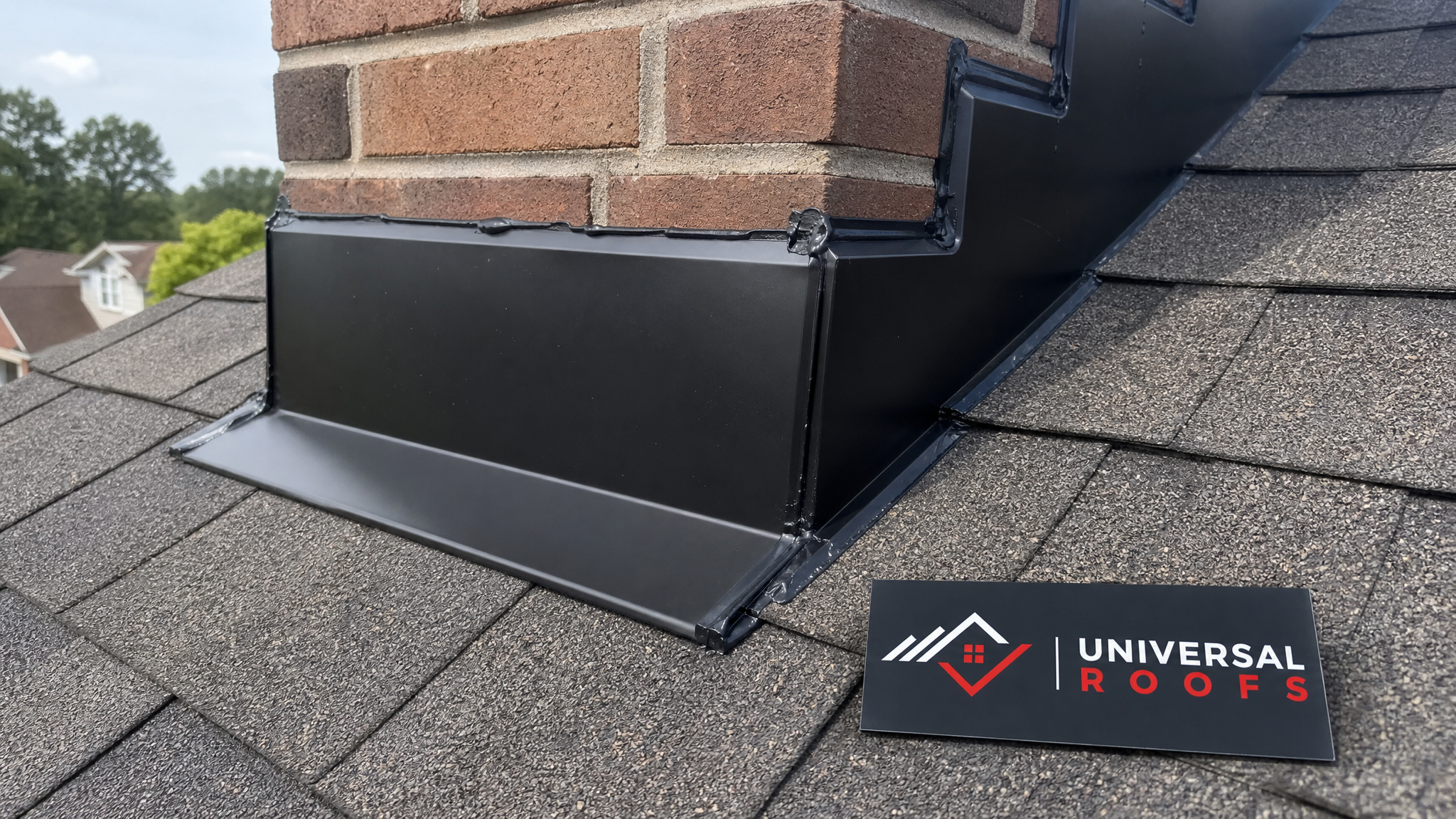
A skilled roofer will pull back surrounding shingles, replace damaged underlayment, install new step or counter flashing where needed, and reseal with roofing cement rated for GTA temperature swings. Cheap caulking products often crack and fail within a year or two in our climate, so material selection matters as much as workmanship.
Solution 2: Flat Roof Membrane Repair and Patching
Flat and low-slope roofs — common on additions, garages, and older Toronto homes — fail differently than sloped shingle roofs. Leaks typically originate at membrane seams, pooling water areas, or where the membrane meets a parapet wall or vent.
Depending on the membrane type (modified bitumen, EPDM rubber, or TPO), repair options include:
- Heat-welding or torch-sealing seams that have separated
- Patching punctures with compatible membrane material and adhesive
- Rebuilding pooling areas with tapered insulation to restore proper drainage
- Replacing failed pitch pockets around pipes and mechanical penetrations
If your flat roof is showing widespread membrane cracking, blistering, or is over 20 years old, patching becomes a temporary fix rather than a lasting solution. Our flat roofing team can assess whether a repair or a full membrane replacement makes more financial sense over the next five to ten years.
Solution 3: Skylight and Penetration Reseals
Skylights are a frequent, and frequently misdiagnosed, source of interior leaks. Homeowners often assume the roof itself is failing when the actual issue is a degraded skylight seal, cracked flashing collar, or condensation buildup inside the unit.
Common skylight-related repairs include:
- Resealing the flashing kit around the skylight curb
- Replacing failed weatherstripping or glazing seals
- Correcting improper original installation that left gaps at the roof-to-curb transition
- Full unit replacement if the skylight itself has reached end of life (typically 15-20 years for older units)
If you notice condensation, staining, or drips specifically around a skylight, it is worth having it inspected separately from the rest of the roof. Our skylights page and skylight replacement service outline the signs that indicate a reseal versus a full replacement is the right call.
Solution 4: Ice Dam Damage Repair
Ice damming is a distinctly Toronto-area problem. When heat escapes from a poorly insulated or ventilated attic, it melts snow on the upper roof, which then refreezes at the cooler eaves, forming a dam. Trapped meltwater backs up under the shingles and into the attic or ceiling below.
Repairing ice dam damage involves two separate steps: fixing the immediate water damage (replacing affected shingles, underlayment, and sometimes roof decking), and addressing the underlying cause so the dam does not reform next winter. That second step usually means improving attic insulation and ventilation so the roof surface stays uniformly cold in winter.
Homeowners who only repair the visible shingle damage without correcting attic ventilation typically see the same ice dam, and the same leak, return the following winter.
Comparing Roof Leak Repair Solutions
The table below compares the most common solutions for residential roof leak repair by typical cost, lifespan of the fix, and best-use scenario for GTA homes.
| Repair Solution | Typical Cost Range (CAD) | Expected Lifespan of Repair | Best For |
|---|---|---|---|
| Targeted shingle and flashing repair | $350 – $900 | 5-10 years | Isolated damage on roofs under 15-20 years old |
| Flat roof membrane patching | $400 – $1,200 | 3-7 years | Small punctures or seam failures on membranes under 15 years old |
| Skylight reseal or flashing repair | $300 – $800 | 5-8 years | Seal failure without full unit deterioration |
| Ice dam damage repair with ventilation fix | $600 – $2,000 | 10+ years (if ventilation corrected) | Recurring winter leaks near eaves |
| Partial roof section replacement | $2,500 – $6,000 | 15-25 years | Widespread damage limited to one roof plane |
| Full roof replacement | $8,000 – $18,000+ | 20-30 years | Roofs at or past end of expected lifespan |
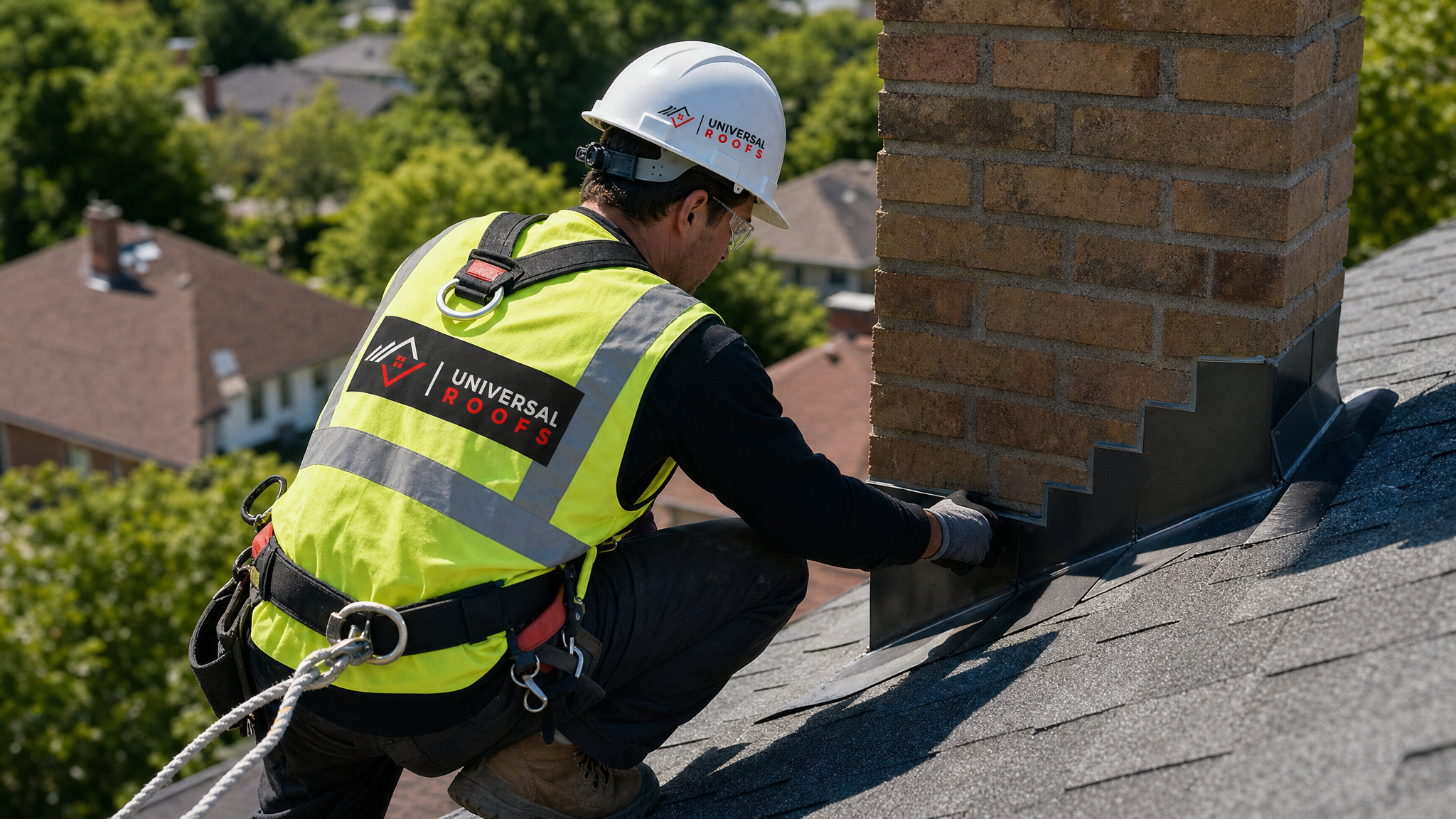
DIY Fixes vs. Professional Repair: What Homeowners Can Safely Do
Some minor leak-related tasks are reasonable for a handy homeowner to attempt, while others carry real safety and warranty risks. Working at height on a sloped or wet roof is dangerous without proper fall protection, and most manufacturer warranties are voided by non-professional repairs.
| Task | Safe for DIY? | Why |
|---|---|---|
| Clearing debris from eavestroughs | Yes, with proper ladder safety | Low risk, prevents water backup at the roof edge |
| Temporary tarping after storm damage | Caution advised | Only if access is safe; otherwise call an emergency repair service |
| Replacing individual shingles | Not recommended | Requires matching materials and proper nailing pattern to avoid future leaks |
| Flashing repair or replacement | No | Improper flashing installation is a leading cause of repeat leaks |
| Flat roof membrane repair | No | Requires specific adhesives and heat-welding equipment for a durable seal |
| Attic insulation and ventilation correction | Partially | Adding insulation is manageable; ventilation calculations should be reviewed by a professional |
If you are ever unsure whether a task is safe to attempt yourself, it is always more cost-effective in the long run to request a free inspection than to risk a fall or a poorly executed repair that voids your homeowner’s insurance claim.
Emergency Roof Leak Repair: What to Do Right Now
If water is actively entering your home, immediate containment matters more than diagnosing the root cause. Follow these steps while waiting for a professional:
- Move furniture and valuables away from the affected area
- Place a bucket or container to catch dripping water and protect flooring
- If the ceiling is bulging with trapped water, carefully puncture a small hole at the lowest point to relieve pressure in a controlled way, directing the flow into a container
- Photograph the damage for insurance purposes before cleanup begins
- Avoid walking on a wet or icy roof yourself — leave exterior inspection to a professional with proper safety equipment
- Call a roofing contractor for an emergency assessment as soon as possible
Quick action reduces secondary damage like drywall deterioration, mould growth, and damaged insulation, all of which add significantly to repair costs the longer water sits.
Seasonal Timing: When to Repair vs. When to Wait
Summer is actually one of the best times of year to address roof leaks in Toronto. Warm, dry conditions allow shingles, flashing sealants, and membrane adhesives to cure properly, and contractors have full access to materials without the scheduling backlog that hits every roofing company after a major winter storm.
That said, active leaks should never wait for “better timing.” A small flashing gap that seems manageable in July can allow enough water infiltration during a single summer thunderstorm to damage insulation, drywall, and even electrical fixtures. The table below outlines how timing affects different repair types.
| Season | Repair Feasibility | Notes |
|---|---|---|
| Summer (Jun-Aug) | Ideal | Best material curing conditions; ideal for membrane and shingle work |
| Autumn (Sep-Nov) | Good | Good window to address issues before winter freeze-thaw cycles begin |
| Winter (Dec-Feb) | Limited | Emergency repairs only; adhesives and sealants cure poorly in cold temperatures |
| Spring (Mar-May) | Moderate | High demand season following ice dam damage; book early |
Preventing Future Leaks After Repair
A repaired leak is only a lasting solution if the underlying conditions that caused it are also addressed. After any roof leak repair, homeowners should:
- Schedule an annual roof inspection, ideally in spring or autumn
- Keep eavestroughs and downspouts clear of debris year-round
- Verify attic insulation meets current Ontario Building Code recommendations to reduce ice damming risk
- Trim overhanging tree branches that deposit debris or cause abrasion damage
- Address minor issues (a lifted shingle, a small flashing gap) promptly rather than waiting for a full leak to develop
Homeowners across Toronto, Peel Region, York Region, Halton Region, and Durham Region who schedule routine maintenance inspections consistently spend less over time than those who only call a roofer once water is already visible indoors.
When Repair No Longer Makes Sense
Not every leak should be repaired. If your roof is nearing or past its expected lifespan, has multiple recurring leak points, or shows widespread shingle deterioration, patching individual areas becomes a cycle of diminishing returns. In these cases, a full roof replacement is typically more cost-effective over a 10-15 year horizon than a series of repeated repairs.
A reputable contractor should always be transparent about this trade-off rather than defaulting to repair simply because it is a smaller upfront job. Reading through verified customer reviews can also give you a sense of how honestly a company communicates repair-versus-replace recommendations.
Choosing the Right Contractor for Roof Leak Repair
Because an accurate diagnosis is the foundation of any lasting repair, the contractor you choose matters as much as the repair method itself. Look for a company that:
- Performs a full inspection before quoting a repair, rather than pricing off a phone description alone
- Explains the root cause of the leak, not just the visible symptom
- Carries proper licencing and insurance for work at height
- Provides a written warranty on both materials and labour
- Has verifiable local reviews and a track record in your specific municipality
Reviewing a contractor’s company history and checking their frequently asked questions page before booking can help you set realistic expectations for timelines and process.
What are the most effective solutions for residential roof leak repair?
How much does residential roof leak repair typically cost in Toronto?
Can I repair a roof leak myself?
Why does my roof leak only during winter?
Is it better to repair or fully replace a leaking roof?
How quickly should a residential roof leak be repaired?
Need Help With Top Solutions for Residential?
Whatever is causing your leak, getting an accurate diagnosis is the first step toward a lasting fix, and the team at Universal Roofs has handled thousands of residential repairs across the GTA since 2005.
Call us today at (416) 732-2421 or request a free inspection to get started.
Universal Roofs proudly serves Toronto, Mississauga, Brampton, Vaughan, Markham, Oakville and the GTA since 2005.