A chimney that smells musty on a rainy afternoon or pushes smoke back into the living room during a fire is telling you something is wrong. Smoke and odor problems in chimneys are among the most common complaints we hear from homeowners across Toronto and the GTA, and they almost always trace back to a handful of predictable causes: poor draft, creosote buildup, a damaged damper, flashing leaks, or a failing chimney cap. The good news is that every one of these issues is fixable once you know what to look for.
At Universal Roofs, we have been inspecting and repairing chimneys throughout the GTA since 2005, and smoke or odor complaints are usually the first sign that a chimney system needs attention before winter arrives. This guide walks through exactly why chimneys smoke, why they smell, and what a proper fix looks like.
Why Chimneys Develop Smoke and Odor Problems
Every masonry or prefabricated chimney works on a simple principle: warm air rises up the flue, creating negative pressure that pulls smoke and combustion gases up and out of the house. When that draft is disrupted, or when moisture and debris enter the flue through damaged components, smoke and odor problems in chimneys follow almost immediately. The chimney is essentially a vertical duct sitting exposed to Toronto’s freeze-thaw cycles, heavy spring rain, and summer humidity, all of which take a toll on the masonry, flashing, and cap over time.
Homeowners often assume a smoky fireplace means they are burning the wrong wood, and while fuel quality matters, our inspection records show that roughly 70% of smoke and odor calls in the GTA involve a physical defect in the chimney system rather than a fuel or technique issue. Understanding the difference determines whether you need a quick adjustment or a more involved repair.
Poor Draft: The Most Common Cause
Draft is the engine that carries smoke up and out of your home. When draft is weak, reversed, or inconsistent, smoke spills into the room instead of rising through the flue. Several conditions cause poor draft:
- Cold flue temperature — starting a fire in a cold flue means the air inside hasn’t warmed enough to rise properly, so smoke lingers and backs up.
- Flue too short or undersized — chimneys that don’t extend high enough above the roofline, or that are narrower than the appliance requires, cannot generate adequate draft.
- Negative house pressure — modern homes with tight insulation, running exhaust fans, or a furnace competing for air can pull air down the chimney instead of up it.
- Nearby trees or rooflines — obstructions that sit higher than the chimney crown can create turbulent wind patterns that push air back down the flue.
A quick draft test — holding a lit match near the firebox opening before lighting a full fire — can reveal whether smoke is being pulled upward or pushed back at you. If the smoke stalls or reverses, the draft needs professional diagnosis rather than trial and error.
Creosote Buildup and Its Role in Smoke and Odor
Creosote is the black, tar-like residue left behind when wood smoke condenses on the cooler surfaces inside a flue. It builds in layers over a burning season, and it is the single biggest contributor to both smoke and lingering odor complaints. Creosote does two things at once: it narrows the effective diameter of the flue, worsening draft, and it absorbs moisture from humid air, releasing a sour, smoky smell throughout the house, especially in summer when the air conditioner or a shut damper traps humid air against the buildup.
The table below breaks down creosote stages so you know what you are dealing with before a technician arrives.
| Creosote Stage | Appearance | Odor Level | Recommended Action |
|---|---|---|---|
| Stage 1 | Flaky, soot-like, easily brushed away | Mild, only noticeable near the firebox | Standard annual sweep |
| Stage 2 | Dark, shiny patches, harder to remove | Noticeable in the room during damp weather | Sweep plus draft inspection |
| Stage 3 | Thick, tar-like, glazed appearance | Strong, persistent, house-wide odor | Professional removal, possible liner inspection |
| Stage 4 | Bubbled, hardened glaze buildup | Severe odor plus fire risk | Immediate service; chimney unsafe to use |
If your chimney has reached Stage 3 or 4, stop using the fireplace until it has been professionally cleaned. Beyond the odor, glazed creosote is a leading cause of chimney fires.
Damper Issues That Trap Smoke and Smells Indoors
The damper is the metal plate that opens and closes the flue. A damper that doesn’t seal properly, or one that is left in the wrong position, is a frequent hidden cause of both smoke backup during fires and musty odor between uses. Common damper problems include:
- Warped or rusted damper plates that no longer close flush against the flue opening
- Damper hinges seized from age or debris, preventing a full open position
- Homeowners closing the damper too early while embers are still smouldering, trapping smoke and gases in the flue
- A missing or broken damper allowing outdoor air, insects, and odors to travel freely into the living space
A properly functioning damper should open fully with no resistance and seal tightly enough that you cannot feel a draft with your hand near the closed opening on a windy day. If yours doesn’t do both, that is a repair item, not a cosmetic issue.
Flashing Leaks and Moisture-Driven Odor
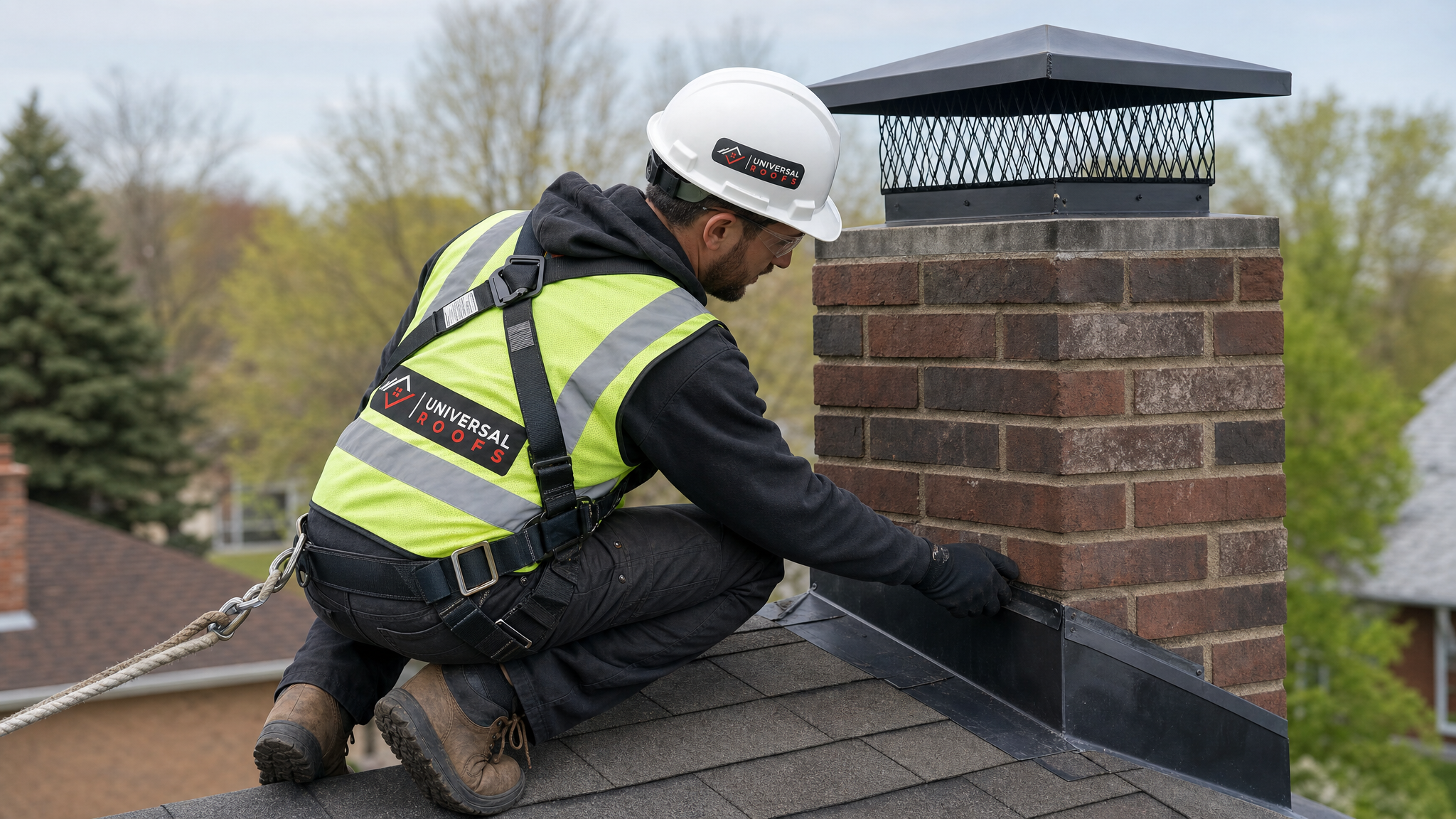
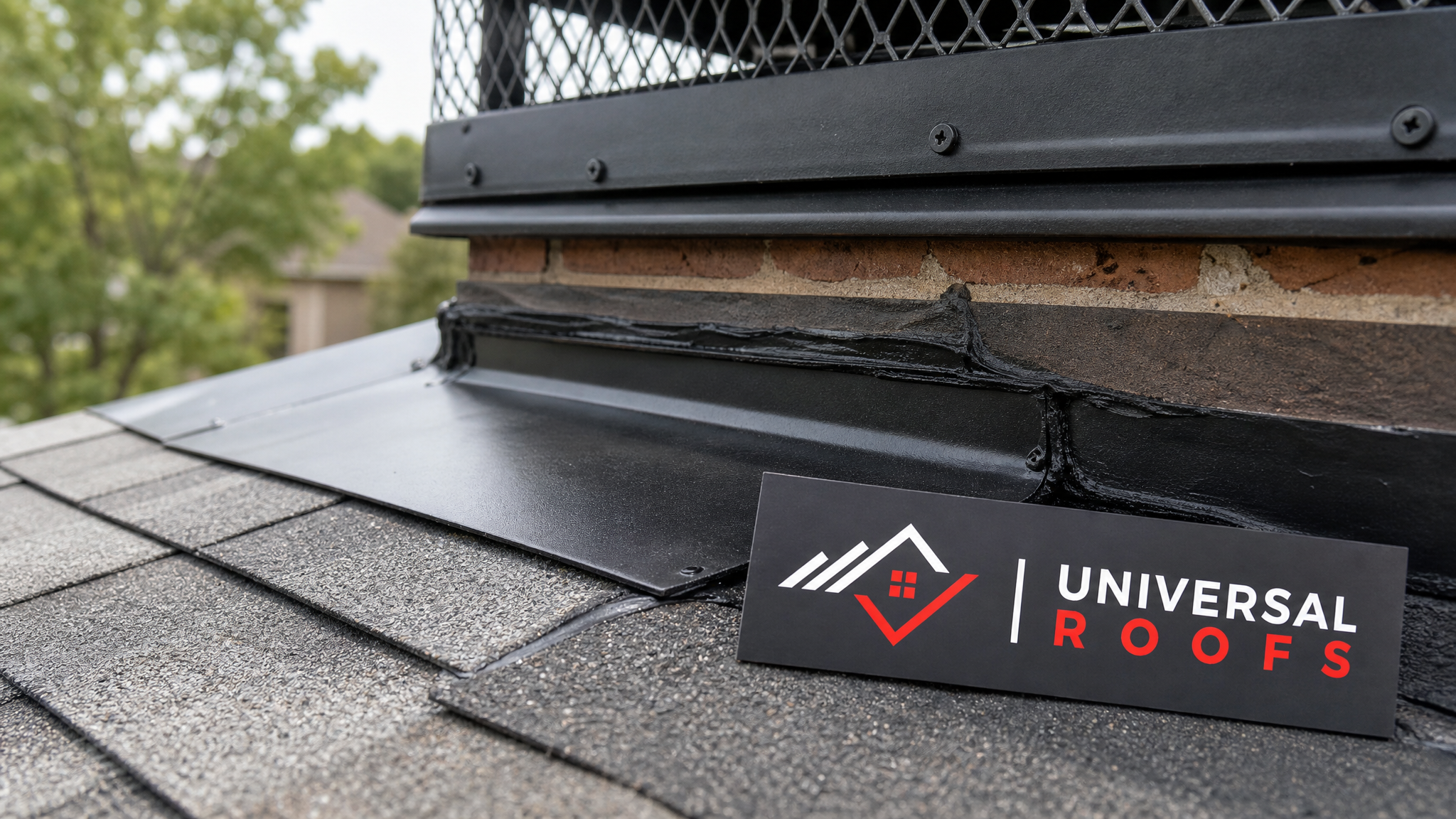
Chimney flashing is the metal barrier where the chimney meets the roofline, and it is one of the most common failure points on any GTA roof. When flashing seals crack, lift, or corrode, rainwater tracks down along the outside of the flue and into the surrounding masonry and attic space. That trapped moisture is what produces the classic musty, mildew-like odor many homeowners describe as “smells like a wet basement” every time it rains.
Unlike creosote odor, flashing-related smells often show up independent of whether the fireplace has been used recently, and they tend to get worse after heavy rain or spring thaw. If you notice water staining on the ceiling near the chimney chase, or the odor intensifies during or after rain, flashing is the likely suspect, and it is a job best handled alongside a broader roof repair assessment since chimney flashing failures often coincide with other roofing wear nearby.
Signs Your Flashing Has Failed
| Symptom | Likely Cause | Season Most Noticeable | Urgency |
|---|---|---|---|
| Musty odor after rain | Water tracking behind loose flashing | Spring and fall | High |
| Ceiling staining near chimney | Long-term flashing leak into attic | Winter thaw | Urgent |
| Rust streaks on brick | Corroded metal flashing | Year-round | Moderate |
| Peeling paint near fireplace wall | Interior moisture migration | Humid summer months | Moderate |
Chimney Cap Damage and Debris Intrusion
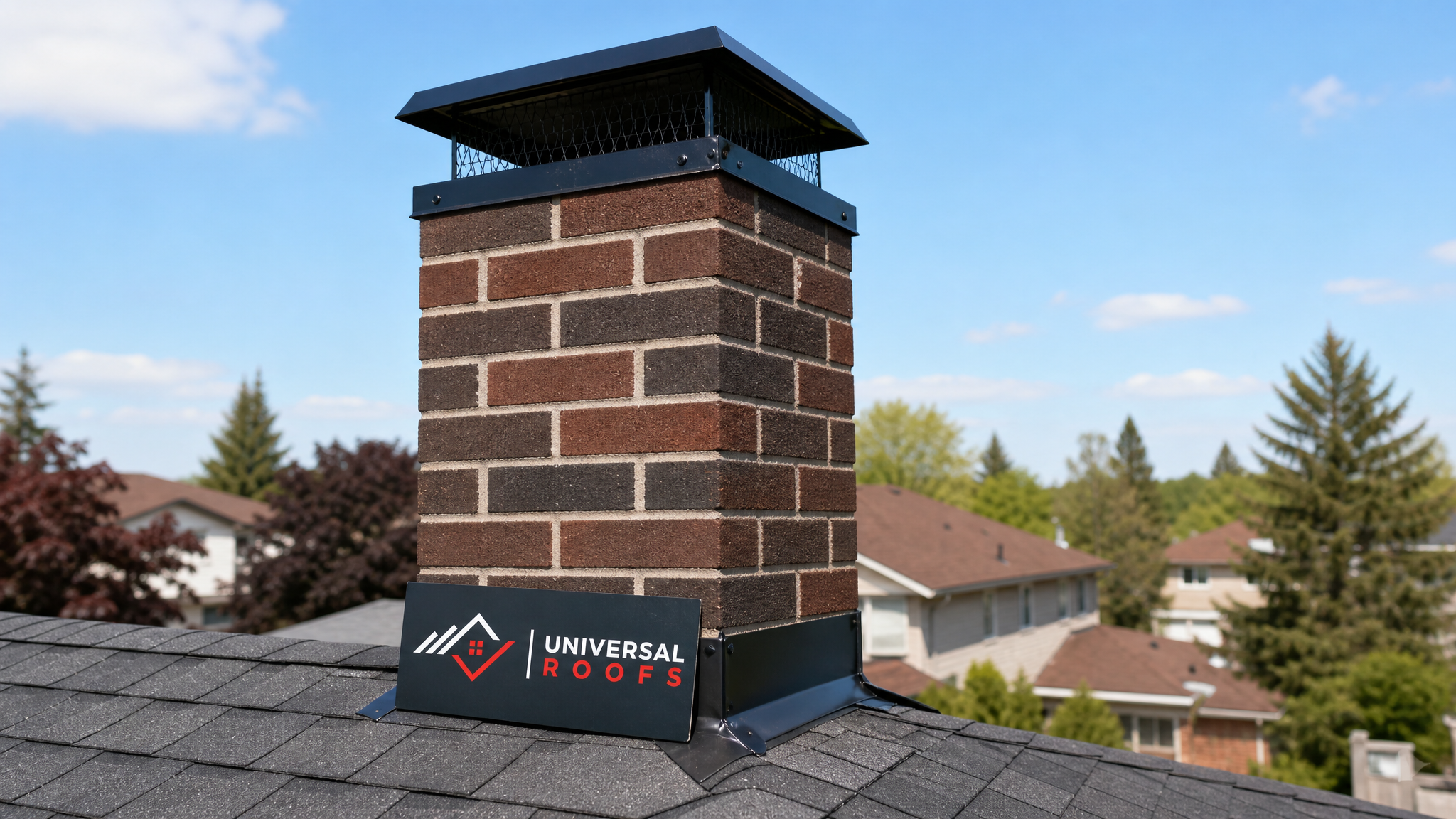
The chimney cap sits at the very top of the flue and serves three jobs at once: keeping rain out, keeping animals and birds out, and preventing wind-driven downdrafts. A missing, rusted, or poorly fitted cap allows all three problems to compound. Rainwater enters the flue directly, nesting material and debris from birds or squirrels can partially block the opening, and wind gusts create the kind of turbulent downdraft that pushes smoke back into the house mid-fire.
We frequently find that homes with a persistent damp-and-smoky smell, especially ones with no active fireplace use, have a damaged or absent cap allowing rain and organic debris to sit inside the flue for months. A cracked flat roofing membrane or a poorly sealed chimney chase nearby can make the problem worse by funnelling additional water toward the same area.
| Cap Condition | Odor Risk | Draft Impact | Typical Fix |
|---|---|---|---|
| Missing cap | Severe — direct rain and debris entry | High — unblocked wind downdraft | Install new cap immediately |
| Rusted mesh screen | Moderate — some debris still gets through | Low to moderate | Replace screen and cap assembly |
| Undersized cap | Moderate — partial rain exposure | Moderate — turbulent airflow | Upgrade to correctly sized cap |
| Properly fitted cap | Low | Minimal | Routine inspection only |
Other Contributing Factors Worth Ruling Out
A few less common but still important causes round out the list of what drives smoke and odor problems in chimneys:
- Burning unseasoned or wet wood — green wood produces more smoke and moisture vapour, accelerating creosote formation.
- Animal nests or debris — birds, raccoons, and squirrels regularly use uncapped chimneys as shelter, leaving behind material that both blocks airflow and produces its own odor.
- Attic ventilation problems — poor attic airflow around the chimney chase can trap humid air that interacts with masonry and worsens musty smells.
- Cracked flue liner — gaps in an aging clay or metal liner let smoke and gases escape into the wall cavity instead of venting outside.
When to Call a Professional
Some odor and smoke issues are simple enough to monitor, but several situations call for a professional inspection right away:
- Smoke enters the room every time you light a fire, regardless of damper position
- A strong, persistent odor is present even when the fireplace hasn’t been used in weeks
- You notice staining, rust streaks, or moisture around the chimney chase
- The chimney cap is visibly missing, dented, or rusted through
- You can see daylight or gaps around the flashing from inside the attic
A trained technician can run a full draft assessment, inspect the flue liner with a camera where needed, check the damper seal, and evaluate the flashing and cap together rather than treating each as an isolated issue. Because chimney problems are frequently tied to the surrounding roof system, it is worth having the same visit cover a broader roof replacement or repair evaluation if your roof is approaching the end of its service life, and checking nearby skylights for similar flashing wear, since both share the same vulnerable roof penetrations.
Homeowners across our Toronto service area often discover during a chimney visit that a neighbouring flashing detail or vent stack has the same early-stage leak, which is why a full-roof inspection tends to save a second service call down the road. You can read about past customer experiences with these kinds of combined inspections on our reviews page, and general guidance is available on our FAQ page.
Preventing Smoke and Odor Problems Long-Term
Once a chimney has been properly diagnosed and repaired, a short annual maintenance routine keeps smoke and odor problems from returning:
- Schedule a professional sweep and inspection once a year, ideally before the first cold snap
- Burn only seasoned hardwood with moisture content under 20%
- Keep the damper fully open until the fire is completely out and cooled
- Inspect the cap and flashing each spring after freeze-thaw season
- Address any musty odor promptly rather than waiting for a fire-related symptom to appear
Consistent upkeep is far less costly than emergency repairs after a chimney fire or a season of water intrusion, and it keeps the whole roof system, not just the chimney, performing as it should. Learn more about our team and approach on our about page.
What is the most common cause of smoke and odor problems in chimneys?
Why does my chimney smell musty even when I’m not using the fireplace?
Can a damaged chimney cap really cause smoke and odor problems?
How does creosote contribute to chimney odor?
Is smoke backing up into the room always a damper problem?
When should I call a professional about smoke and odor problems in chimneys?
Need Help With Chimney or Roof Issues?
Whether it’s a smoky fireplace, a musty odor that won’t go away, or flashing that needs a closer look, the team at Universal Roofs has the experience to diagnose the real cause and fix it properly the first time.
Call us today at (416) 732-2421 or request a free inspection to get started.
Universal Roofs proudly serves Toronto, Mississauga, Brampton, Vaughan, Markham, Oakville and the GTA since 2005.