
A roof covered in leaf litter, moss, and years of debris is not just an eyesore — it is a genuine fire hazard, especially during Toronto’s hot, dry summer stretches. Every year, homeowners across the GTA are surprised to learn that a build-up of dry organic material on a roof, in gutters, and around rooftop vents can ignite from a stray ember, a discarded cigarette, or even sparks from a neighbour’s barbecue. Understanding how to prevent fires with expert roof cleaning is one of the simplest, most cost-effective ways to protect your home.
At Universal Roofs, we have inspected thousands of roofs across Toronto, Mississauga, Brampton, Vaughan, Markham, Oakville and the surrounding GTA since 2005. We consistently see the same pattern: homes with neglected roofs — thick moss mats, pine needle drifts in valleys, clogged gutters packed with dry leaves — carry a measurably higher fire risk than homes with a clean, well-maintained roofing system. This guide walks you through exactly why debris accumulation is dangerous, how professional roof cleaning reduces that risk, what the process actually involves, and how often you should schedule it based on your roof type and surroundings.
Whether you have asphalt shingles, a flat roof membrane, or a roof with skylights that traps extra debris in the surrounding flashing, the principles below apply. We will also cover the tools and techniques used in expert roof cleaning, the difference between DIY cleaning and professional service, and the warning signs that your roof needs attention right now.
Why Roof Debris Is a Genuine Fire Hazard
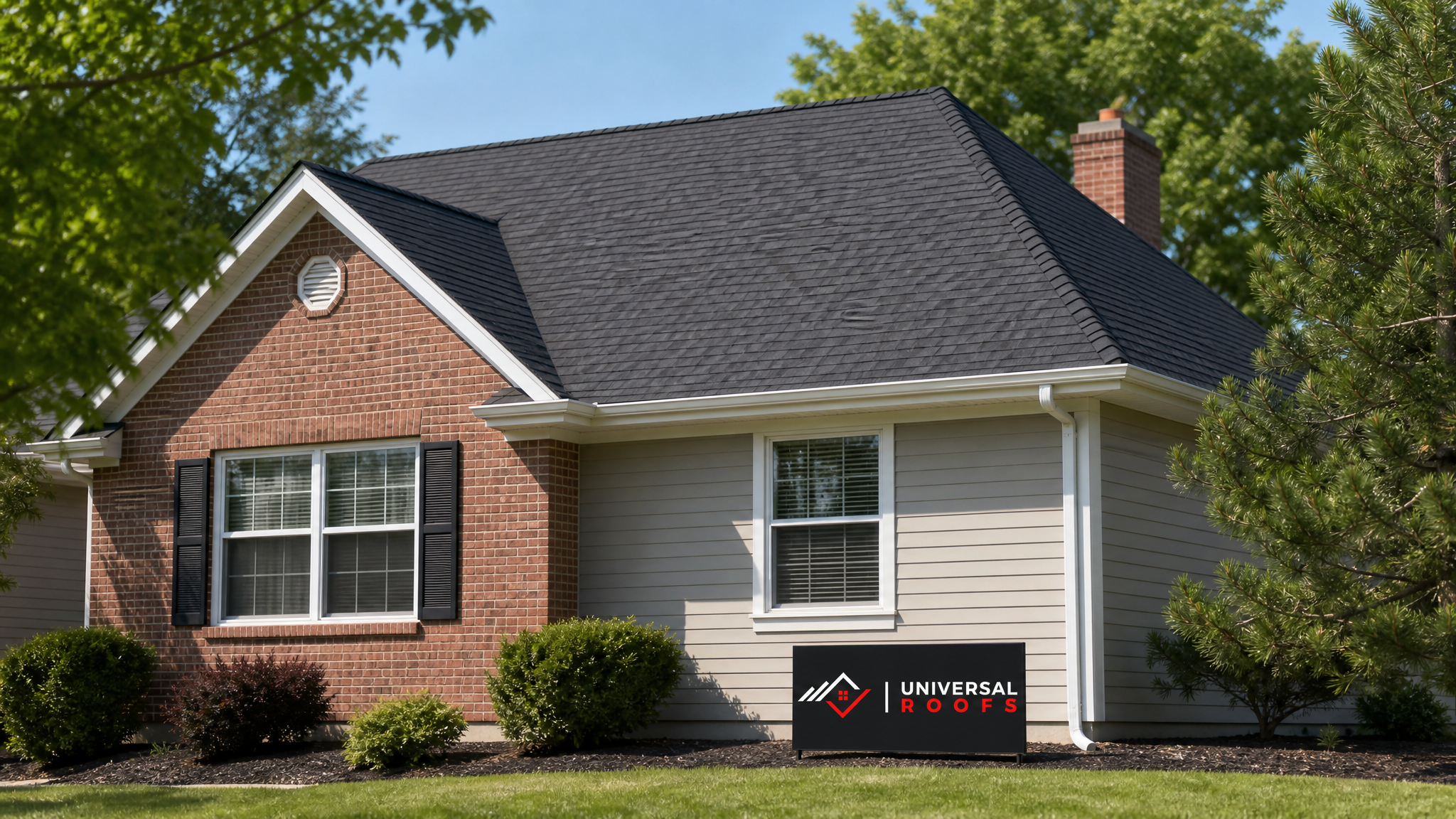
It is easy to dismiss a bit of moss or a scattering of leaves as purely cosmetic. In practice, accumulated roof debris behaves like kindling. Dry leaves, pine needles, and moss lose moisture quickly in direct summer sun, and once dehydrated they ignite far more easily than green vegetation. A single wind-blown ember from a nearby brush fire, a neighbour’s fire pit, fireworks, or even a faulty chimney cap can land in a debris-choked valley or gutter and smoulder undetected for hours before flaring up.
The risk compounds in three specific areas of a typical roof:
- Gutters and eavestroughs — Leaves and twigs packed into gutters dry out and sit directly against the fascia board and roof edge, the most vulnerable ignition point on the structure.
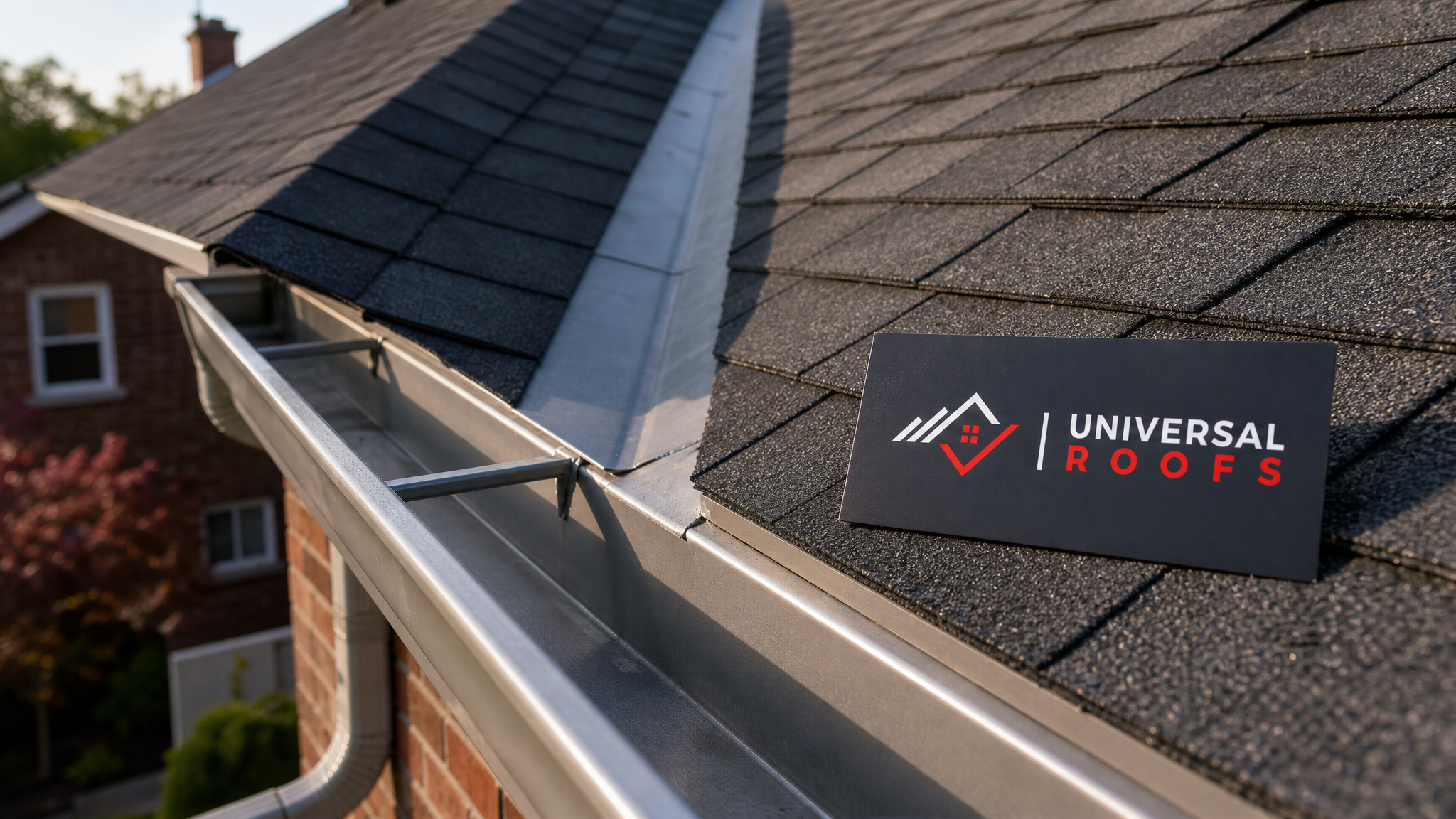
- Roof valleys — The V-shaped channels where two roof slopes meet naturally collect wind-blown debris and hold it in place, creating a persistent fuel source.
- Around vents, skylights, and chimneys — Debris that collects against flashing and vent stacks can trap heat and sparks against combustible roofing materials.
Insurance adjusters in Ontario increasingly flag heavy moss and debris accumulation as a contributing factor in roof-related fire and water-damage claims, because neglected debris also traps moisture that accelerates the decay of shingles, underlayment, and wood decking — weakening the very materials meant to protect your home.
How Expert Roof Cleaning Reduces Fire Risk
Professional roof cleaning addresses fire risk on two fronts: removing existing fuel and preventing future accumulation. A trained crew does not simply blow leaves off the surface. The process typically includes:
- Full-surface debris removal — Hand removal or low-pressure blowing of leaves, needles, seed pods, and branches from the entire roof plane, not just the visible edges.
- Valley and gutter clearing — Manual clearing of valleys, gutters, and downspouts, where the highest concentration of dry fuel typically builds up.
- Moss and algae treatment — Soft-washing with a roof-safe biocide solution to kill moss, algae, and lichen at the root, rather than merely scraping the visible growth (which leaves spores behind).
- Vent, skylight, and flashing inspection — Clearing debris from around skylights, vent stacks, and chimney flashing, where materials tend to accumulate and where our skylights and skylight replacement teams often find the worst build-up during inspections.
- Post-cleaning assessment — A visual check for any shingle damage, exposed nail heads, or membrane wear uncovered once the debris is cleared.
This last step matters more than most homeowners realize. Debris often hides early warning signs of roof deterioration — cracked shingles, lifted flashing, soft spots on a flat membrane — that a technician can only spot once the surface is clear. Catching these issues early is frequently the difference between a minor roof repair and a full roof replacement down the line.
DIY Roof Cleaning vs. Professional Service
Many homeowners attempt to clear their own gutters and blow off surface leaves, and for light, easily reached debris that is a reasonable start. However, DIY cleaning has real limitations when it comes to genuinely reducing fire risk.
| Factor | DIY Roof Cleaning | Professional Roof Cleaning |
|---|---|---|
| Debris removed | Surface leaves and easily reached gutter sections | Full roof plane, valleys, gutters, downspouts, and flashing areas |
| Moss and algae treatment | Often scraped only, spores remain and regrow within weeks | Soft-washed with biocide treatment that kills growth at the root |
| Safety equipment | Typically a ladder and no fall protection | Harness, safety rope, and anchor points used at all times |
| Damage detection | Unlikely to notice lifted shingles or worn flashing | Trained technician flags early wear during the same visit |
| Warranty implications | Improper pressure washing can void shingle manufacturer warranties | Roof-safe methods that preserve manufacturer warranty coverage |
| Typical cost (2026 GTA pricing) | Time cost only, plus equipment rental | $250–$650 depending on roof size and access |
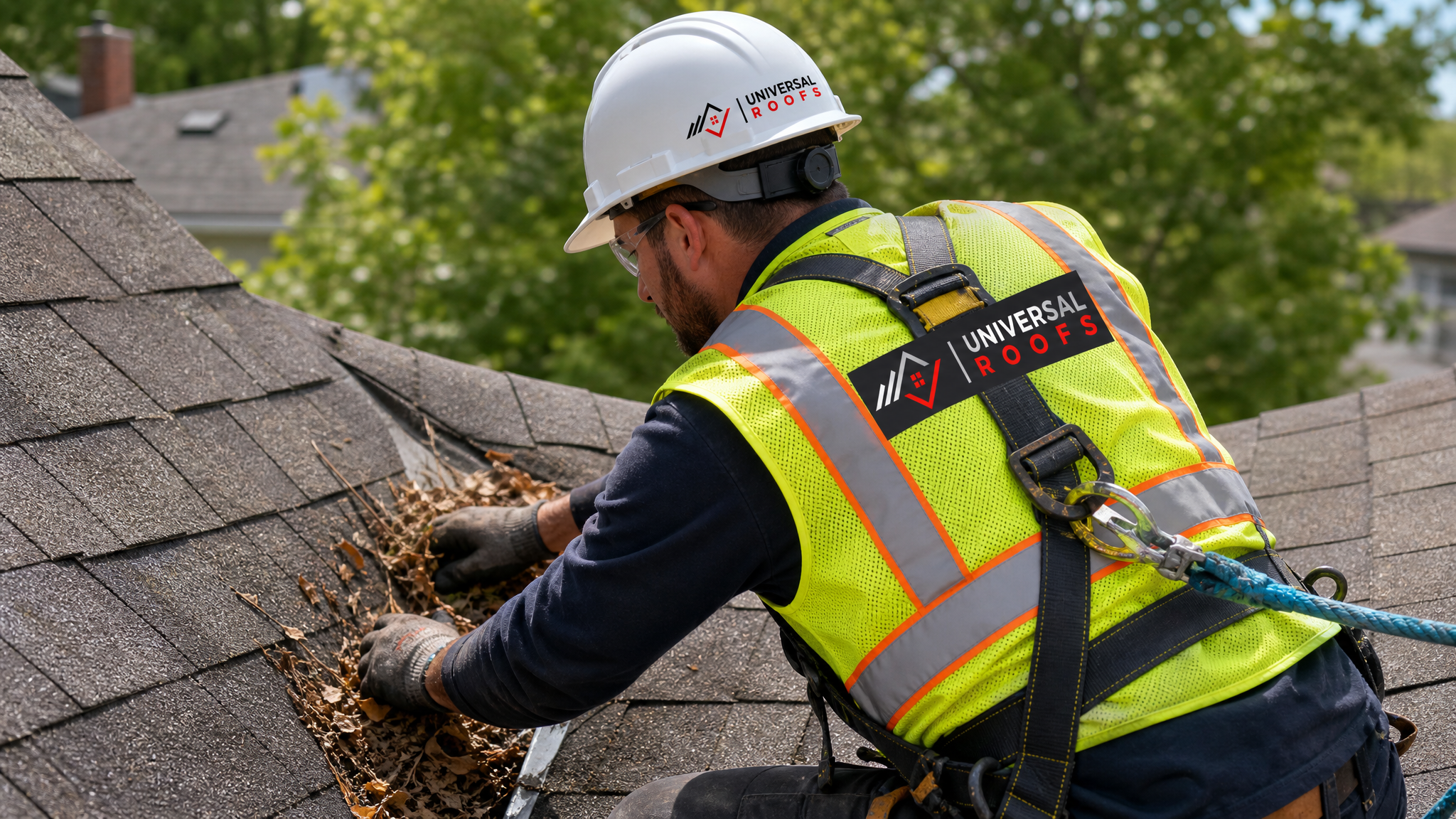
The safety consideration deserves special attention. Working at height on a sloped roof, particularly one that may be damp with morning dew common in the Toronto summer, is genuinely dangerous without proper fall protection. Professional crews use a harness and safety rope anchored to the structure at all times — equipment most homeowners simply do not own and should not attempt to improvise.
Seasonal Timing: When Roof Cleaning Matters Most
In the GTA, roof debris accumulation follows a predictable seasonal pattern, and timing your cleaning around it maximizes both fire-safety benefit and cost efficiency.
| Season | Debris Risk | Recommended Action | Priority Level |
|---|---|---|---|
| Spring (April–May) | Winter debris, seed pods, and early pollen build-up | Full clean after the last frost to clear winter accumulation | High |
| Summer (June–August) | Dry vegetation, dust, and dehydrated debris most prone to ignition | Mid-season inspection and spot-clean of valleys and gutters | Highest |
| Fall (September–November) | Heavy leaf drop, especially under mature trees common across Toronto neighbourhoods | Full clean after peak leaf fall, before first snow | High |
| Winter (December–March) | Lower fire risk but ice and snow load concerns increase | Visual inspection only; avoid walking on roof surfaces | Low |
Right now, in the heart of summer, is actually one of the most important windows for a fire-prevention-focused roof cleaning. The combination of dried-out spring debris that never fully cleared, plus new dust and dehydrated organic matter accumulating in the heat, creates peak fuel conditions. This is also the season when barbecue sparks, fireworks around holidays, and dry lightning are most common ignition sources in the GTA.
Roof Type Considerations: Shingles, Flat Roofs, and Skylights
Not every roof accumulates debris — or carries fire risk — in the same way. Understanding your specific roof type helps you target cleaning where it matters most.
Asphalt shingle roofs are the most common roof type across Toronto’s residential neighbourhoods. Their textured surface naturally catches leaves, needles, and grit, and moss tends to establish itself on the shaded, north-facing slopes. Debris trapped between shingle tabs can hold moisture against the granular surface, accelerating wear while also creating dry fuel pockets once the surface dries out in the sun.
Flat and low-slope roofs, common on additions, garages, and some commercial-style GTA homes, collect debris differently — material tends to pool near drains and roof edges rather than sliding off. A blocked drain on a flat roofing system creates standing water and organic sludge that, once dried during a hot spell, becomes a surprisingly effective fire fuel layer. Regular drain clearing is arguably the single most important fire-prevention task for flat roof owners.
Roofs with skylights present a unique debris trap: the raised flashing around a skylight curb collects leaves and needles on the uphill side, and this debris often goes unnoticed because it sits below sightlines from the ground. Our skylights team frequently finds this to be the most neglected area during general roof cleanings, and it is one we always check specifically.
Attic ventilation also plays a supporting role in fire prevention. A well-ventilated attic keeps roof decking drier and less prone to the kind of moisture-and-debris buildup that leads to rot, which in turn keeps combustible materials in better condition and less likely to smoulder if exposed to an ember.
Warning Signs Your Roof Needs Cleaning Now
Most homeowners wait too long between roof cleanings simply because the problem is out of sight. Watch for these signs that debris has reached a level worth addressing immediately:
| Warning Sign | What It Means | Recommended Response |
|---|---|---|
| Visible moss patches on shingles | Moisture retention and early shingle degradation | Schedule soft-wash treatment within 2–4 weeks |
| Overflowing or sagging gutters | Gutters packed with dry leaf matter and debris | Clear immediately; high fire fuel concentration |
| Dark streaking on the roof surface | Algae growth (often mistaken for dirt) | Book a cleaning within the season |
| Plant growth in valleys | Trapped organic matter and soil build-up over multiple seasons | Priority clean; high fire and structural risk |
| Visible debris around skylight or vent flashing | Localized fuel pocket near a penetration point | Spot-clean during next scheduled maintenance |
If you notice more than one of these signs at once, it is worth booking a full inspection rather than a spot-clean. Our team can assess the whole roof system in a single visit and combine cleaning with an evaluation of the shingles, flashing, and drainage.
What to Expect During a Professional Roof Cleaning Appointment
A typical Universal Roofs cleaning visit runs 1.5 to 3 hours depending on roof size, pitch, and the amount of accumulated debris. The technician will first walk the perimeter to identify access points and hazards, then set up fall-protection anchors before going onto the roof surface. From there, debris removal proceeds from the ridge down toward the eaves, so loosened material moves toward the gutters rather than back onto cleaned sections.
Gutters and downspouts are cleared next, often with a hose flush to confirm water moves freely afterward — a blocked downspout defeats the purpose of a clean roof if water still cannot drain properly. Any moss or algae treatment is applied last, since biocide solutions need contact time to work and should not be disturbed by subsequent debris removal.
Before leaving, the technician documents any areas of concern with photos — lifted shingles, exposed nails, cracked flashing, or soft spots — and reviews them with the homeowner. This is often when small issues get caught early enough to become a simple roof repair rather than a larger problem discovered only after a leak appears.
Building a Long-Term Roof Cleaning and Fire Prevention Plan
Fire prevention through roof cleaning works best as a routine, not a one-time fix. We generally recommend homeowners across Toronto, the Peel Region, York Region, Halton Region, and Durham Region follow a simple cadence based on their property’s tree coverage and roof type.
Homes surrounded by mature trees — common in many established Toronto neighbourhoods — should plan for two full cleanings per year, typically late spring and late fall, with a mid-summer gutter check in between. Homes with fewer overhanging trees can often manage with one thorough annual cleaning plus a visual inspection each season. Flat roof owners should prioritize drain checks quarterly regardless of tree coverage, since blocked drainage causes problems faster than surface debris alone.
Pairing cleaning with an annual roof inspection also extends the life of your shingles or membrane. Debris removal alone reduces fire fuel, but combined with a check of flashing, seals, and attic ventilation, you address the full picture of roof health rather than just the surface symptom. Many of our long-term clients bundle their cleaning appointment with a broader inspection each year specifically for this reason.
If your roof has gone more than two years without a professional cleaning, it is worth scheduling an assessment even if you have not noticed obvious problems from the ground. Moss, debris, and early shingle wear are far easier to see up close than from your driveway, and catching them early keeps both your fire risk and your repair costs down.
Choosing the Right Roof Cleaning Company in Toronto
Not every company advertising roof cleaning uses roof-safe methods. Pressure washing at high PSI can strip granules from asphalt shingles, shortening their lifespan and potentially voiding manufacturer warranties. When evaluating a roof cleaning provider, look for a company that uses soft-washing techniques rather than high-pressure equipment, carries liability insurance and WSIB coverage for workers at height, and is willing to document what they find during the visit rather than simply rinsing the surface and leaving.
You can read what past clients have experienced on our reviews page, and if you have specific questions about pricing, scheduling, or what our process covers, our FAQ page answers the most common ones. You can also learn more about our background and licensing on our about page.
How does roof cleaning actually help prevent fires with expert roof cleaning practices?
How often should I schedule expert roof cleaning to reduce fire risk?
Can I prevent fires with DIY roof cleaning instead of hiring a professional?
What areas of a roof pose the highest fire risk if left uncleaned?
Does moss on my roof increase fire risk, or is it just a cosmetic issue?
How much does professional roof cleaning cost in the Toronto area?
Need Help With Prevent Fires with Expert?
Debris build-up on your roof is a quiet risk until it isn’t — and a professional cleaning is one of the easiest ways to remove that risk before it becomes a problem. Universal Roofs has been helping GTA homeowners maintain safer, longer-lasting roofs since 2005, and our technicians know exactly where debris hides on every roof type.
Call us today at (416) 732-2421 or request a free inspection to get started.
Universal Roofs proudly serves Toronto, Mississauga, Brampton, Vaughan, Markham, Oakville and the GTA since 2005.