
If your roof has started showing small leaks, curling flashing, or damp patches on the ceiling below, you are probably searching for a fix that will actually last through another Toronto winter. In this long lasting roof sealing solutions revealed guide, we break down the five sealing methods that Toronto-area roofing contractors rely on most, explain when each one makes sense, and show you what real durability looks like once freeze-thaw cycles, ice damming, and summer UV exposure enter the picture.
Roof sealing is often marketed as a cheap, do-it-yourself fix that can add years of life to an ageing roof. Some products genuinely deliver on that promise. Others are little more than a temporary patch that fails the following spring once meltwater finds its way back under the shingles or membrane. The difference usually comes down to material selection, surface preparation, and correct application, not the price tag on the tin.
We have inspected, repaired, and resealed roofs across the Greater Toronto Area for close to two decades, from steep-slope asphalt shingle homes in Etobicoke to flat commercial membranes in North York. This article draws on that field experience to walk you through the five sealing solutions that consistently outperform the rest, along with the situations where each one is (and is not) the right call.
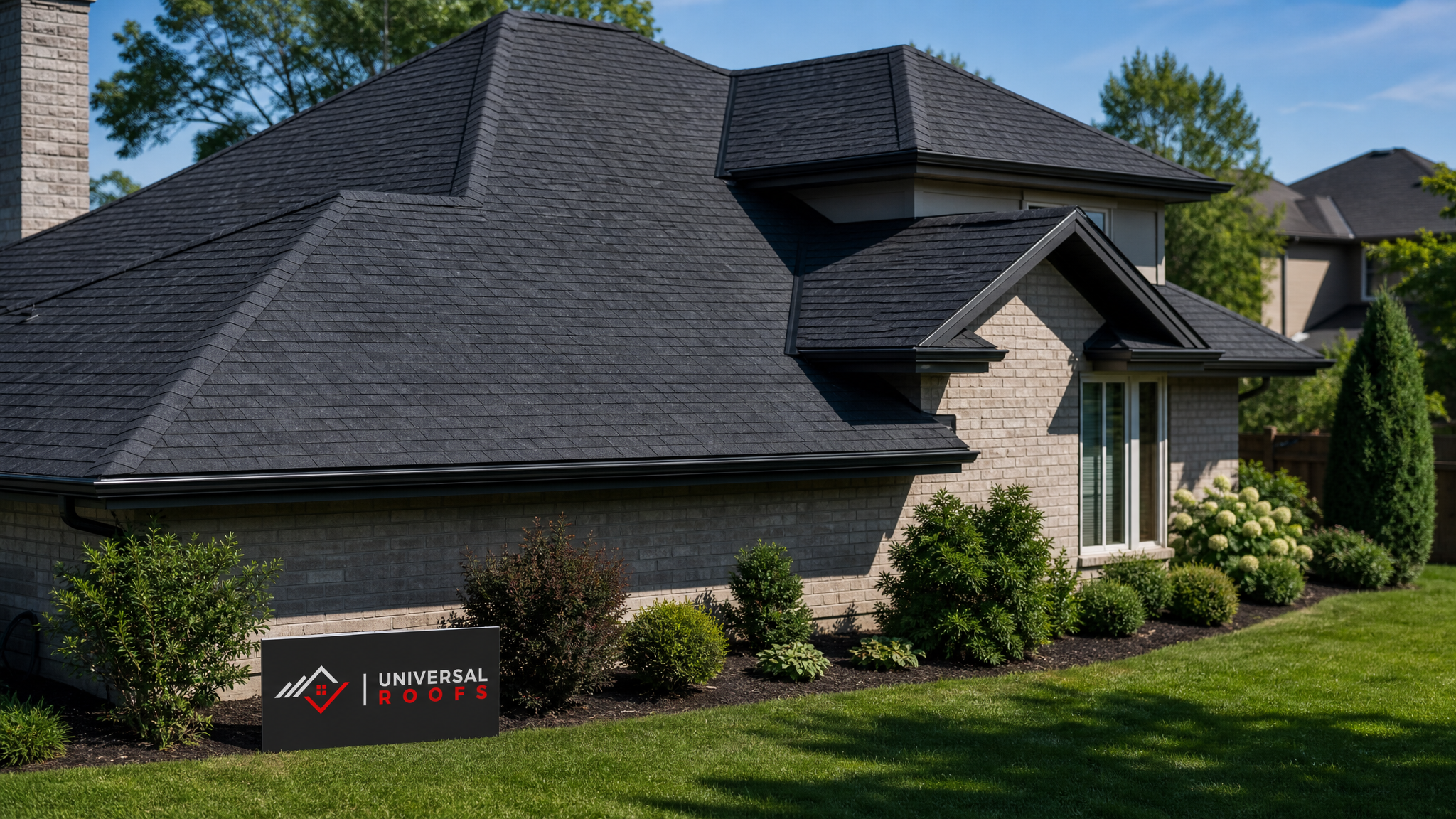
Why Roof Sealing Fails Before Its Time
Before comparing solutions, it helps to understand why so many roof sealing jobs fail early in the GTA climate. Toronto sees roughly 30 to 40 freeze-thaw cycles every winter. Water gets into a hairline crack, freezes, expands, and widens that crack by a fraction of a millimetre. Repeat that process forty times and even a well-applied sealant can eventually fail if it was never designed to flex with temperature swings.
Summer brings the opposite problem. UV radiation and surface temperatures that regularly exceed 60 degrees Celsius on a dark shingle roof break down lower-quality asphalt and rubber compounds, causing them to become brittle and crack. A sealing product that is not rated for both extremes will always underperform here, regardless of how carefully it is installed.
The most common causes of premature roof sealant failure we see during roof repair calls include:
- Applying sealant to a dirty, damp, or oxidized surface without proper cleaning or priming
- Using an exterior caulk rated for siding or windows instead of a roofing-grade product
- Sealing over an active leak instead of first locating and correcting the source
- Skipping reinforcement fabric at seams, flashing edges, and penetrations
- Applying sealant in temperatures below the manufacturer’s minimum cure threshold
With that context in mind, here are the five sealing solutions we consistently see deliver genuine long-term performance.
1. Silicone Roof Coatings for Flat and Low-Slope Roofs
Silicone roof coatings are, in our experience, the single most durable sealing solution available for flat roofing systems in the GTA. Unlike acrylic coatings, silicone does not soften and re-emulsify when it sits in ponding water, which makes it ideal for flat and low-slope roofs where drainage is never perfect.
A properly applied silicone coating forms a fully adhered, seamless membrane over the existing roof surface. It resists UV degradation extremely well, stays flexible through winter cold, and typically carries a 10 to 20 year manufacturer warranty when installed at the correct dry film thickness. The key is applying enough material, usually two coats totalling 1.5 to 2.0 dry mils, and reinforcing all seams, drains, and penetrations with polyester fabric embedded in the base coat.
Where silicone falls short is foot traffic durability and staining. It can become slippery when wet and tends to attract dirt over time, which is a cosmetic issue more than a performance one. For roofs with regular foot traffic for mechanical equipment servicing, we usually recommend a granulated cap sheet or a hybrid polyurethane topcoat in high-traffic zones only.
2. Modified Bitumen Torch-Down Sealing
For steeper-sloped flat sections and roofs that need maximum puncture resistance, modified bitumen (mod-bit) systems remain one of the most proven long-term sealing methods in the industry. The membrane itself is reinforced with fibreglass or polyester matting and modified with either APP (atactic polypropylene) or SBS (styrene-butadiene-styrene) polymers that give the material rubber-like flexibility even in deep winter cold.
Torch-applied seams, when done correctly by an experienced installer, fully fuse the overlapping membrane sheets into a single monolithic layer rather than relying on adhesive alone. This is what gives mod-bit its reputation for sealing integrity, there are no cold-applied seams to slowly separate over fifteen or twenty years of thermal cycling.
The tradeoff is installation risk. Torch-down application requires an open flame near a combustible substrate, so it must be handled by trained, insured professionals following proper fire-watch protocols. This is not a sealing method we would ever recommend as a DIY project.
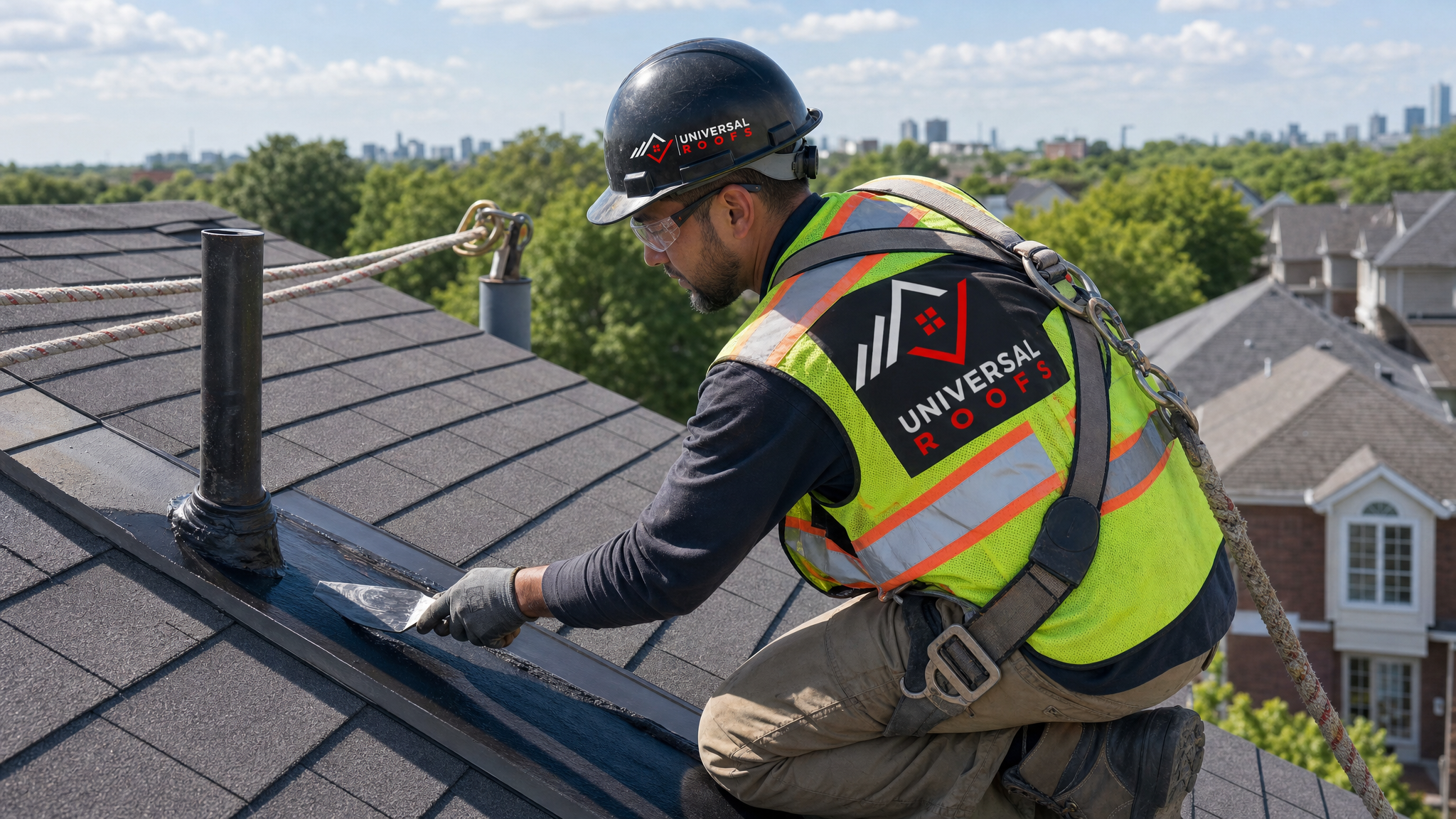
3. Rubberized Asphalt Flashing Sealant for Penetrations and Valleys
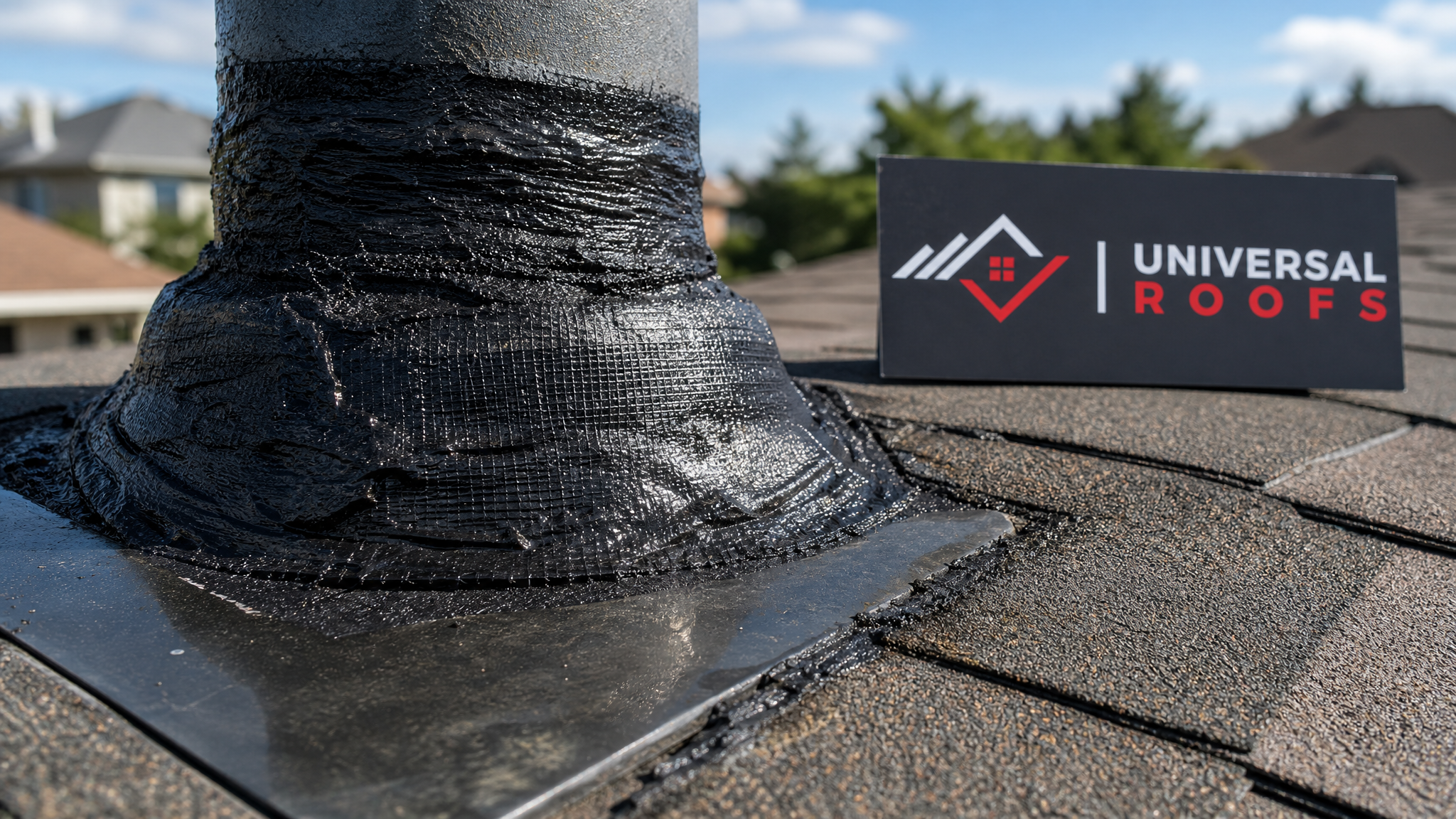
Roughly seven in ten leaks we diagnose during service calls originate at a penetration point, not across the open field of the roof. Chimneys, vent stacks, skylight curbs, and valley intersections are where shingles, flashing, and underlayment all meet, and that is exactly where rubberized asphalt flashing sealants earn their keep.
Quality rubberized asphalt sealants remain permanently flexible, bond aggressively to metal flashing, asphalt shingles, and most masonry surfaces, and resist UV breakdown far longer than standard roofing cement. Applied with a reinforcing fabric strip embedded into the first layer and a topcoat sealing the edges, this method has consistently held up in our post-repair inspections five, ten, even fifteen years later.
This is also the sealing method most relevant to homeowners dealing with skylight leaks, since skylight curb flashing is one of the highest-risk penetration points on any roof. If your skylight is original to the home and the flashing has started to separate, it is often more cost-effective to pursue full skylight replacement rather than repeatedly resealing ageing flashing.
4. Elastomeric Acrylic Coatings for Steep-Slope Shingle Roofs
For asphalt shingle roofs that are structurally sound but showing surface granule loss and minor cracking, elastomeric acrylic coatings offer a genuinely long-lasting sealing option at a lower cost than a full roof replacement. These water-based coatings cure into a rubber-like membrane that expands and contracts with the shingle substrate rather than cracking against it.
Acrylic coatings reflect a significant portion of solar radiation, which reduces attic heat gain in summer and can meaningfully extend shingle life by slowing further UV-driven brittleness. In the GTA’s climate, a quality acrylic coating with proper elongation ratings (150 percent or higher) will typically perform for 10 to 15 years before recoating is needed.
The caveat: acrylic coatings are not a fix for structural problems. If decking has rotted, if shingles are already curling and lifting at the edges, or if the roof has more than 20 percent granule loss, coating over the problem only delays a more expensive repair. A proper inspection should always precede a coating decision.
5. Butyl Rubber Sealant for Metal Roofing and Fasteners
Metal roofing has become increasingly common on GTA additions, garages, and modern custom builds, and it requires a different sealing approach entirely. Butyl rubber sealant is the gold standard here because it remains tacky and flexible indefinitely, never fully hardening the way silicone or polyurethane sealants eventually do.
This matters enormously at exposed fastener points, where metal panels expand and contract by several millimetres across a Toronto seasonal temperature swing that can range from minus 25 to plus 35 degrees Celsius. A rigid sealant will eventually crack at these movement points, while butyl rubber simply flexes with the metal indefinitely, maintaining a watertight seal for the full service life of the roof, often 40 years or more.
Butyl tape and gun-grade butyl sealant are also the preferred choice under standing seam ridge caps and at metal-to-metal lap joints, where a permanently pliable bond is essential to long-term sealing performance.
Comparing the 5 Long Lasting Roof Sealing Solutions
| Sealing Solution | Best For | Typical Lifespan | Relative Cost |
|---|---|---|---|
| Silicone roof coating | Flat and low-slope membranes | 10-20 years | Moderate |
| Modified bitumen torch-down | Flat and low-slope, high durability | 15-25 years | Moderate-High |
| Rubberized asphalt flashing sealant | Penetrations, valleys, skylight curbs | 10-15 years | Low |
| Elastomeric acrylic coating | Sound asphalt shingle roofs | 10-15 years | Low-Moderate |
| Butyl rubber sealant | Metal roofing and fasteners | 25-40 years | Low |
Signs Your Current Roof Sealant Is Failing
Knowing when to reseal, rather than waiting for water to appear inside the home, is what actually protects the building envelope long-term. Watch for these warning signs during a seasonal walk-around, ideally each spring and again in early autumn.
| Warning Sign | Likely Cause | Recommended Action |
|---|---|---|
| Chalky white residue on coating surface | UV breakdown of coating binder | Clean and recoat before next winter |
| Cracking along flashing edges | Sealant has hardened and lost flexibility | Remove and reapply rubberized flashing sealant |
| Bubbling or blistering in membrane | Trapped moisture beneath coating | Cut, dry, and patch affected area |
| Granule loss around vent stacks | Sealant has failed to bond to shingle surface | Reseal with fabric-reinforced patch |
| Ponding water lasting over 48 hours | Drainage slope inadequate for coating alone | Address drainage before resealing |
Preparing a Roof Surface for a Sealant That Actually Lasts
Surface preparation is, without exaggeration, the single biggest factor in how long any sealing solution lasts. We have seen premium silicone coatings fail within two years because the substrate was not properly cleaned, and we have seen budget rubberized sealants outperform expectations by a decade simply because the technician took the time to prepare the surface correctly.
A proper preparation sequence includes:
- Pressure washing to remove dirt, algae, and loose granules
- Allowing 24 to 48 hours of dry time before any product application
- Priming bare metal, masonry, or oxidized surfaces per manufacturer specification
- Cutting out and replacing any soft or deteriorated substrate before sealing over it
- Embedding polyester or fibreglass reinforcement fabric at all seams and penetrations
Skipping any one of these steps to save time on a job is the most common reason a homeowner ends up calling a contractor back within a year or two of a “completed” sealing job.
DIY Roof Sealing Versus Professional Application
Small, ground-level touch-ups, such as resealing a single vent boot on a bungalow, are within reach for a confident homeowner with the right product and proper safety precautions. However, most sealing projects involve working at height, handling materials that require precise mixing ratios or cure temperatures, and diagnosing whether the surface underneath is even suitable for sealing in the first place.
| Factor | DIY Approach | Professional Application |
|---|---|---|
| Surface diagnosis | Visual only, may miss hidden decay | Includes moisture scanning and core checks |
| Product selection | Limited to retail-grade options | Access to commercial-grade coatings and membranes |
| Warranty coverage | None or manufacturer product-only | Workmanship warranty plus product warranty |
| Safety equipment | Often inadequate for slope or height | Fall protection, harnesses, and insurance |
| Expected lifespan | 2-5 years typical | 10-25+ years depending on system |
If you are unsure which category your project falls into, a quick call to a licenced roofing contractor for an assessment is almost always worth the twenty minutes it takes. Our teams serve homeowners across Toronto, the Peel Region, York Region, Halton Region, and the Durham Region, and we are always happy to walk a homeowner through what we see during an inspection before recommending any sealing work.
How Attic Ventilation Affects Roof Sealant Longevity
An often-overlooked factor in roof sealant performance is what is happening underneath the deck, not on top of it. Poor attic ventilation traps heat and moisture against the underside of the roof deck, which accelerates shingle deterioration from below and can cause condensation that undermines even a well-applied sealant from the interior side.
Homes with balanced intake and exhaust ventilation, meaning soffit vents paired with ridge or roof vents in the correct ratio, consistently show slower sealant degradation in our post-installation inspections. If your attic regularly feels noticeably hot in summer or shows frost on the underside of the deck in winter, that ventilation imbalance is worth correcting alongside any sealing project, not after it.
Seasonal Timing for Roof Sealing in the GTA
Most sealing products have a manufacturer-specified application temperature range, typically between 10 and 35 degrees Celsius, with adequate cure time before rain or overnight dew. Late spring through early autumn, roughly May through September, gives Toronto homeowners the widest reliable weather window for a sealing project to cure properly before the first hard frost.
Given that it is currently summer, this is genuinely one of the better windows of the year to have a roof sealing project completed correctly, with warm, dry conditions that support proper adhesion and cure times across silicone, acrylic, and rubberized asphalt products alike. Waiting until late autumn increases the risk of a rushed application ahead of falling temperatures, which is one of the fastest ways to shorten the life of an otherwise good sealing product.
Whichever of these five long lasting roof sealing solutions fits your roof type, the underlying principle is the same: correct material selection, thorough surface preparation, and proper reinforcement at every seam and penetration are what separate a seal that lasts two seasons from one that lasts two decades. Read genuine feedback from homeowners across the GTA on our reviews page, or browse common questions on our FAQ page before booking an assessment.
What are the most long lasting roof sealing solutions revealed for GTA homes?
How long does a properly applied roof sealant actually last?
Can I seal my own roof instead of hiring a professional?
Why does roof sealant fail faster in Toronto than in milder climates?
Is roof sealing a substitute for full roof replacement?
What is the best time of year to have a roof sealed in the GTA?
Need Help With 5 Long Lasting Roof?
Whether your roof needs a targeted flashing reseal or a full silicone recoat, the team at Universal Roofs has spent nearly two decades matching the right sealing solution to the right roof across the GTA.
Call us today at (416) 732-2421 or request a free inspection to get started.
Universal Roofs proudly serves Toronto, Mississauga, Brampton, Vaughan, Markham, Oakville and the GTA since 2005.