
Wood shake roofs bring a warm, textured character to Toronto and GTA homes that few other roofing materials can match. But cedar shakes are organic material, and after 20 to 30 years of freeze-thaw cycles, humid summers, and shaded northern exposures, rot and decay are almost inevitable. The good news is that wood shake rot rarely means an all-or-nothing situation. In most cases, a homeowner has several realistic paths forward, from targeted shake replacement to full system upgrades, and choosing the right one depends on how far the decay has spread and what your budget and timeline look like.
In this guide we walk through the seven most effective solutions for wood shake roof rot and decay, how to tell which one applies to your roof, and what each option actually costs and accomplishes. We will also cover the underlying causes of shake decay specific to our climate, how to catch problems early, and when it makes more sense to move away from wood shakes entirely.
Whether you are dealing with a few soft, curling shakes on a north-facing slope or widespread decay across the whole roof, understanding these solutions will help you make a confident, cost-effective decision rather than guessing at a fix that will not hold up through another Toronto winter.
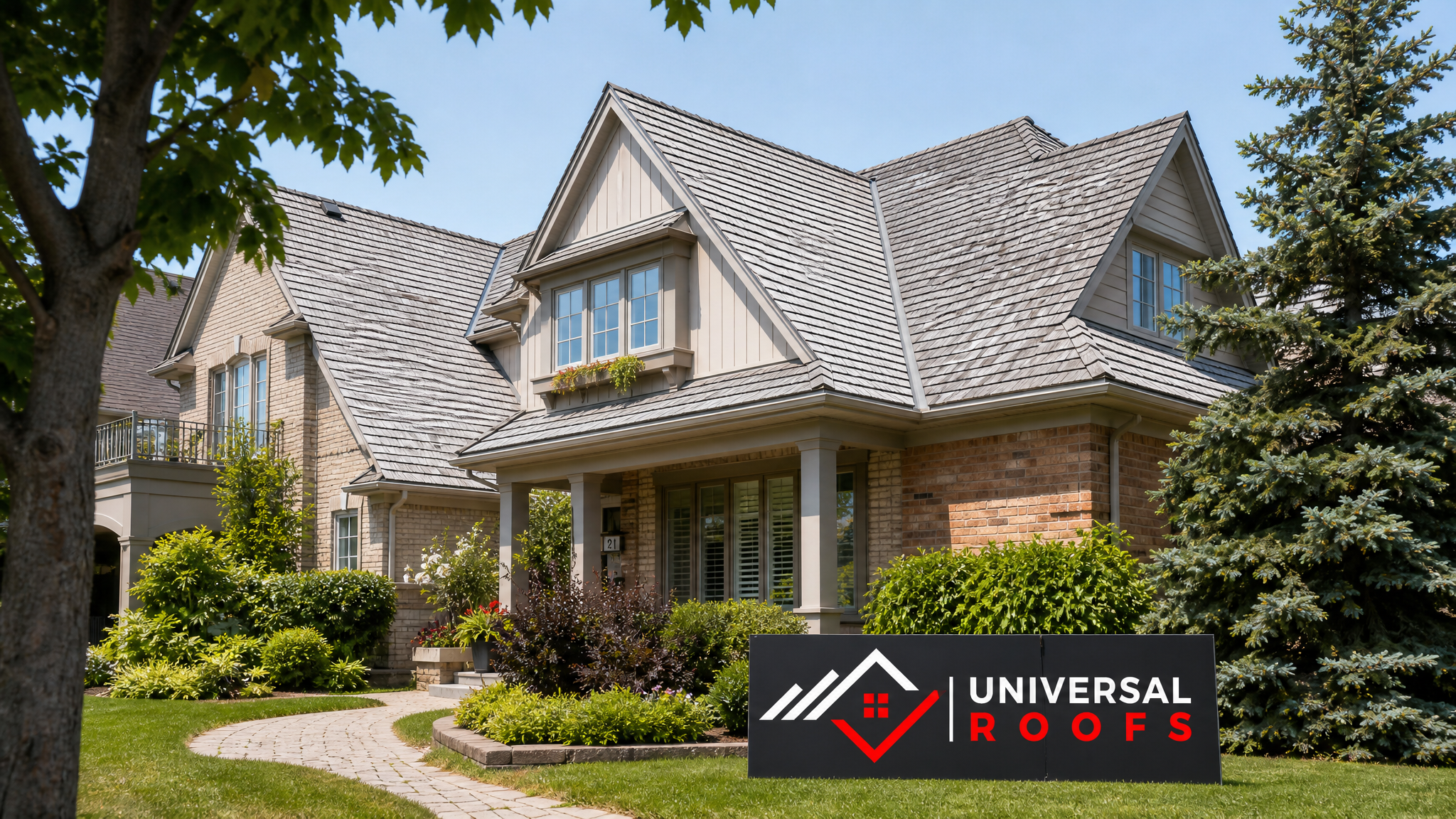
Why Wood Shake Roofs Rot and Decay in the GTA Climate
Cedar and other wood shakes are naturally resistant to rot thanks to their oils and tight grain, but that resistance fades over time, especially in a climate like ours. Toronto and the surrounding GTA see roughly 700 to 900 mm of precipitation per year, combined with dozens of freeze-thaw cycles each winter. Water gets into tiny cracks in aged shakes, freezes, expands, and widens those cracks. Over successive seasons, this mechanical damage opens the door for fungal decay to take hold.
Several conditions accelerate wood shake rot beyond normal aging:
- Poor attic ventilation, which traps moisture-laden air against the underside of the roof deck and shakes
- North-facing slopes and shaded areas under mature trees, where shakes stay damp longer after rain or snowmelt
- Moss and algae growth, which holds moisture against the wood surface
- Clogged eavestroughs that cause water to back up under the lowest courses of shakes
- Lack of periodic maintenance, such as cleaning, treating, or replacing individual damaged shakes as they appear
- Improper original installation, including insufficient spacing between shakes for expansion and drainage
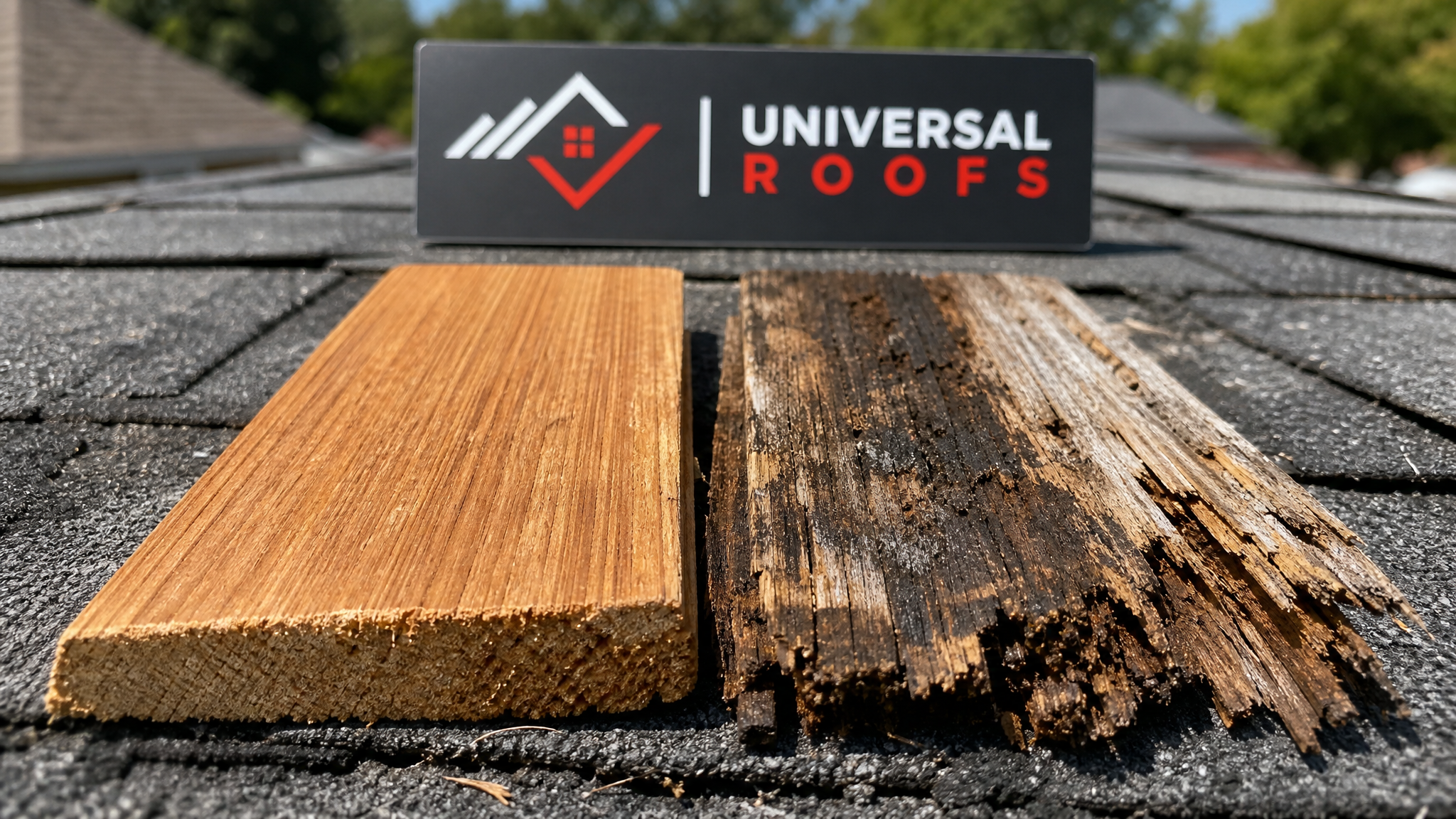
Left unaddressed, localized decay spreads to neighbouring shakes and eventually threatens the roof deck itself, where repairs become significantly more invasive and expensive. Recognizing the early signs, discolouration, soft or spongy texture, curling edges, visible moss, or daylight showing through the attic, is the first step toward choosing the right fix before the damage compounds.
Solution 1: Spot Replacement of Individual Rotted Shakes
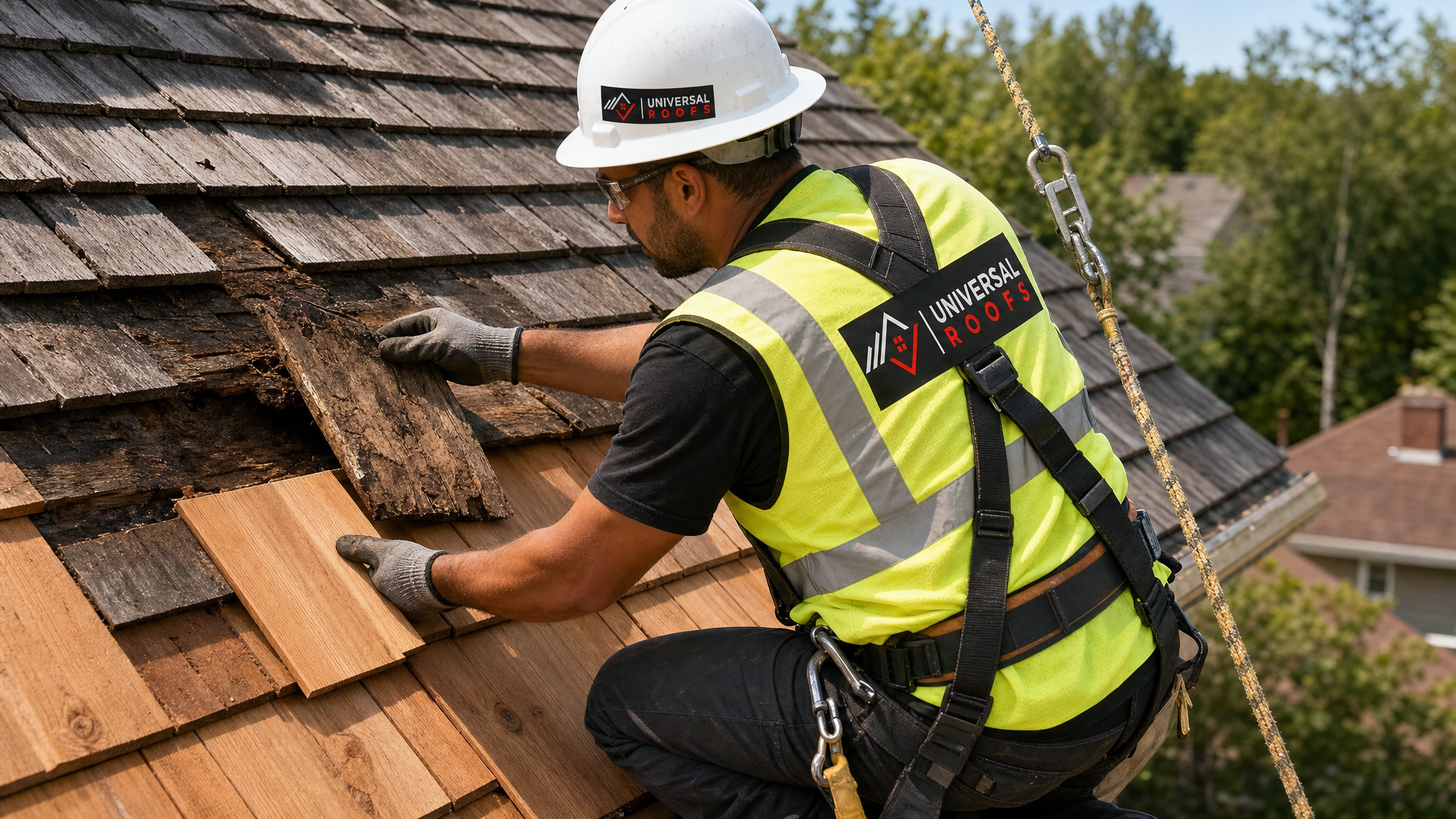
For roofs where decay is limited to a handful of shakes, spot replacement is the most cost-effective and least invasive of all the solutions for wood shake roof rot and decay. A qualified roofer removes only the damaged shakes, taking care not to disturb the surrounding courses, and slides in new, properly treated cedar shakes secured with corrosion-resistant fasteners.
This approach works best when:
- Fewer than 5 to 10 percent of the shakes on a given slope show decay
- The roof deck underneath is still sound and dry
- The remaining shakes are structurally healthy, just aesthetically mismatched in colour from weathering
Spot replacement typically takes half a day to a full day and can extend the usable life of a wood shake roof by several more years when combined with regular maintenance. It is often the first recommendation our team makes after a roof repair inspection identifies a small, contained decay pocket rather than a widespread problem.
Solution 2: Section or Slope Re-Shaking
When decay covers a larger area, such as an entire slope or a section that receives less sun exposure, spot replacement is no longer efficient. Section re-shaking replaces every shake across that portion of the roof while leaving the rest of the roof intact. This is a common recommendation for north-facing slopes in Toronto homes shaded by mature trees, where decay consistently outpaces the south-facing slope by several years.
Section re-shaking requires more labour than spot repair but far less than a full tear-off. Crews strip the affected section down to the underlayment or deck, inspect for hidden rot, replace any damaged sheathing, and install new shakes with proper spacing and fastening. This is also the ideal opportunity to correct ventilation issues specific to that section, since poor airflow is often the reason one slope decays faster than another.
Solution 3: Full Wood Shake Roof Replacement
Once decay has spread across most or all of the roof, or when the shakes are simply at the end of their natural lifespan (typically 25 to 30 years for cedar in our climate), a full roof replacement becomes the most reliable long-term solution. A complete tear-off allows for a full inspection and repair of the deck, installation of a modern synthetic or felt underlayment, and fresh, uniformly treated shakes or shingles installed to current best practices.
Full replacement is the right call when:
- Decay is present across multiple slopes, not just one shaded area
- The roof deck shows soft spots, sagging, or visible daylight from inside the attic
- Previous patch repairs have accumulated to the point of looking inconsistent or failing again within a year or two
- You are planning to sell the home and want a clean roof inspection report
While the upfront cost is higher than repair options, full replacement resets the clock and typically comes with a stronger workmanship warranty, giving homeowners peace of mind for decades rather than years.
Solution 4: Wood Preservative and Fungicide Treatment
For shakes that show early signs of decay, discolouration, minor softening, or moss growth, but have not yet failed structurally, a preservative and fungicide treatment can halt the progression and buy several more years of service life. This involves cleaning the roof surface to remove moss, algae, and debris, followed by application of a borate-based or oil-based wood preservative that penetrates the grain and inhibits fungal growth.
Treatment is not a permanent fix, and it will not restore shakes that have already rotted through, but it is one of the most affordable of all the solutions for wood shake roof rot and decay when caught early. Most manufacturers recommend reapplying preservative every 3 to 5 years as part of routine maintenance, particularly on slopes prone to shade and moisture retention.
Solution 5: Improving Attic Ventilation and Airflow
Many wood shake decay problems are not caused by the shakes themselves but by what is happening underneath them. Inadequate attic ventilation traps warm, moist air against the roof deck, especially during Toronto’s humid summers and again during winter when indoor heat rises and condenses against a cold underside of the roof deck. This chronic dampness accelerates rot from the inside out, sometimes faster than weather exposure does from the outside.
Correcting ventilation typically involves:
- Adding or clearing soffit intake vents so fresh air can enter the attic freely
- Installing or upgrading ridge vents to allow warm, moist air to escape at the peak
- Removing insulation that has been pushed into soffit areas, blocking airflow
- Verifying that bathroom and kitchen exhaust fans vent outside the attic, not into it
Improving ventilation alone will not fix shakes that have already rotted, but pairing it with spot repair or re-shaking dramatically extends the life of the new material and prevents the same decay pattern from recurring on the same slope.
Solution 6: Eavestrough and Drainage Corrections
Water that cannot drain away properly is one of the most common contributors to shake decay along roof edges, valleys, and lower courses. Clogged, undersized, or improperly sloped eavestroughs cause water to pool and back up under the bottom rows of shakes, keeping them saturated far longer than the rest of the roof. Over a few seasons, this creates a very predictable band of decay along the eaves, even when the rest of the roof looks perfectly healthy.
Correcting drainage issues includes:
- Cleaning eavestroughs at least twice a year, ideally spring and late fall
- Installing gutter guards to reduce debris accumulation from nearby trees
- Re-pitching eavestroughs that have sagged or shifted out of proper slope
- Adding or repairing drip edge flashing to direct water away from the fascia and into the gutter system
- Ensuring downspouts discharge well away from the foundation and do not contribute to ice damming at the eaves
This solution is frequently paired with spot or section shake replacement, since the underlying moisture problem must be fixed or the same rot pattern will simply return within a few years.
Solution 7: Transitioning to a More Durable Roofing Material
For homeowners who have dealt with repeated wood shake decay and are ready to move on from ongoing maintenance, transitioning to a more durable material during a full replacement is a practical long-term solution. Modern architectural asphalt shingles, engineered wood alternatives, and metal roofing all offer significantly longer service life with less susceptibility to rot, and many are designed to visually mimic the texture and character of traditional cedar shakes.
This option makes sense when:
- The home has experienced recurring decay across multiple sections over the years
- Heavy tree cover or shading makes ongoing moisture exposure unavoidable
- You want a material with a longer manufacturer warranty and lower long-term maintenance
- Insurance or resale considerations favour a more standard, widely recognized roofing material
A full material change is a bigger decision than any repair option, and it is worth a detailed conversation with a roofing professional about aesthetics, cost, and how the new material will integrate with the rest of the home’s architecture, particularly for character homes across Toronto’s older neighbourhoods where wood shakes are part of the original look.
How to Choose the Right Solution for Your Roof
With seven possible paths forward, the right choice comes down to three questions: how widespread is the decay, what is causing it, and what is your timeline. A roof with a few isolated soft shakes on an otherwise healthy roof calls for spot replacement and possibly a preservative treatment. A roof with concentrated decay on one shaded slope is a strong candidate for section re-shaking paired with ventilation improvements. A roof approaching 25 to 30 years old with decay spread across multiple slopes is usually better served by full replacement, either in wood shakes again or in a more durable material.
The table below summarizes how each solution matches up against common roof conditions, so you can get a sense of where your situation likely falls before booking an inspection.
| Roof Condition | Best-Fit Solution | Typical Timeline | Relative Cost |
|---|---|---|---|
| A few isolated rotted shakes | Spot replacement | Half a day to 1 day | Low |
| Decay concentrated on one slope | Section re-shaking | 1 to 3 days | Low to moderate |
| Early discolouration, no structural failure | Preservative and fungicide treatment | 1 day plus cleaning | Low |
| Decay concentrated along the eaves | Eavestrough and drainage correction | 1 to 2 days | Low to moderate |
| Recurring moisture damage from underside | Attic ventilation improvements | 1 to 2 days | Moderate |
| Widespread decay, roof near end of life | Full wood shake replacement | 3 to 7 days | High |
| Repeated decay history, want a change | Transition to a new material | 3 to 7 days | High |
Comparing Materials and Approaches Side-by-Side
If you are weighing whether to repair in wood again or move to a different material entirely, it helps to see how the common options stack up on the factors homeowners care about most: lifespan, maintenance demand, and how well each option performs against moisture, which is the root cause of shake decay in the first place.
| Material or Approach | Typical Lifespan (GTA Climate) | Maintenance Level | Moisture Resistance |
|---|---|---|---|
| Original cedar shakes (untreated, aged) | 20 to 30 years | High — regular cleaning and treatment | Low once aged |
| New cedar shakes (properly treated) | 25 to 35 years | Moderate to high | Moderate |
| Architectural asphalt shingles | 25 to 30 years | Low | High |
| Engineered composite shakes | 40 to 50 years | Low | Very high |
| Standing seam metal roofing | 50-plus years | Very low | Very high |
Warning Signs You Should Not Ignore
Early detection is what keeps a wood shake decay problem in the inexpensive-repair category rather than the expensive-replacement category. During a walk around your property, or from inside your attic on a bright day, watch for the following signs that decay may already be underway:
- Dark, discoloured, or black-streaked shakes, particularly on north-facing slopes or under tree cover
- Soft or spongy texture when gently pressed, a clear sign the wood fibres are breaking down
- Curling, cupping, or splitting shakes that no longer lie flat against the roof deck
- Visible moss or algae patches holding moisture against the surface
- Daylight visible through the roof deck from inside the attic, indicating full-thickness decay or missing shakes
- Water stains on attic sheathing or ceiling drywall below the affected area
- Granular debris or shake fragments collecting in the eavestroughs
If you notice any of these signs, it is worth scheduling a professional inspection sooner rather than later. Catching decay while it is still limited to a few shakes is what makes the least expensive solutions on this list, spot replacement and preservative treatment, viable options.
Typical Repair Timelines and What to Expect
Homeowners often ask how long a wood shake repair or replacement project will actually take once scheduled. While every roof is different, the table below gives a general sense of what to expect for planning purposes, including inspection, material lead time, and the on-roof work itself.
| Project Stage | Spot Repair | Section Re-Shaking | Full Replacement |
|---|---|---|---|
| Inspection and quote | Same day to 2 days | 2 to 3 days | 2 to 5 days |
| Material ordering and lead time | 1 to 3 days | 3 to 7 days | 7 to 14 days |
| On-roof labour | Half a day | 1 to 3 days | 3 to 7 days |
| Cleanup and final inspection | Same day | Same day | 1 day |
| Total project timeline | 1 to 5 days | 5 to 12 days | 10 to 25 days |
Preventing Wood Shake Rot Before It Starts
Prevention is always less expensive than repair, and a modest annual maintenance routine can add years to the life of a wood shake roof. A few habits make a meaningful difference over time:
- Schedule a professional roof inspection once a year, ideally in spring after winter freeze-thaw stress or in early fall before winter arrives
- Keep overhanging tree branches trimmed back to reduce shading and debris accumulation
- Clean moss and algae growth promptly using appropriate, roof-safe methods rather than pressure washing, which can damage shake surfaces
- Reapply wood preservative on the manufacturer’s recommended schedule, typically every 3 to 5 years
- Clean eavestroughs at least twice per year and check for proper drainage after heavy rain
- Verify attic ventilation is functioning correctly, especially after any insulation or exhaust fan work
- Address minor issues immediately rather than waiting, since a handful of shakes replaced today is far cheaper than a section re-shake next year
For homes with skylights integrated into a wood shake roof, it is also worth having the flashing and seals checked during the same inspection, since failed skylight flashing is a common secondary source of the moisture that accelerates shake decay nearby. Our skylights and skylight replacement services are often bundled with wood shake repairs for exactly this reason, since both issues frequently share the same root cause.
When to Call a Professional Roofing Contractor
While a homeowner can spot early warning signs, working safely at height on a wood shake roof, especially one with existing decay, is not a do-it-yourself project. Rotted shakes can conceal soft or unstable deck sections that will not support weight safely, and improper repairs can trap moisture rather than release it, making the problem worse. A qualified roofer will also know how to match new shakes to existing coursing and exposure so repairs blend in rather than creating an obvious patchwork.
Universal Roofs has served homeowners across the Toronto, Peel Region, York Region, Halton Region, and Durham Region since 2005, diagnosing and repairing wood shake decay on everything from century homes to modern custom builds. You can read what past clients have said on our reviews page, and browse common questions on our FAQ page before booking an assessment.
What are the best solutions for wood shake roof rot and decay?
Can rotted wood shakes be repaired instead of replacing the whole roof?
How long do cedar shake roofs last in Toronto’s climate?
Does poor attic ventilation cause wood shake decay?
Is wood preservative treatment enough to stop shake decay?
Should I replace my wood shake roof with a different material?
Need Help With 7 Best Solutions for?
Whether your wood shake roof needs a quick spot repair or a full assessment, Universal Roofs has the experience to diagnose the cause of the decay and recommend the most cost-effective fix for your home.
Call us today at (416) 732-2421 or request a free inspection to get started.
Universal Roofs proudly serves Toronto, Mississauga, Brampton, Vaughan, Markham, Oakville and the GTA since 2005.