
A sagging roofline is one of the most alarming things a homeowner can spot from the driveway. That gentle dip or wave along the ridge or over the garage isn’t a cosmetic quirk — it’s a structural symptom, and figuring out the best solution for roof sagging repair or replacement depends entirely on what’s causing the sag, how far it has progressed, and how the rest of your roof is holding up. In Toronto and across the GTA, decades of freeze-thaw cycles, heavy snow loads, and aging materials all conspire to stress roof framing in ways that eventually show up as visible dips.
The good news is that a sagging roof is rarely an emergency in the sense of “call someone tonight” — but it is always a “get it looked at soon” situation. The difference between a straightforward repair and a full roof replacement usually comes down to three things: the extent of structural damage, the age and condition of the existing roofing system, and whether the sag is isolated or spreading. This guide walks through how to diagnose a sagging roof, when repair makes sense, when replacement is the smarter investment, and what each path actually costs and involves for a typical GTA home.
We’ll also cover the warning signs that separate a minor issue from a serious one, how Toronto’s climate accelerates roof sagging, and the questions to ask before you sign off on any repair estimate. If you’re already seeing a dip and want a professional opinion, our roof repair team can assess the framing directly, but understanding the underlying causes first will help you have a much more informed conversation with any contractor.
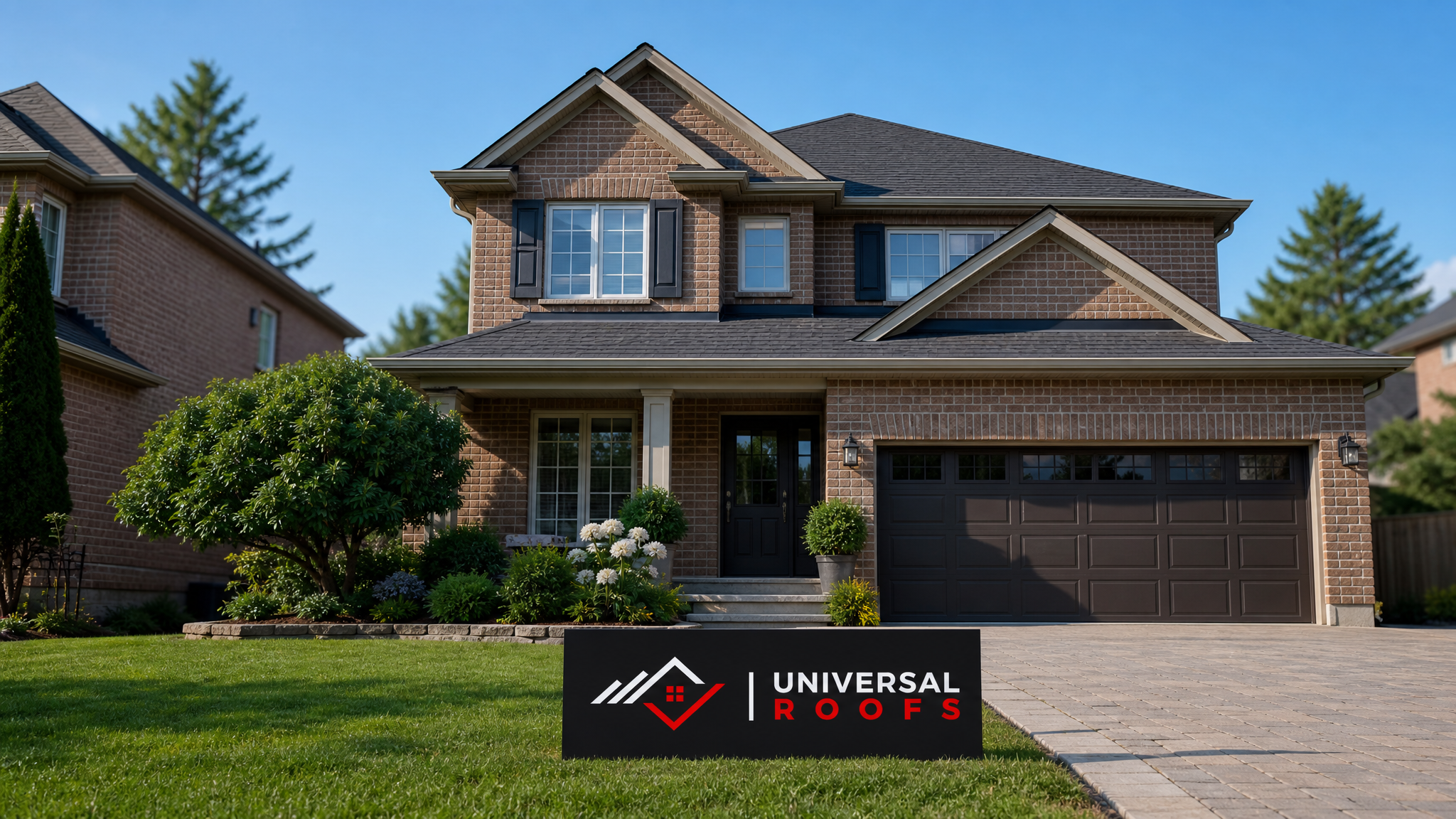
What Causes a Roof to Sag in the First Place
Roof sagging is almost always a structural issue, not a shingle issue. The roof deck and the framing underneath it — rafters, trusses, ridge beams, and the sheathing that ties them together — are designed to carry specific loads. When something compromises that system, gravity does the rest, slowly, over months or years.
The most common causes we see on GTA homes include:
- Undersized or aging rafters. Many homes built before the 1980s used rafter spans and lumber sizes that were adequate for the building codes of their era but are now considered marginal, especially once insulation and additional roofing layers add weight.
- Water damage and wood rot. A slow leak at a flashing point, valley, or skylight can soak framing members for years before a sag becomes visible. By the time you see the dip, the wood may already be significantly weakened.
- Excessive snow load. Toronto winters can dump heavy, wet snow that lingers on north-facing slopes. Ice damming compounds the problem by trapping meltwater against the roof edge, adding weight exactly where drainage is needed most.
- Too many roofing layers. Ontario building code allows a maximum of two layers of asphalt shingles, but older re-roofs sometimes exceed this, adding hundreds of extra kilograms across the roof deck.
- Improper truss modifications. Cut or notched trusses — often done during renovations to run ductwork or plumbing — remove load-bearing capacity that was never restored.
- Poor attic ventilation. Trapped moisture in the attic softens sheathing and framing over time, which is one reason a healthy attic ventilation system matters as much for structural longevity as it does for energy efficiency.
Identifying which of these is actually at play is the first step toward choosing the right fix. A sag caused by one rotted rafter is a very different job from a sag caused by systemic undersizing across the whole truss system.
Repair or Replacement: How to Tell Which One You Need
This is the question most homeowners actually want answered, and the honest response is: it depends on scope. Below is a practical framework for thinking through the best solution for roof sagging repair or replacement based on what an inspection typically reveals.
| Situation | Typical Recommendation | Why |
|---|---|---|
| Single rotted rafter or joist, localized sag under 2.5 cm | Targeted structural repair | Sistering a new rafter alongside the damaged one restores strength without disturbing the whole roof |
| Sag concentrated around a valley, chimney, or skylight | Repair the flashing and framing in that zone | The cause is usually localized water intrusion, not systemic weakness |
| Widespread sag across multiple trusses, roof over 20 years old | Full roof replacement | Aging shingles, worn decking, and structural fatigue typically overlap, making repair a short-term fix |
| Sag paired with visible daylight through the roof deck or soft spots underfoot | Replacement, likely with deck replacement | Structural sheathing has failed and can no longer be trusted to hold fasteners or loads |
| New sag appearing within 5 years of a previous re-roof | Investigation first, then targeted repair | Points to an installation defect, ventilation problem, or an undiagnosed leak rather than natural aging |
| Sag on a flat or low-slope section | Often replacement of that section | Ponding water accelerates deck failure on flat roofing systems faster than on sloped roofs |
As a general rule of thumb: if the sag is small, isolated, and the surrounding roofing material still has useful life left, repair is usually the more cost-effective and less disruptive choice. If the sag is spreading, the shingles are already near end of life, or the roof deck itself has soft or spongy sections, replacement almost always turns out to be the better long-term value — because a repair on a failing structure tends to become the first of several repairs rather than a final fix.
How a Structural Roof Repair Actually Works
When a licenced contractor determines that repair is the right call, the process typically follows these steps:
- Interior and attic inspection. Before touching the exterior, a contractor examines the attic to identify which rafters or trusses are affected, checks for moisture staining, and measures the deflection of the sag.
- Moisture and rot testing. A moisture meter and probing tool determine how far rot has spread into the wood. Surface staining doesn’t always mean the wood underneath is structurally compromised — but it needs to be confirmed, not assumed.
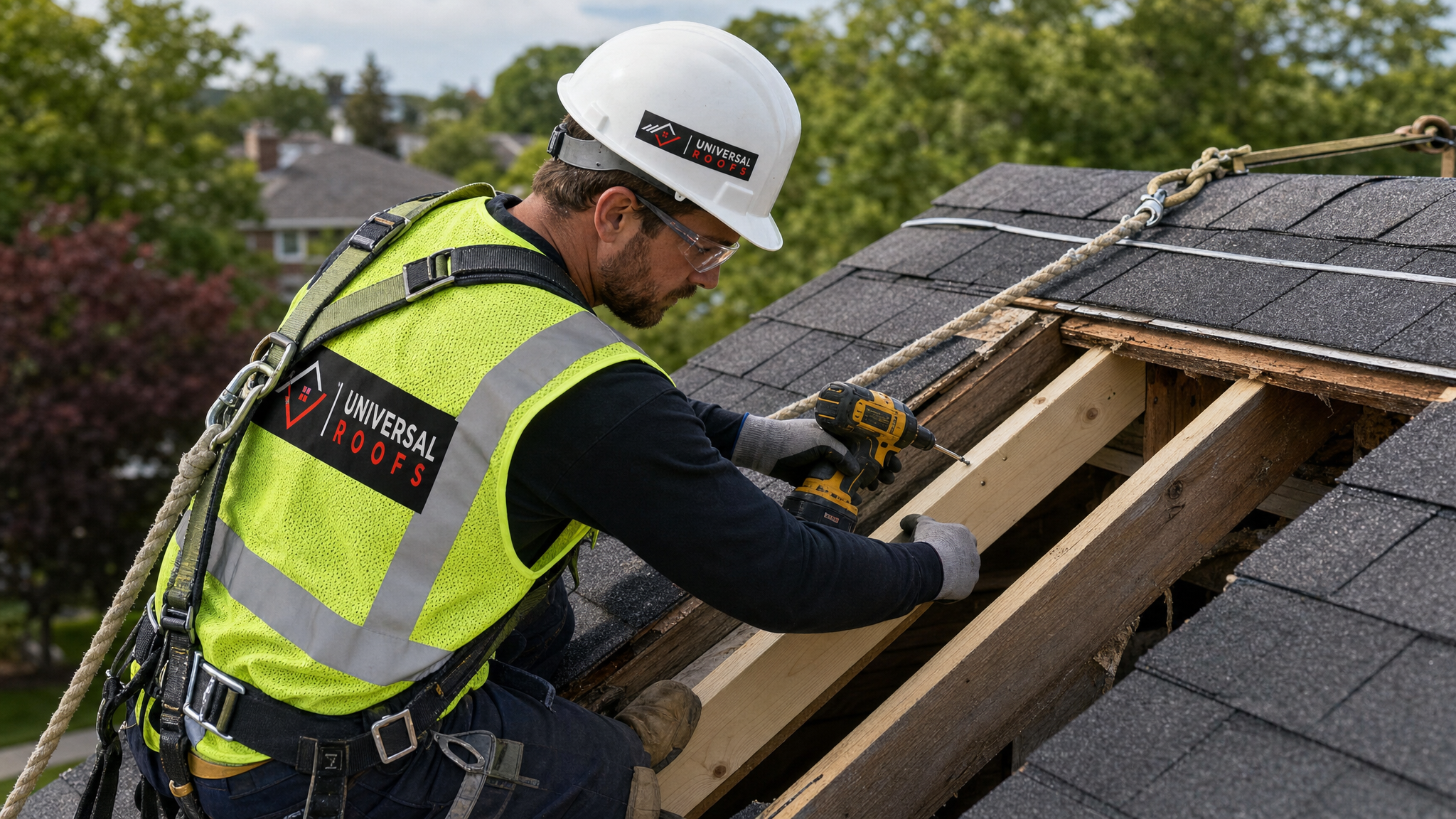
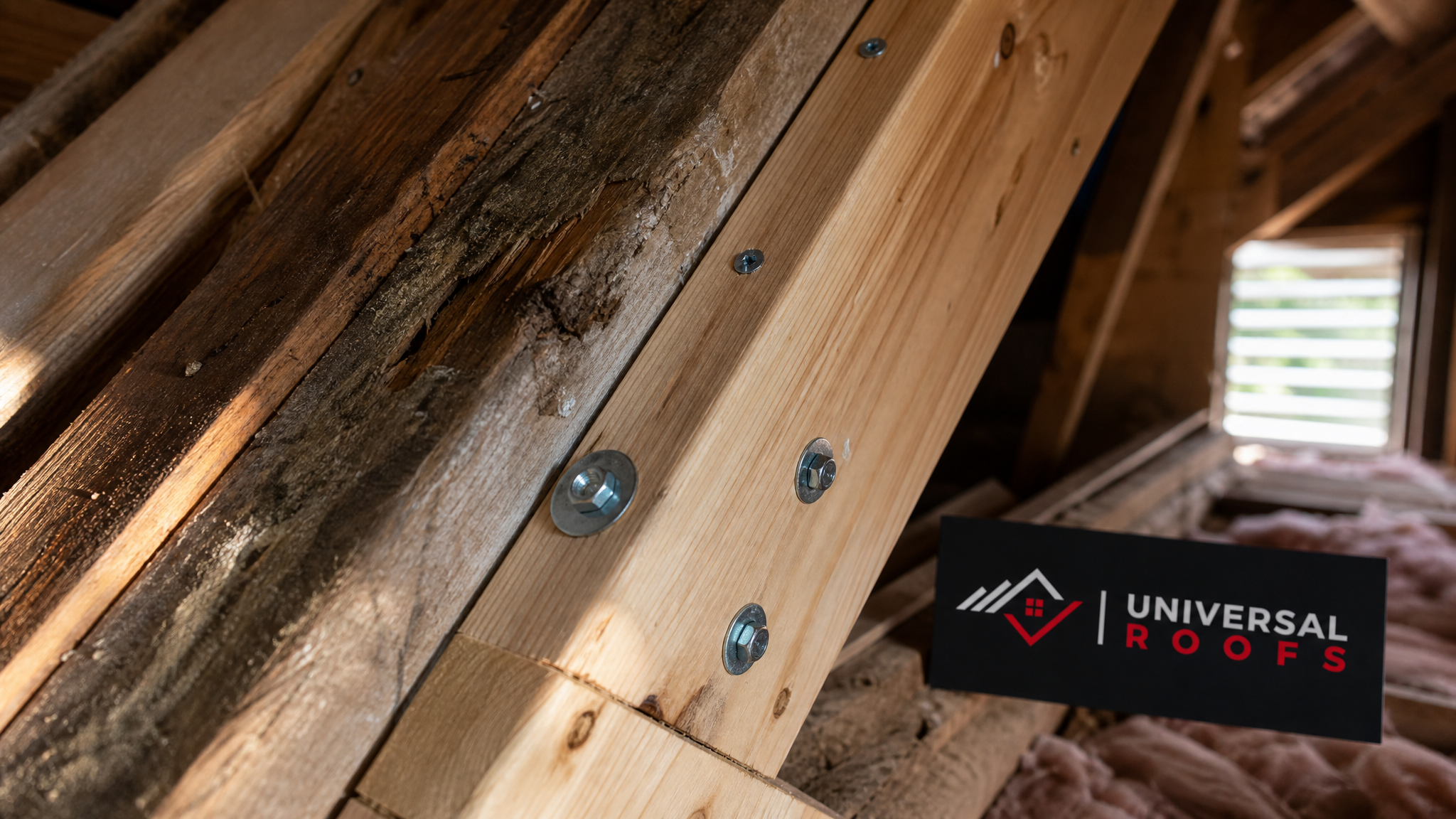
- Sistering damaged framing. The most common repair technique involves attaching a new, full-length rafter or joist (“sister”) directly alongside the damaged member, bolted or screwed through both pieces to share the load. This restores strength without a full tear-off.
- Correcting the source of the problem. If a leak caused the rot, the flashing, valley, or shingles above the damaged framing get repaired or replaced so the same problem doesn’t recur. If ventilation was the culprit, additional soffit or ridge venting may be added.
- Re-decking and reshingling the affected area. Once the structure is sound, the roof deck is patched or replaced over the repaired framing and shingles are matched as closely as possible to the surrounding roof.
- Follow-up inspection. A reputable contractor will check the repair after the first heavy rain or snow season to confirm it’s holding and no new deflection is developing.
This entire process, for an isolated sag, typically takes one to three days depending on access and the extent of interior damage. It’s a highly effective solution when the surrounding roof still has years of life left in it.
When Full Roof Replacement Is the Better Long-Term Fix
Replacement becomes the smarter path once the sag is a symptom of the whole system aging out, rather than one localized point of failure. A full roof replacement allows the contractor to remove all existing shingles and underlayment, inspect and replace every section of decking, correct any framing issues across the entire roof, and rebuild ventilation from scratch — all at once, rather than chasing one problem at a time.
Homeowners in the GTA typically move toward replacement when one or more of these conditions apply:
- The roof is already 20+ years old (past the practical lifespan of standard asphalt shingles in our climate)
- Sagging shows up in more than one location or along a long stretch of the roofline
- The attic shows widespread moisture staining, mould, or soft sheathing in multiple spots
- Previous patch repairs haven’t stopped the sag from progressing
- You’re also dealing with related issues like failing skylights, worn flashing, or inadequate insulation that make a coordinated overhaul more efficient than piecemeal fixes
Replacement is a bigger project and a bigger investment up front, but it resets the clock on the entire roofing system. For homes where the sag is really just the most visible symptom of broader wear, it’s usually the more economical choice over a 10 to 15 year horizon, since it avoids paying for repeated repairs on a structure that keeps deteriorating.
Cost and Timeline Comparison for the GTA
Costs vary based on roof size, pitch, access, and the extent of structural damage discovered once the roof is opened up, but the table below reflects typical ranges we see across Toronto, Mississauga, Brampton, Vaughan, and the wider GTA.
| Project Type | Typical Cost Range (CAD) | Typical Timeline |
|---|---|---|
| Localized rafter sistering + reshingling small section | $1,500 – $4,500 | 1 – 3 days |
| Flashing/valley repair causing localized sag | $800 – $2,500 | 1 day |
| Multi-rafter structural repair with partial re-decking | $4,500 – $9,000 | 3 – 5 days |
| Full asphalt shingle roof replacement (average detached home) | $9,000 – $18,000 | 2 – 4 days |
| Full replacement with structural framing correction | $14,000 – $25,000+ | 5 – 8 days |
| Flat or low-slope roof section replacement | $7,000 – $15,000 | 2 – 4 days |
These figures are general ranges, not quotes — the only way to know your actual cost is a hands-on inspection. But they’re useful for budgeting purposes and for sanity-checking any estimate you receive. If a quote for “repair” comes in near full replacement pricing, that’s usually a sign the contractor has found (or suspects) more extensive damage than initially assumed, and it’s worth asking for a detailed explanation of what’s driving the cost.
Warning Signs You Shouldn’t Ignore
A visible dip in the roofline is the most obvious sign of sagging, but it’s rarely the first one. Catching the problem earlier, before it progresses to a visible sag, gives you far more flexibility in choosing repair over replacement. Watch for:
- Interior ceiling cracks or new drywall seams opening up, especially on the top floor
- Doors and windows on the top floor sticking or becoming harder to close, which can indicate frame movement
- A “bouncy” or spongy feeling when walking across the attic floor
- Visible light coming through the roof deck when standing in a dark attic
- Sagging or bulging drywall on ceilings directly below the affected roof area
- Shingles that appear uneven or wavy from the street, even before a structural dip is visible
- A musty smell in the attic, which often signals trapped moisture long before rot becomes visible
If you notice any of these signs, it’s worth scheduling an inspection well before the sag becomes visually obvious from the curb. Early intervention is almost always cheaper and less invasive.
How Toronto’s Climate Accelerates Roof Sagging
The GTA’s climate is particularly hard on roof framing compared to milder regions. Winters bring heavy, wet snow loads that can sit on a roof for weeks, and the freeze-thaw cycle that runs from late fall through early spring repeatedly expands and contracts moisture trapped in wood, shingles, and sheathing. Ice damming — where melting snow refreezes at the eaves and backs water up under the shingles — is one of the single biggest contributors to hidden rot in Toronto homes, and it can affect roofs that otherwise look to be in good shape from the ground.
Summer brings its own stress in the form of intense UV exposure and rapid temperature swings between hot days and cool nights, which accelerates the breakdown of asphalt shingles and the sealants around flashing points. That’s actually one of the best reasons to have a roof inspected during the summer months: warm, dry weather makes it far easier and safer for a contractor to walk the roof, test flashing, and check attic ventilation without the complications that come with ice, snow, or wet conditions. If you’ve noticed a dip developing over the winter, mid-summer is a good window to get a definitive answer before the next snow season adds more load.
What a Proper Roof Inspection Should Include
Not every inspection is equal, and a rushed drive-by assessment can miss the underlying cause of a sag entirely. A thorough inspection for suspected sagging should include:
| Inspection Step | What It Reveals |
|---|---|
| Attic walk-through with moisture meter | Locates rot, active leaks, and areas of elevated humidity |
| Visual survey of rafters/trusses from below | Identifies cut, notched, undersized, or deflecting framing members |
| Exterior roofline survey (ground and ladder) | Confirms the location, extent, and direction of visible sagging |
| Flashing and valley inspection | Checks for the most common sources of hidden water entry |
| Ventilation assessment (soffit, ridge, gable vents) | Determines whether trapped moisture is contributing to deck or framing decay |
| Shingle age and wear assessment | Establishes whether the roofing material itself is near end of life |
A contractor who skips the attic walk-through and only looks at the roof from the ground is not giving you the full picture. Since the framing is the actual source of a sag, any credible assessment has to include a direct look at it, not just an inference from the exterior.
Related Issues Worth Addressing at the Same Time
If your roof is already open for repair or replacement, it’s efficient to address related components while the crew has access, rather than paying for a second mobilization later. Common add-ons include:
- Skylight resealing or replacement — aging skylight flashing is a frequent source of the leaks that cause hidden rot. If yours is original to the home, it’s worth having it assessed alongside the roof itself, and our skylight replacement team can coordinate this in the same visit.
- New skylight installation — some homeowners use a roof replacement as the opportunity to add a skylight where there wasn’t one before; our skylights page covers the options available.
- Attic insulation upgrades — improving insulation alongside ventilation work reduces the freeze-thaw cycling that contributes to future sagging.
- Gutter and eavestrough work — poor drainage at the roofline is a major contributor to ice damming, which in turn contributes to structural rot.
Bundling these into one project typically costs less than tackling them separately and reduces the number of times contractors need to access your roof.
Choosing a Contractor for Structural Roof Work
Sagging repair and replacement both involve structural work, which means the stakes for hiring the right contractor are higher than for routine maintenance. Before signing any contract, confirm:
- The contractor carries appropriate licencing and insurance for structural roofing work in Ontario
- They physically inspect the attic and framing, not just the exterior shingles
- The estimate distinguishes clearly between cosmetic repair and structural correction
- They can explain, in plain language, what caused the sag — not just how they plan to fix it
- They offer a warranty on structural repairs, not only on shingles or materials
It’s also worth reading through reviews from other homeowners who’ve had similar structural work done, and checking our FAQ page for answers to common questions about the inspection and repair process. A contractor who’s confident in their diagnosis should have no issue walking you through their reasoning and showing you the specific damage in your attic. You can also learn more about our team and how we approach structural roofing assessments across the Toronto, Peel Region, York Region, Halton Region, and Durham Region service areas.
Frequently Asked Questions
What is the best solution for roof sagging, repair or replacement?
Can a sagging roof be repaired without full replacement?
How much does roof sagging repair cost in Toronto?
What causes a roof to sag in the first place?
Is a sagging roof dangerous?
How do I know if my roof needs replacement instead of repair?
Need Help With What Is the Best?
A sagging roof is a solvable problem, but it’s not one to guess about. Whether the right answer for your home is a targeted structural repair or a full roof replacement, Universal Roofs can inspect the framing directly and give you a clear, honest recommendation backed by decades of experience across the GTA.
Call us today at (416) 732-2421 or request a free inspection to get started.
Universal Roofs proudly serves Toronto, Mississauga, Brampton, Vaughan, Markham, Oakville and the GTA since 2005.