
If you are refinancing your mortgage in Toronto this summer, your lender is going to look at more than your credit score and your income statements. They are going to look at your roof. A roof inspection important for mortgage refinancing might sound like an odd pairing at first, but ask any homeowner who has been asked to produce a satisfactory home inspection report before closing, and you will hear the same story: the roof is one of the first things an appraiser or underwriter flags.
Lenders care about roof condition because the roof protects the collateral behind your loan. A home with a failing roof is a home that can lose value quickly, develop water damage, or become uninsurable. Whether you are refinancing to access equity, lower your interest rate, or consolidate debt, a roof inspection is often the difference between a smooth approval and a stalled file sitting on an underwriter’s desk.
In this guide, we will walk through exactly why lenders request roof inspections during refinancing, what inspectors are looking for, how roof age and condition affect your loan-to-value ratio, what it costs, and what to do if your inspection turns up problems. We will also cover the Toronto-specific realities of freeze-thaw cycles, ice damming, and older housing stock that make this step even more important locally than it might be elsewhere.
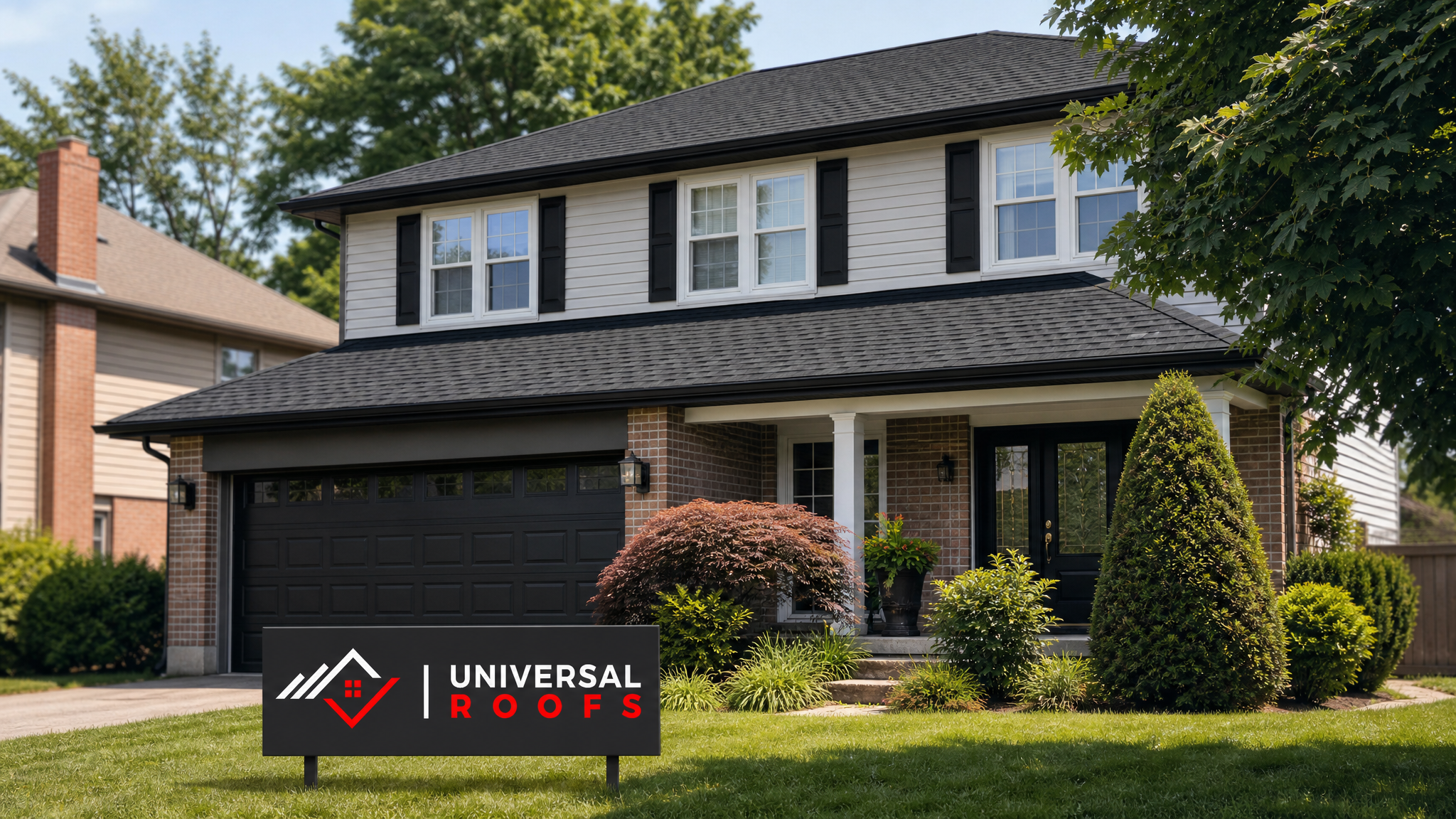
Why Lenders Require a Roof Inspection Before Refinancing
When you refinance, you are not just adjusting your payment terms. You are asking a lender to re-underwrite the loan against the current value and condition of your home. The roof is one of the single largest components of a house’s replacement value, and it is also the component most likely to fail catastrophically without warning. A lender who approves a refinance on a home with a compromised roof is taking on real risk: if that roof fails within a year or two, the home’s value drops, insurance claims can complicate the title, and the collateral backing the loan is weakened.
Most conventional and insured mortgage products in Canada require that a home be in “good, marketable condition.” Appraisers are trained to flag visible roofing issues such as missing shingles, sagging rooflines, moss growth, or visible water stains on interior ceilings. If the appraiser flags a concern, the lender will typically require a full roof inspection report from a licenced contractor before they will fund the refinance. This is especially common when:
- The home is older than 20 years and the roof’s install date is unknown
- The appraisal notes visible wear, curling shingles, or moss/algae staining
- You are switching lenders and the new lender has stricter underwriting standards
- You are increasing your loan amount significantly (cash-out refinance)
- The home is in a higher-risk category, such as a flat roof or a house with a rooftop deck
In short, the roof inspection is a risk-management tool for the lender, but it can also protect you. A clean report is proof that your biggest asset is sound, and it often speeds up your closing rather than slowing it down.
What a Mortgage-Related Roof Inspection Actually Covers
A roof inspection for refinancing purposes is more detailed than a quick visual glance. A qualified inspector, ideally the same team that would perform your roof repairs if needed, will typically evaluate:
- Shingle or membrane condition — cracking, curling, granule loss, blistering, or punctures
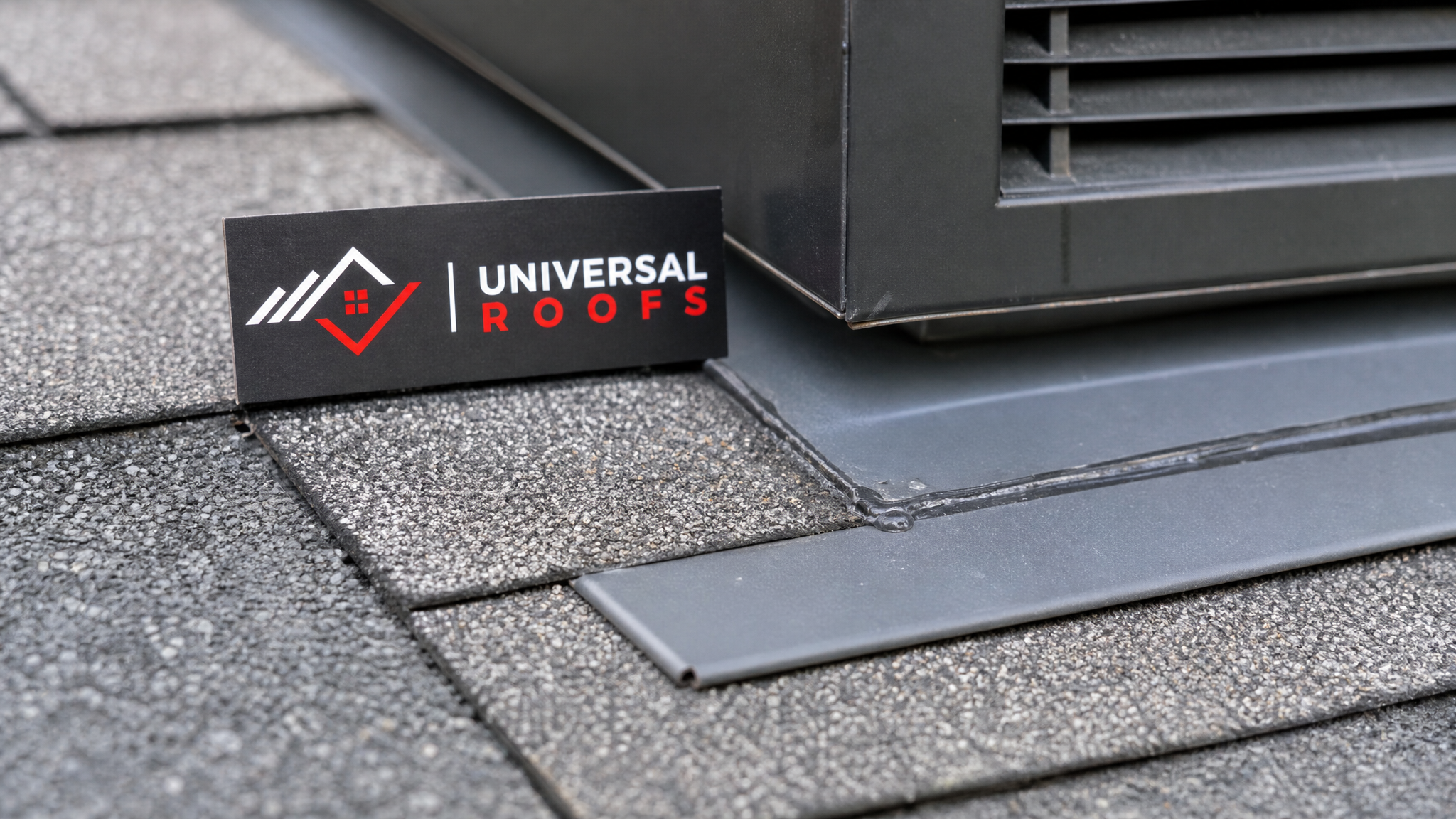
- Flashing around chimneys, vents, and skylights, where most leaks originate
- Remaining service life — an estimate of how many years the roof has left
- Structural sagging in the roof deck, which can indicate water damage or truss issues
- Attic ventilation and insulation, since poor airflow accelerates shingle failure and drives ice damming
- Gutter and downspout condition, since clogged or damaged drainage contributes to fascia and soffit rot
- Evidence of prior repairs, including patch quality and whether permits were pulled where required
For homes with skylights, inspectors also check seal integrity, since a failing skylight seal is one of the most common sources of a “mystery leak” that shows up on an appraisal as a ceiling stain. If your home has skylights nearing 15-20 years old, it is worth reviewing our skylight replacement guidance before your lender asks about it.
Roof Age, Remaining Life, and Loan-to-Value Ratio
Lenders think in terms of remaining useful life, not just current condition. A 15-year-old asphalt shingle roof with a 20-25 year lifespan might pass an inspection today, but if it only has 3-5 years of life left, some lenders will require either a holdback (funds set aside until the roof is replaced) or proof of a replacement plan before closing.
| Roof Type | Typical Lifespan | Lender Comfort Threshold | Common Refinancing Condition |
|---|---|---|---|
| 3-tab asphalt shingles | 15-20 years | Under 15 years old | Usually passes without conditions |
| Architectural/laminate shingles | 20-30 years | Under 20 years old | Usually passes; older roofs may need inspection report |
| Flat/membrane roofing | 15-25 years | Under 15 years old | Often requires inspection regardless of age |
| Metal roofing | 40-60 years | Under 30 years old | Rarely flagged unless visible damage |
| Cedar shake | 20-30 years | Under 15 years old | Frequently flagged due to fire/moisture risk in older installs |
If your roof falls outside the “comfort threshold” column, that does not mean your refinance is doomed. It means you should expect the lender to request a written inspection report, and possibly a quote for roof replacement so they can calculate an accurate post-repair loan-to-value ratio. Homes with flat roofing, which is common on additions, garages, and some commercial-style residential builds across the GTA, are inspected closely because membrane roofing has a narrower margin for error than sloped shingle roofs; our flat roofing team frequently gets called in specifically for these pre-refinance assessments.
How Toronto’s Climate Shapes What Inspectors Look For
The GTA’s climate is genuinely tough on roofing. Winters bring repeated freeze-thaw cycles that force water into small cracks, freeze, expand, and widen them over a single season. Ice damming, where melted snow refreezes at the eaves and backs up under shingles, is one of the leading causes of hidden water damage that never shows up until an inspector gets on the roof or into the attic. Summers bring intense UV exposure and heat that accelerates shingle granule loss and membrane cracking on flat roofs.
This means a roof inspection important for mortgage refinancing purposes in Toronto is not just a formality; it is a legitimate check against a climate that actively degrades roofing materials faster than in milder regions. An inspector working across Toronto, Peel Region, York Region, Halton Region, and Durham Region will know the local building stock well: post-war bungalows with original roof decking, 1980s-90s subdivisions nearing their second or third re-roof, and newer builds where workmanship quality varies by builder.
Cost of a Pre-Refinancing Roof Inspection
Homeowners are often surprised that a roof inspection is one of the cheapest parts of the entire refinancing process, especially relative to the amount of money it can protect or unlock.
| Service | Typical Cost Range (CAD) | Turnaround Time | When It’s Required |
|---|---|---|---|
| Standard visual roof inspection | $150 – $350 | Same day to 2 days | Most refinances on homes 10+ years old |
| Detailed inspection with written report | $300 – $600 | 2-4 business days | Lender-mandated documentation |
| Attic and ventilation assessment add-on | $100 – $200 | Same visit | When ice damming or moisture is suspected |
| Drone/aerial roof survey | $150 – $300 | 1-2 business days | Steep-slope or hard-to-access roofs |
| Full appraisal-style report with photos | $400 – $750 | 3-5 business days | Cash-out refinances, jumbo mortgages |
Compare that few hundred dollars against the cost of a refinance falling through, a rate hold expiring, or being forced into an emergency roof replacement mid-transaction, and the inspection quickly pays for itself. Many homeowners choose to schedule an inspection proactively, before their lender even asks, simply to have documentation ready.
What Happens If the Inspection Finds a Problem
Finding an issue during a pre-refinance roof inspection is common and rarely fatal to the transaction. Lenders typically respond in one of a few predictable ways, depending on the severity of what the inspector documents.
| Inspection Finding | Likely Lender Response | Typical Homeowner Action | Estimated Timeline to Resolve |
|---|---|---|---|
| Minor wear, cosmetic granule loss | Approve with no conditions | Note for future maintenance | None required |
| Localized damage (few missing shingles, minor flashing gap) | Approve conditional on repair | Schedule targeted roof repair | 1-3 days |
| Active leak or attic moisture damage | Hold funding pending repair proof | Repair and re-inspect | 3-10 days |
| Roof near end of service life | Require holdback or replacement quote | Get a roof replacement estimate | 1-2 weeks for quote; 2-5 days to install |
| Structural sagging or deck failure | May decline until fully remediated | Full structural roof repair or rebuild | Varies, often 1-3 weeks |
The key point is that most findings are fixable on a timeline that still fits within a typical refinance closing window, especially if you book the inspection early rather than waiting until the week before your rate hold expires. A same-day repair for a few loose shingles or a resealed flashing joint can turn a conditional approval into a clean one within days.
Roof Inspections and Home Insurance: The Overlap Lenders Care About
There is a second, closely related reason roof condition matters during refinancing: insurability. Most lenders in Ontario require proof of adequate home insurance as a condition of funding, and insurers have become increasingly strict about roof age and condition, particularly after several years of costly wind and hail claims across Southern Ontario. An insurer may decline coverage, apply a higher premium, or exclude water damage coverage on a roof they consider high-risk. If your insurance falls through because of roof condition, your refinance falls through with it, regardless of your credit or income.
This is why many mortgage brokers now recommend the roof inspection as one of the very first steps in a refinance file, even before a full appraisal is scheduled. It lets you get ahead of both the lender’s underwriting requirements and your insurer’s renewal conditions at the same time.
What to Ask Your Roofing Contractor Before the Inspection
Not every inspection report is written the way a lender expects. If you are booking an inspection specifically for a refinance, be clear with your contractor about the purpose. A good contractor will:
- Provide a written report with photos, not just a verbal summary
- Estimate remaining service life in years, not just “good” or “bad”
- Note the roofing material, approximate age, and any prior repairs
- Flag anything an appraiser is likely to notice from the ground or from photos
- Include attic and ventilation notes if accessible, since these affect long-term durability
- Provide a repair or replacement quote alongside the report if issues are found
It is also worth asking whether the same company can turn around any needed repairs quickly, since juggling multiple contractors on a tight closing timeline adds unnecessary risk to your file.
How to Prepare Your Roof Before Refinancing
If you know a refinance is coming up in the next few months, a little preparation goes a long way toward a clean inspection result.
- Clear the gutters so water is not pooling or backing up under the shingle edge
- Trim overhanging branches that scrape shingles or drop debris onto the roof
- Check the attic yourself for daylight, staining, or musty odours before the inspector arrives
- Address small repairs early, such as a lifted shingle or a gap around a vent boot
- Keep receipts and warranty paperwork from any past roofing work, since documented maintenance history favours your case with underwriters
- Book the inspection early in your refinance timeline rather than reactively, once your lender’s underwriter flags a concern
Homeowners who take these steps typically move through underwriting without a single roof-related condition attached to their approval. It is a small amount of effort relative to the size of the loan being refinanced.
DIY Roof Check vs. Professional Inspection
Some homeowners try to do a preliminary check themselves with binoculars from the ground or by walking the attic. This can help you spot obvious red flags, but it is not a substitute for a professional inspection when a lender is involved, since underwriters generally require a report from a licenced contractor, not a homeowner’s own assessment.
- A homeowner can check for obvious missing or curling shingles from the ground
- A homeowner can check the attic for daylight, staining, or insulation displacement
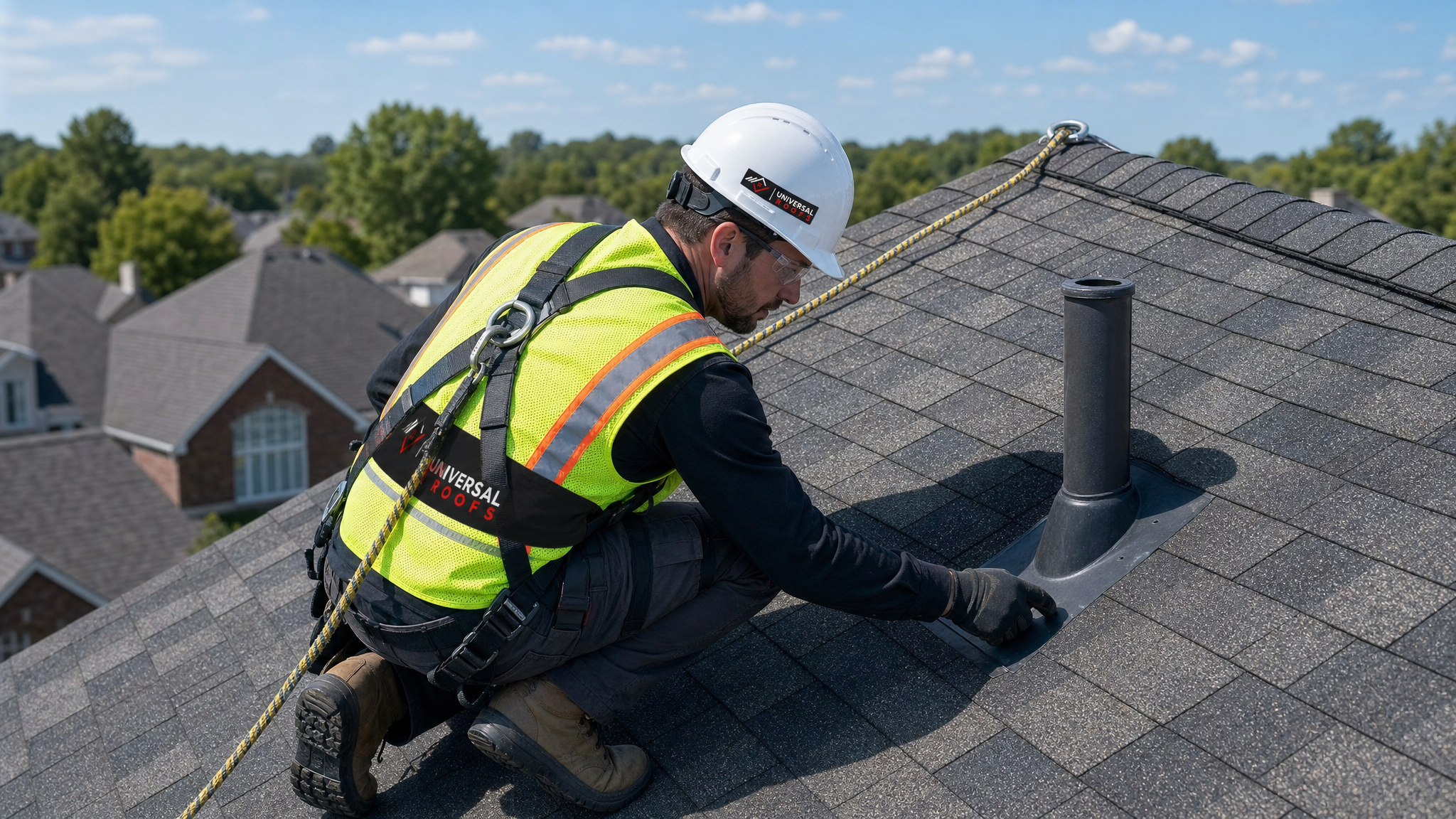
- A professional can safely access steep or high roofs with proper fall protection
- A professional can assess flashing, membrane seams, and structural deck condition up close
- A professional can produce the documented report format lenders and insurers require
If you are uncertain whether your roof will pass scrutiny, it is worth scheduling a professional look before your lender’s timeline forces the issue. You can also review recent customer reviews or check our FAQ page for more detail on how our inspection process works, or learn more about our company and the neighbourhoods we serve.
Common Roof Issues That Delay Refinancing
A handful of recurring issues account for most of the roof-related delays we see in refinance files across the GTA. Recognizing them ahead of time can save you weeks of back-and-forth with your lender.
- Unpermitted or DIY repairs that an inspector cannot verify meet code
- Moss and algae growth on north-facing slopes, which appraisers often flag even when the shingles underneath are sound
- Ice dam staining on interior ceilings near exterior walls, a telltale sign of attic ventilation problems
- Skylight leaks misdiagnosed as roof leaks, which require a targeted seal or flashing repair rather than a full re-roof
- Sagging on flat roof sections over additions or garages, often from ponding water and membrane fatigue
Most of these are inexpensive to correct once identified. The real cost comes from discovering them late in the process, after an appraisal has already been submitted and the underwriter is waiting on a resolution.
Working With the Right Team for a Refinance-Ready Roof
Because a refinance inspection has to satisfy a lender, not just your own curiosity, it helps to work with a contractor who understands both the roofing side and the documentation side of the process. Since 2005, our team has produced inspection reports that mortgage brokers, appraisers, and underwriters across the GTA recognize and accept, and we can typically turn around any flagged repairs fast enough to keep a closing date intact.
Why is a roof inspection important for mortgage refinancing?
How old can a roof be and still qualify for refinancing?
Will a bad roof inspection stop my refinance from closing?
Who pays for the roof inspection during refinancing?
Does home insurance also depend on the roof inspection?
How quickly can roof problems found during inspection be fixed?
Need Help With Why Is Roof Inspection?
A roof inspection important for mortgage refinancing does not need to be a source of stress. With the right documentation in hand, most homeowners move through underwriting without a single roof-related condition slowing them down. Universal Roofs has been producing lender-ready inspection reports and fast turnaround repairs across the region for nearly two decades.
Call us today at (416) 732-2421 or request a free inspection to get started.
Universal Roofs proudly serves Toronto, Mississauga, Brampton, Vaughan, Markham, Oakville and the GTA since 2005.