
If you own a metal roof anywhere in the Greater Toronto Area, rust is not a hypothetical problem — it is a countdown. Between lake-effect humidity, road salt carried on the wind from major highways, freeze-thaw cycles every winter, and summer thunderstorms that leave standing moisture on low-slope sections, GTA metal roofs face some of the harshest corrosion conditions in the country. The good news is that rust resistant coatings for metal roofs can add 10 to 20+ years of service life to an existing roof for a fraction of the cost of a full replacement, provided you choose the right product and apply it correctly.
This guide breaks down the coating systems that actually hold up in Toronto’s climate, how they compare on cost and longevity, the prep work that determines whether a coating succeeds or fails within two years, and the warning signs that tell you it is time to call a professional rather than reach for a paint roller. We have coated, patched, and replaced metal roofs across Toronto, Mississauga, Brampton, Vaughan, Markham, Oakville, and the surrounding GTA since 2005, and the patterns below reflect what we consistently see in the field.
Whether you are managing a standing-seam residential roof, a corrugated steel garage or workshop roof, or a commercial metal deck, the fundamentals of rust prevention are the same: stop the moisture, stop the abrasion, and give the steel a sacrificial or barrier layer that outlasts the elements.
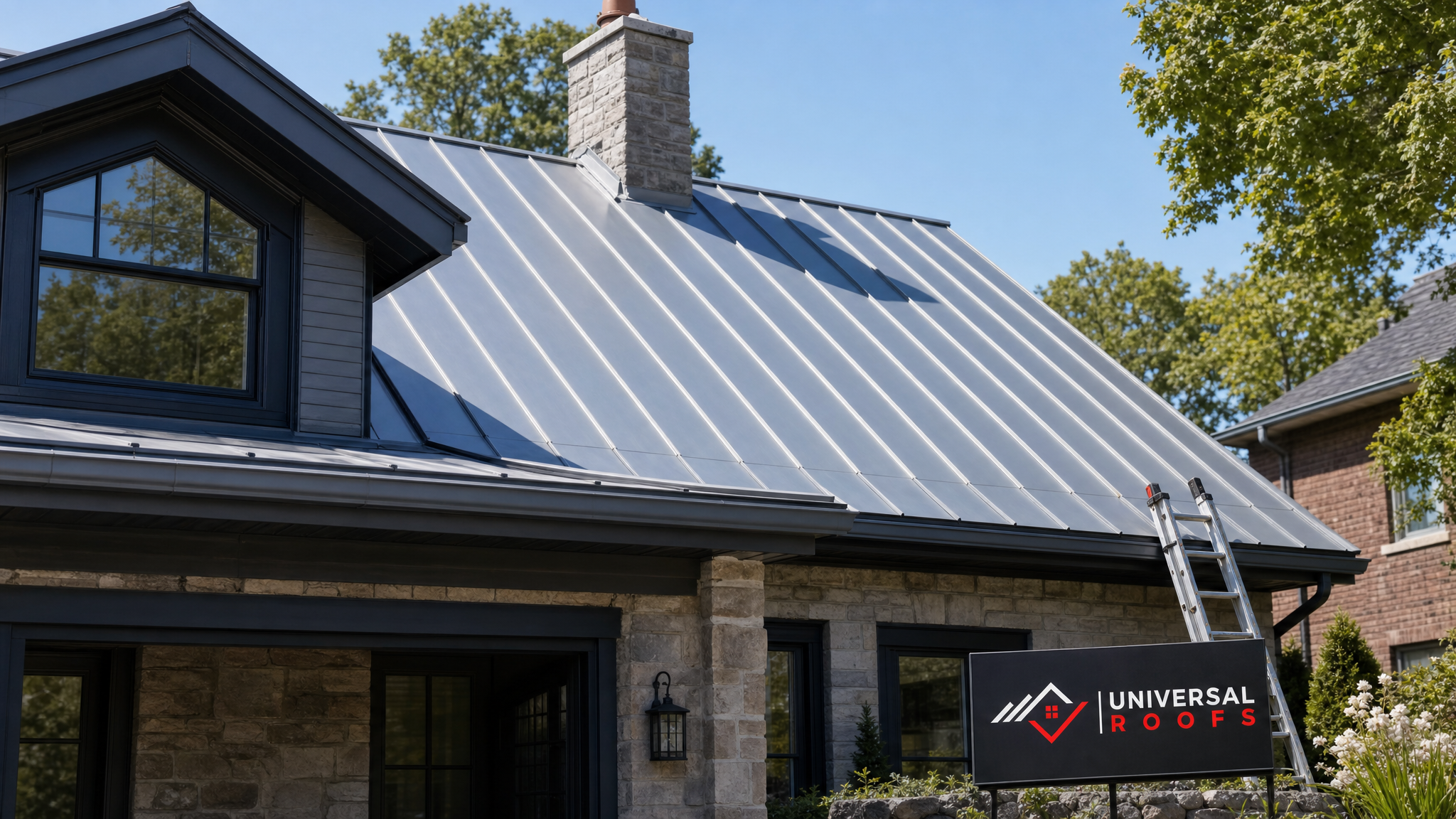
Why Metal Roofs Rust Faster in the GTA Climate
Rust, or iron oxide, forms when bare or exposed steel reacts with oxygen and moisture. On its own that reaction is slow. But the Greater Toronto Area layers on several accelerants that most manufacturers’ warranty tests don’t fully account for.
First is the freeze-thaw cycle. Toronto winters swing above and below freezing dozens of times per season. Water that seeps into a scratched coating, a fastener hole, or a seam expands as it freezes, widening the breach each time it thaws and refreezes. By the time spring arrives, a pinhole scratch from October can be a visible rust bloom.
Second is airborne road salt. Homes near the 401, 400, QEW, and Gardiner corridors see salt-laden spray carried by wind, especially in the winter months when municipal crews are salting heavily. Chloride ions are aggressive corrosion accelerants and they settle on roof surfaces just as readily as on vehicles.
Third is humidity and condensation. Southern Ontario summers bring high humidity, and poorly ventilated attics trap warm, moist air against the underside of the roof deck. If your attic ventilation is inadequate, condensation can rust a metal roof from the inside out — a failure mode many homeowners never think to check until the damage is already extensive.
Finally, mechanical wear from ice, hail, and windblown debris chips away at factory finishes over time, exposing bare metal at fastener heads, panel edges, and flashing transitions long before the rest of the roof shows its age.
How Rust Resistant Coatings Actually Work
All rust resistant coatings for metal roofs fall into one of three functional categories, and understanding the difference helps you choose the right one instead of the most heavily marketed one.
Barrier coatings physically seal the metal from oxygen and moisture. Acrylic, silicone, and polyurethane elastomeric coatings work this way — they form a continuous, flexible membrane over the panel. Their success depends entirely on maintaining an unbroken film; any pinhole, crack, or thin spot becomes a corrosion starting point.
Sacrificial (galvanic) coatings use a more reactive metal, typically zinc, that corrodes preferentially and protects the steel underneath even where the coating is scratched. Cold-galvanizing compounds and zinc-rich primers fall into this category and are the reason factory-galvanized steel resists rust so well even with surface damage.
Inhibitive coatings use chemical additives — often zinc phosphate, zinc chromate alternatives, or epoxy-mastic formulations — that passivate the steel surface, slowing the oxidation reaction chemically rather than purely mechanically. These are frequently used as a primer coat beneath a topcoat rather than as a standalone system.
Most professional-grade systems combine at least two of these mechanisms: a zinc-rich or epoxy-mastic primer for sacrificial or inhibitive protection, followed by an acrylic, silicone, or polyurethane topcoat for UV resistance, flexibility, and a finished colour that matches the rest of the roof.
Comparing the Top Rust Resistant Coating Systems
No single coating is best for every roof. The right choice depends on your roof’s slope, existing finish, budget, and how many years of life you are trying to extend. The table below compares the systems we recommend most often for GTA metal roofs.
| Coating System | Protection Type | Typical Lifespan | Best Use Case |
|---|---|---|---|
| Acrylic elastomeric | Barrier (UV-stable, reflective) | 8-12 years | Residential standing-seam and corrugated roofs, cool-roof upgrades |
| Silicone elastomeric | Barrier (superior ponding-water resistance) | 15-20 years | Low-slope metal roofs and areas with poor drainage |
| Zinc-rich (cold galvanizing) primer | Sacrificial/galvanic | 10-15 years as primer layer | Rusted fasteners, cut edges, welded seams, repair spot-priming |
| Epoxy-mastic primer + polyurethane topcoat | Inhibitive + barrier | 15-25 years combined system | Commercial metal roofs, industrial buildings, heavy exposure sites |
| Modified bitumen / rubberized asphalt coating | Barrier (thick, self-healing) | 10-15 years | Older galvanized roofs with widespread surface rust |
For most homeowners with a residential steel or aluminum roof, a zinc-rich spot primer at fastener heads and seams followed by a full-surface acrylic or silicone topcoat delivers the best balance of protection and cost. Commercial property owners with larger, flatter roof areas tend to see better long-term value from the epoxy-mastic and polyurethane combination, particularly where the roof also functions similarly to a flat roofing system with pooling concerns.
Surface Preparation: The Step Homeowners Skip and Regret
Industry data consistently shows that coating failures are overwhelmingly a prep problem, not a product problem. A premium silicone coating applied over loose rust, mill scale, or contaminated metal will peel within a single winter. A modest acrylic coating applied over properly prepared steel can outperform it by a decade.
Proper preparation for rust resistant coatings for metal roofs generally follows this sequence:
| Step | What It Involves | Why It Matters | Typical Timeframe |
|---|---|---|---|
| 1. Roof wash | Low-pressure wash to remove dirt, pollen, and loose debris | Contaminants prevent proper coating adhesion | Half a day |
| 2. Rust removal | Wire brush, grinding wheel, or media blasting on active rust spots | Coating over active rust traps corrosion beneath the film | 1-2 days depending on roof size |
| 3. Degreasing | Solvent wipe-down on oily or heavily soiled panels | Oil residue causes coatings to bead and fail to bond | Half a day |
| 4. Fastener and seam repair | Replace or re-seat popped screws, reseal seams and flashing | Loose fasteners are the most common re-rust point | 1 day |
| 5. Spot priming | Zinc-rich or epoxy primer applied to bare or repaired metal | Provides sacrificial or inhibitive protection before topcoat | 1 day, plus cure time |
| 6. Full-surface primer/topcoat application | Roller, brush, or airless sprayer application in 2 coats | Builds the continuous barrier film across the whole roof | 1-3 days depending on weather |
Weather windows matter as much as the process itself. Most coating manufacturers specify a minimum surface temperature (commonly 10°C) and a maximum humidity threshold, along with a dry-cure window with no rain forecast. In the GTA, that generally means late spring through early autumn is the reliable coating season — which makes July an ideal time to schedule this work while conditions are stable and roofs are fully dried out from spring rains.
Cost Breakdown: What Coating a Metal Roof Actually Costs in the GTA
Coating costs vary with roof pitch, access difficulty, degree of existing rust, and the system chosen. The figures below reflect typical ranges we see across Toronto and the surrounding regions, all costs in Canadian dollars per square metre of roof area.
| Coating System | Material + Labour Cost (per m²) | Added Prep Cost for Heavy Rust | Cost vs. Full Metal Roof Replacement |
|---|---|---|---|
| Acrylic elastomeric | $8 – $14 | $3 – $6 per m² | 20-30% of replacement cost |
| Silicone elastomeric | $12 – $20 | $3 – $6 per m² | 25-35% of replacement cost |
| Zinc-rich primer (spot application) | $4 – $8 | $2 – $5 per m² | Usually paired with a topcoat, not standalone |
| Epoxy-mastic + polyurethane system | $18 – $28 | $4 – $8 per m² | 35-45% of replacement cost |
For context, a typical detached-home metal roof in the 150-220 m² range often lands in the $2,500-$6,000 total project range depending on the system and condition of the substrate, versus tens of thousands for a full roof replacement. That gap is exactly why coating makes financial sense as long as the underlying panels and structure are sound. If the steel has rusted through in multiple spots rather than just surface-corroded, coating is a temporary patch at best, and replacement becomes the more responsible long-term investment.
DIY Coating vs. Hiring a Professional
Coating a small, accessible, low-slope garage or shed roof is within reach for a confident DIYer with the right safety equipment. A full residential or commercial metal roof is a different matter, and here is why most homeowners choose to bring in a professional crew.
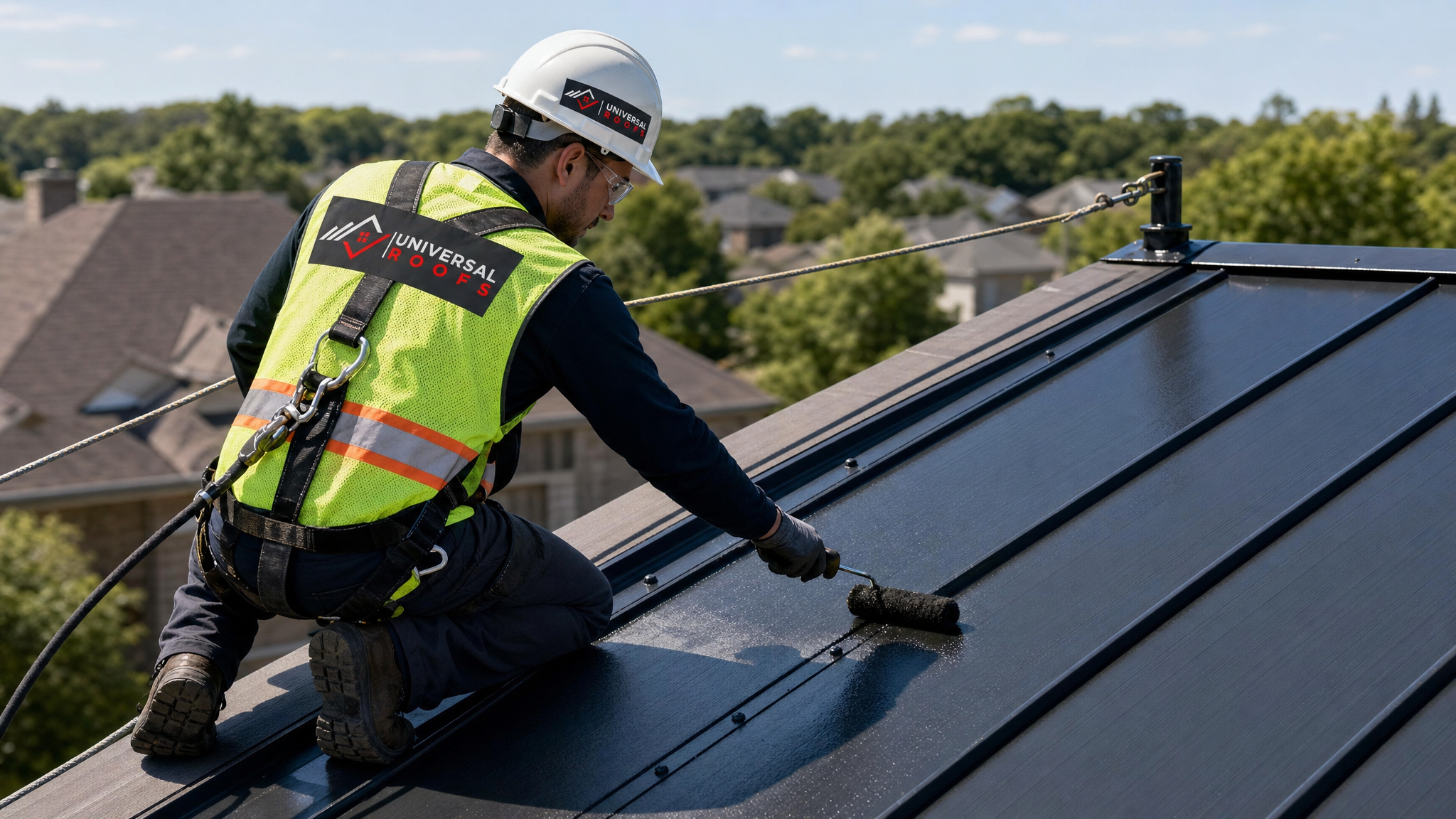
Steep-slope metal roofs are dangerously slick even when dry, and become far more hazardous when wet with cleaning solution or fresh coating. Professional crews work with fall-protection harnesses, roof anchors, and safety ropes as standard practice — not optional extras. Improper footing on a coated steel roof is one of the most common sources of serious fall injuries reported in residential roofing work.
There is also a quality-control gap. DIY applications frequently under-apply coating thickness, miss fastener heads and seam laps entirely, or apply a topcoat over rust that was never properly removed. Professional applicators use wet-film thickness gauges and follow manufacturer spread rates precisely, which is the difference between a coating that lasts 15 years and one that fails in three.
Finally, most manufacturer warranties on rust resistant coatings for metal roofs require documented professional installation to remain valid. A DIY application, even a careful one, can void coverage that would otherwise protect you against premature failure.
Signs Your Metal Roof Needs a Rust Resistant Coating Now
Coating works best as a preventive or early-intervention measure rather than a last resort. Watch for these signs that it’s time to act:
- Small orange-brown spotting appearing at fastener heads or panel laps
- Chalking or fading of the factory finish, which signals the topcoat is breaking down and no longer shedding water effectively
- Visible scratches or scuffs from ice, hail, or debris that have exposed bare metal
- Streaking or staining running down from seams after rainfall
- A roof age of 10-15+ years with the original factory coating still in place
- Recent storm damage, including hail dents, that may have compromised the existing finish
If you notice any of these signs, or you are simply unsure of your roof’s condition, it is worth arranging a professional assessment before the next winter freeze-thaw cycle does more damage. A trained eye can often spot the difference between cosmetic surface rust and structural corrosion that needs more than a coating.
Coating a Metal Roof With Skylights or Roof Penetrations
Metal roofs with skylights, vents, or other penetrations need extra attention during coating projects, since these are historically the most common rust and leak starting points. Flashing around a skylight installation is typically a different metal or finish than the surrounding roof panels, which can create galvanic corrosion if dissimilar metals are in direct contact with moisture present.
If your skylight flashing shows rust staining or gaps, it often makes more sense to address the flashing and seal first — sometimes through a skylight replacement if the unit itself is failing — before coating the surrounding roof panels. Coating over a leaking penetration only traps the moisture problem under a fresh layer of paint, and the rust will return, usually worse, within a season or two.
Maintaining a Coated Metal Roof Year After Year
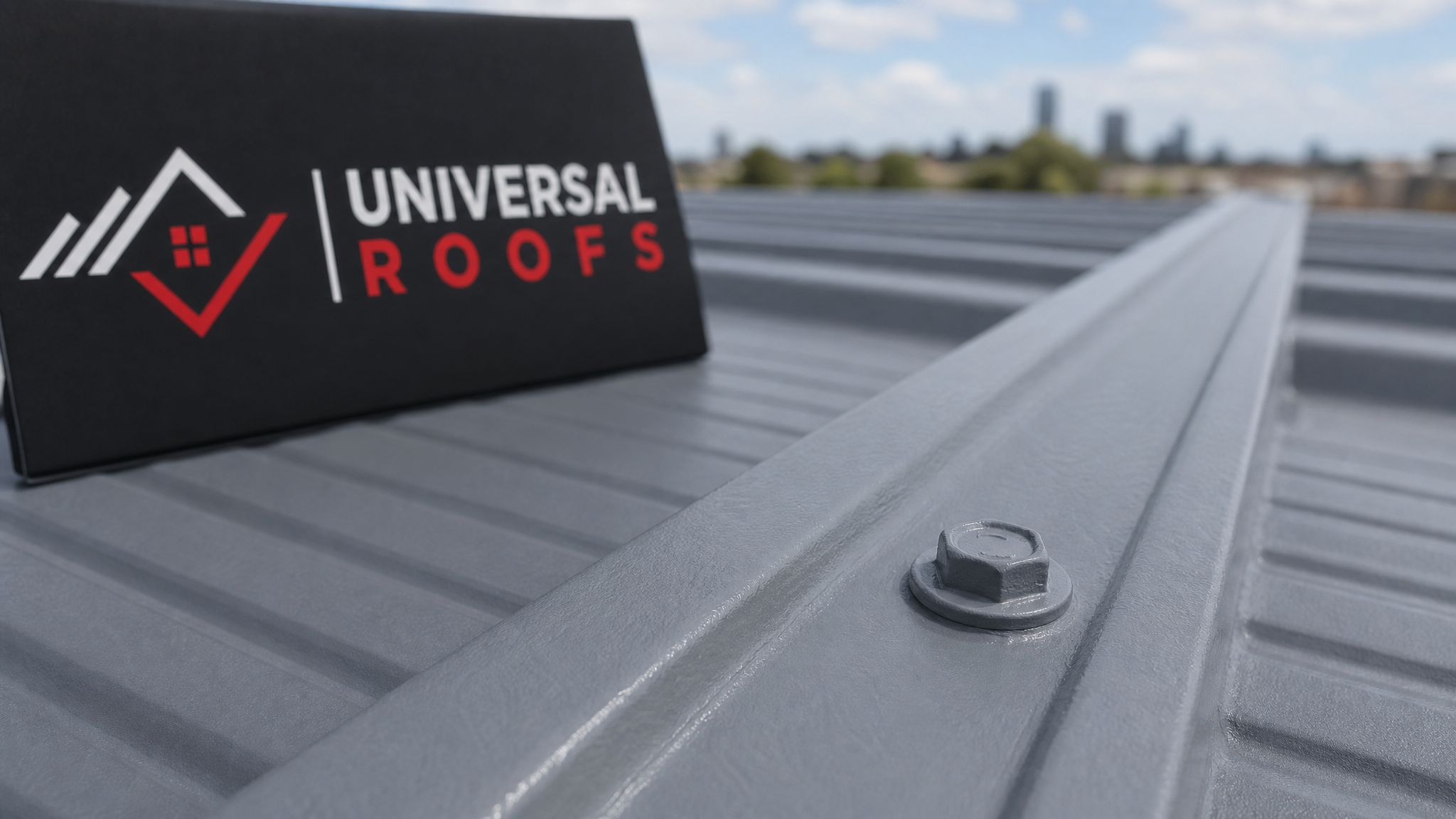
A rust resistant coating is not a one-time, forget-it-forever fix. Like any exterior finish, it benefits from periodic inspection and light maintenance to reach its full rated lifespan.
| Maintenance Task | Recommended Frequency | Purpose |
|---|---|---|
| Visual inspection from ground or ladder | Twice yearly (spring and fall) | Catch early rust spotting or coating wear before it spreads |
| Gutter and drain clearing | Twice yearly, more often near trees | Prevents standing water that accelerates coating breakdown |
| Fastener check and re-torque | Annually | Loose fasteners crack the coating film and expose bare metal |
| Professional recoat of high-wear zones | Every 5-8 years | Extends total system life well beyond a single coating cycle |
Homeowners in Toronto, the Peel Region, York Region, Halton Region, and Durham Region all deal with slightly different microclimates — lakeside humidity, higher snow load further north, or heavier salt exposure near major highway corridors — so a maintenance schedule that accounts for your specific neighbourhood tends to outperform a generic one.
If you are ever uncertain whether a spot on your roof needs a simple touch-up or a broader roof repair, it is far cheaper to ask early than to wait until the rust has compromised the steel underneath.
Choosing the Right Contractor for Rust Coating Work
Not every roofing contractor has deep experience with coating systems specifically — many focus primarily on shingles or full tear-offs. When vetting a contractor for a metal roof coating project, ask about their specific product lines, their surface prep protocol, whether they offer any workmanship warranty separate from the manufacturer’s product warranty, and whether they can provide before-and-after photos of similar projects.
Reading recent customer reviews and checking a company’s answers to common questions on their FAQ page are both quick ways to gauge whether a contractor communicates clearly and stands behind their work. A company that has been coating and repairing roofs across the GTA for two decades will generally have a much clearer sense of which systems perform in local conditions than one relying purely on manufacturer marketing claims. Reviewing the about page of any roofing company can also tell you how long they’ve operated locally and what their crews specialize in.
What is the best rust resistant coating for metal roofs in a cold climate like Toronto?
How long do rust resistant coatings for metal roofs typically last?
Can I apply a rust resistant coating over existing rust spots?
Is coating cheaper than replacing a rusted metal roof?
What time of year is best for coating a metal roof in the GTA?
Should I hire a professional for rust resistant coatings for metal roofs, or can I DIY it?
Need Help With Top Rust Resistant Coatings?
A properly chosen and correctly applied coating can add a decade or more of protection to your metal roof, and the team at Universal Roofs has been diagnosing rust issues and applying professional-grade coating systems across the GTA since 2005.
Call us today at (416) 732-2421 or request a free inspection to get started.
Universal Roofs proudly serves Toronto, Mississauga, Brampton, Vaughan, Markham, Oakville and the GTA since 2005.