
If you are tired of climbing a ladder every spring to scrub algae streaks, moss patches, and grime off your roof, you are not alone. A growing number of Toronto homeowners are turning to self cleaning roof coatings for low maintenance as a practical way to protect their shingles or flat roof membrane while cutting down on the scrubbing, pressure washing, and repeat contractor visits that come with a traditional roof. These coatings use reflective pigments, hydrophobic chemistry, or photocatalytic technology to shed dirt, resist algae growth, and keep water from pooling on the surface.
The idea sounds almost too convenient, but the science behind it is well established in the roofing industry. Self cleaning coatings have been used on commercial flat roofs for over two decades and have steadily moved into the residential market as manufacturers improved durability and colour retention. In a climate like the Greater Toronto Area, where freeze-thaw cycles, humid summers, and heavy tree cover create ideal conditions for algae and moss, a coating that actively resists organic growth can meaningfully extend the life of a roof between inspections.
In this guide we break down the ten best categories of self cleaning roof coatings available today, how they compare on cost and lifespan, what to expect from installation, and how to troubleshoot the most common issues homeowners run into. Whether you have asphalt shingles, a flat roof, or a roof with skylights that tend to collect debris, this guide will help you choose a coating that actually delivers on the low maintenance promise.
What Makes a Roof Coating “Self Cleaning”?
Not every roof coating marketed as low maintenance actually cleans itself. True self cleaning coatings rely on one or more of the following mechanisms to reduce the dirt, algae, and moss that accumulate on a roof surface over time.
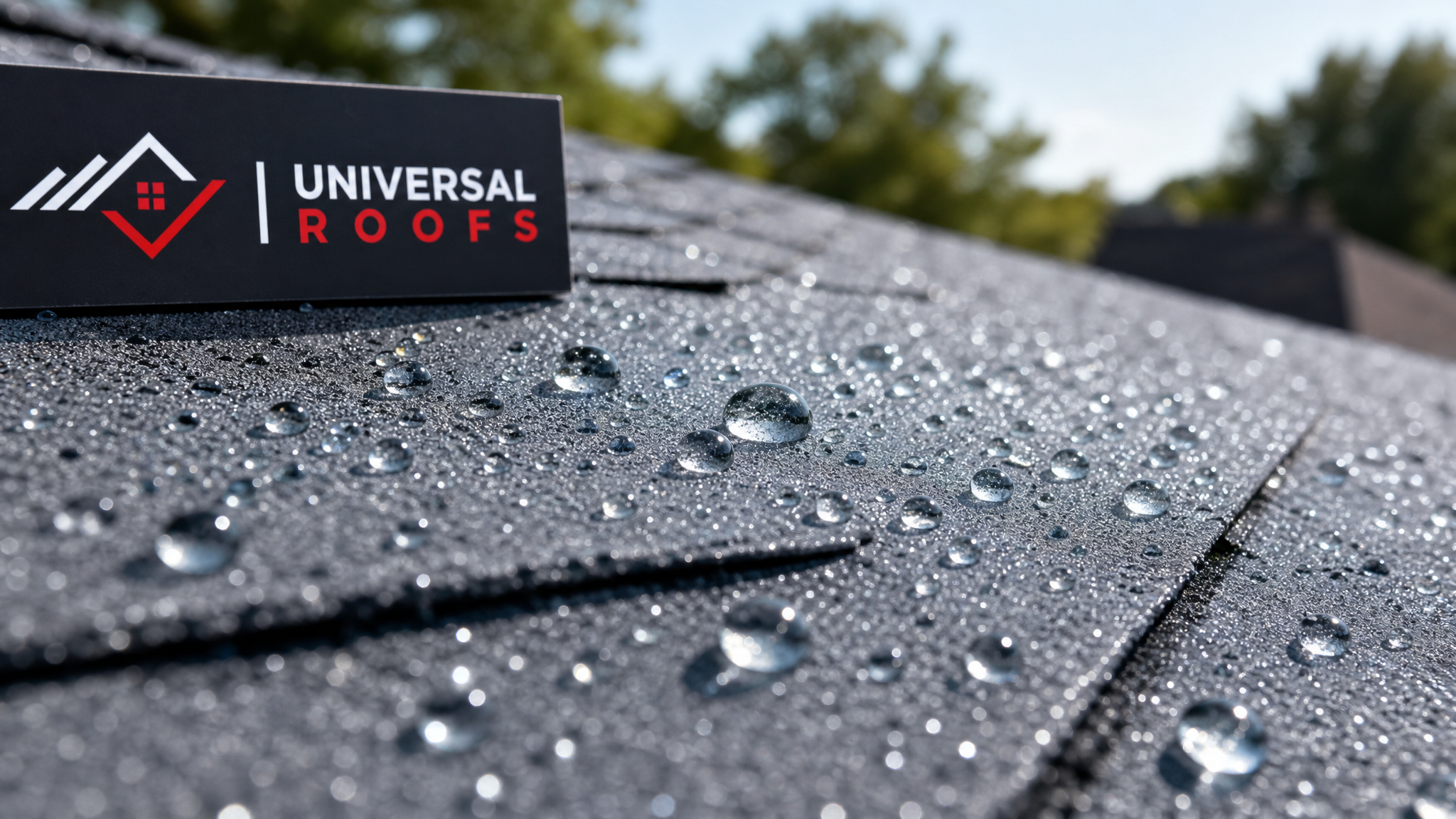
Hydrophobic surface tension. Many silicone and elastomeric coatings are formulated so that water beads up and rolls off the surface rather than soaking in. As the water rolls away, it carries loose dirt, pollen, and organic debris with it. This is the same principle used in self cleaning window glass and vehicle paint sealants, adapted for a roofing membrane.
Photocatalytic titanium dioxide (TiO2). Premium coatings incorporate microscopic titanium dioxide particles that react with UV light to break down organic material on contact. This is the technology behind “self cleaning” concrete and glass used on modern buildings, and it works particularly well against the black algae streaking (Gloeocapsa magma) common on Ontario roofs.
Copper and zinc biocide additives. Algae and moss need a foothold to grow. Coatings infused with copper or zinc ions create a surface that is inhospitable to spores, which prevents the growth before it starts rather than relying on water runoff to wash it away after the fact.
Reflective, smooth-finish pigments. A smoother, cool-roof pigment reduces the microscopic texture that traps dirt and moisture, which in turn reduces the surface area available for algae to colonize.
Most of the best products on the market combine two or more of these mechanisms. A coating that is only hydrophobic will still allow algae to grow in shaded, north-facing sections of a roof, while a coating that only uses biocides may lose effectiveness as the additive leaches out over several seasons. The strongest self cleaning systems pair a biocide with a reflective, hydrophobic top layer for both prevention and active cleaning.
The 10 Best Self Cleaning Roof Coating Types
Rather than recommend specific brand names that vary in availability, we have organized the ten best-performing coating categories by chemistry and use case. This lets you compare apples to apples regardless of which supplier your roofing contractor works with.
| Coating Type | Best For | Self Cleaning Mechanism | Typical Lifespan |
|---|---|---|---|
| Silicone elastomeric | Flat and low-slope roofs | Hydrophobic bead-off | 15-20 years |
| Acrylic reflective (cool roof) | Asphalt shingle and metal | Reflective pigment + smooth finish | 10-15 years |
| Titanium dioxide photocatalytic | Any exposed surface | UV-activated organic breakdown | 12-18 years |
| Copper-infused algae-resistant | Shaded, tree-covered roofs | Biocide leaching | 8-12 years |
| Zinc strip hybrid coating | Asphalt shingles near valleys | Metal ion runoff | 10-15 years |
| Polyurethane foam topcoat | Flat roofs needing insulation | Hydrophobic + reflective | 15-20 years |
| Nano-ceramic sealant | Metal roofing | Molecular-level water repellency | 10-15 years |
| Butyl rubber coating | Older flat roofs, patch repairs | Hydrophobic membrane seal | 8-10 years |
| Elastomeric acrylic with biocide | Mixed sun/shade roofs | Hydrophobic + biocide combo | 12-16 years |
| Modified bitumen reflective cap | Commercial-style flat roofs | Reflective granule surface | 15-20 years |
For most GTA homes, the two categories that consistently deliver the best value are silicone elastomeric coatings for flat roofing systems and acrylic reflective coatings with a biocide additive for pitched asphalt shingle roofs. Both categories hold up well through our freeze-thaw winters without cracking, and both actively resist the black algae streaking that is so common on north-facing slopes in Toronto’s humid summers.
Why Low Maintenance Coatings Matter in the GTA Climate
Toronto and the surrounding regions present a specific set of challenges that make self cleaning coatings more valuable here than in drier climates. Our winters bring repeated freeze-thaw cycles that can widen hairline cracks in an unprotected membrane, while our humid summers create the warm, moist conditions algae and moss need to thrive. Add in mature tree canopy in many older neighbourhoods across Toronto, Mississauga, and Markham, and you have a near-perfect environment for the organic growth that a self cleaning coating is designed to prevent.
Homeowners in shaded areas of Toronto and across the Peel Region often notice algae streaking first on the north-facing slope, since it receives the least direct sunlight and stays damp longer after rain or snowmelt. A properly chosen coating addresses this directly, using either a photocatalytic reaction that needs only ambient UV exposure or a biocide that works regardless of sun exposure.
There is also a practical safety angle. Fewer scrubbing and pressure-washing sessions means fewer trips onto a sloped or icy roof, which matters most in the shoulder seasons when Toronto weather swings between rain, frost, and thaw within the same week.
Choosing the Right Coating for Your Roof Type
The right self cleaning coating depends heavily on what is underneath it. A coating engineered for a flat, membrane-based roof will not perform the same way on a steep asphalt shingle roof, and vice versa.
Asphalt shingle roofs generally benefit most from acrylic reflective coatings or zinc strip hybrid systems. These bond well to the granular surface of shingles without trapping moisture underneath, and they extend the life of an existing roof repair or ageing shingle system by several years when applied correctly.
Flat and low-slope roofs respond best to silicone elastomeric or polyurethane foam topcoats. These membranes need a coating that can handle standing water without degrading, since flat roofs drain more slowly than pitched roofs even with proper slope built in. A quality silicone coating on a flat roof system, applied as part of a broader flat roofing maintenance plan, can significantly reduce the frequency of ponding-related leaks.
Metal roofs pair well with nano-ceramic sealants, which bond at a molecular level to the metal substrate and resist the expansion and contraction that comes with Ontario’s seasonal temperature swings.
Roofs with skylights need special attention around flashing and seams, since debris tends to collect at the base of skylight curbs. A coating alone will not solve a flashing problem, so if you notice consistent debris buildup or staining near your skylights, it is worth having the skylights and surrounding flashing inspected before a coating is applied, or considering skylight replacement if the units are older and prone to leaking.
Installation Process: What to Expect
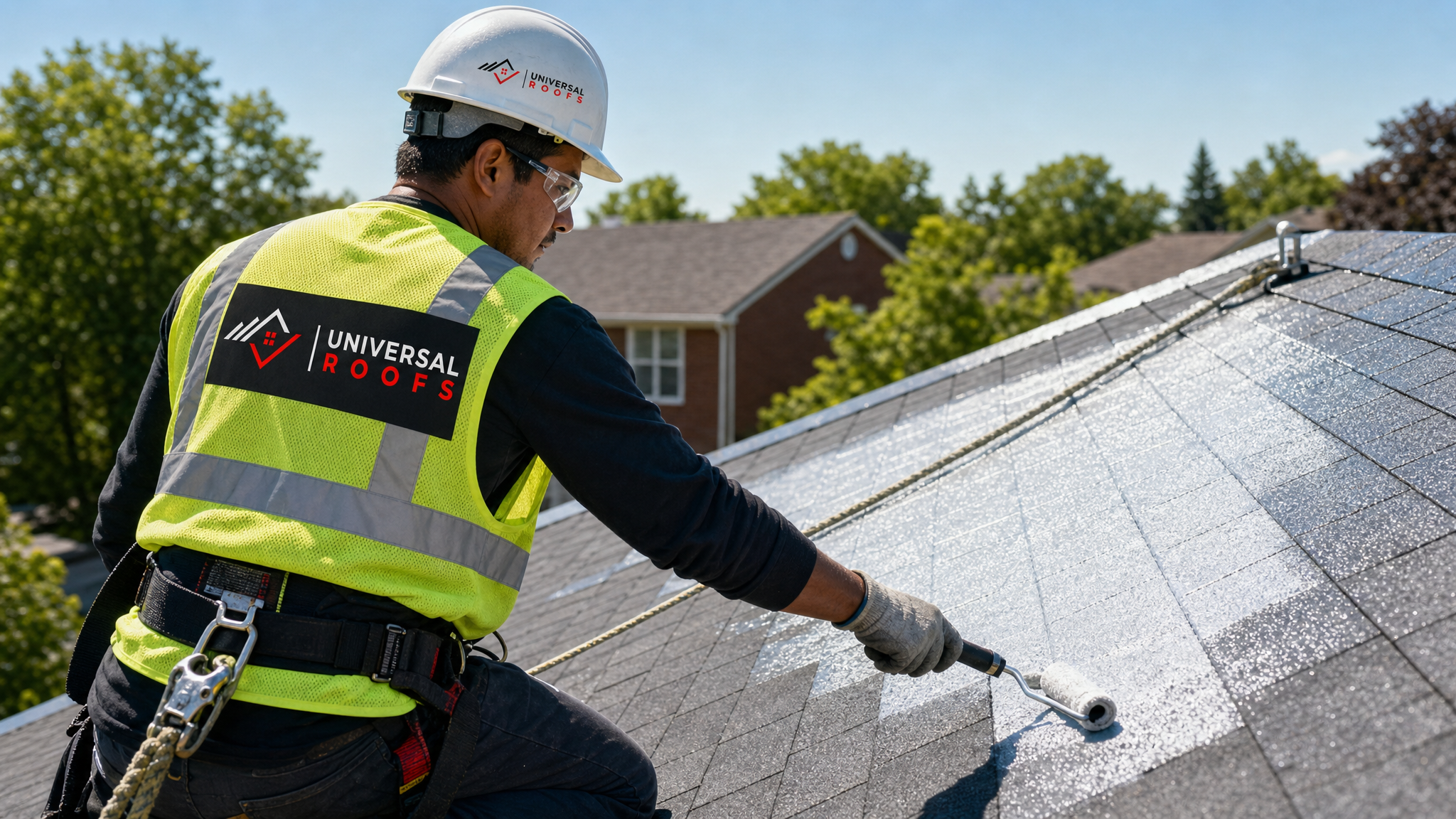
A professional self cleaning coating application is a multi-step process, and skipping steps is the most common reason coatings fail early or lose their self cleaning properties within a year or two.
| Step | What Happens | Typical Duration |
|---|---|---|
| 1. Roof inspection | Check for existing damage, moisture, or areas needing repair first | 1-2 hours |
| 2. Pressure washing | Remove existing algae, moss, dirt, and loose granules | Half day |
| 3. Drying period | Roof must be fully dry before coating adheres properly | 24-48 hours |
| 4. Spot repairs | Seal cracks, replace damaged shingles or membrane sections | Half to full day |
| 5. Primer application | Some coatings require a bonding primer coat first | Half day |
| 6. Coating application | Spray or roll two coats for even coverage | 1-2 days |
| 7. Cure time | Full chemical cure before rain exposure is safe | 3-7 days |
Skipping the drying period is the single biggest mistake homeowners run into when they try to save time. Coating over a damp roof traps moisture underneath the new layer, which can cause bubbling, poor adhesion, and premature peeling within the first year. A qualified contractor will always check moisture levels before applying any coating, and if extensive water damage is found, a coating is not a substitute for proper roof repair or in some cases full roof replacement.
Cost Comparison: Self Cleaning Coatings vs. Traditional Roof Maintenance
One of the most common questions homeowners ask is whether the upfront cost of a self cleaning coating actually pays off compared to just scheduling regular cleanings. Here is how the numbers generally break down for an average GTA home over a 10-year period.
| Maintenance Approach | Upfront Cost (approx.) | 10-Year Total Cost | Annual Effort Required |
|---|---|---|---|
| Self cleaning coating (asphalt shingle) | $3,500 – $6,500 | $4,000 – $7,500 | Minimal, annual visual check |
| Self cleaning coating (flat roof) | $4,500 – $8,500 | $5,500 – $9,500 | Minimal, annual visual check |
| Annual pressure washing only | $300 – $600/year | $3,000 – $6,000 | Yearly scheduled service |
| No maintenance, reactive repairs | $0 upfront | $6,000 – $15,000+ | Emergency repairs as issues arise |
The coating option tends to land in a similar total cost range to routine pressure washing over a decade, but with far less ongoing effort and, importantly, added protection against leaks and UV degradation that pressure washing alone does not provide. The no-maintenance approach almost always ends up costing the most because algae and moss retain moisture against the roof surface, which accelerates shingle deterioration and increases the odds of a costly leak.
Troubleshooting Common Self Cleaning Coating Problems
Even a well-chosen coating can run into issues if the roof was not properly prepared or if the wrong product was matched to the roof type. Here is how to diagnose and address the most frequent complaints we see from GTA homeowners.
| Problem | Likely Cause | Recommended Fix |
|---|---|---|
| Algae still visible after 6 months | Coating applied over existing growth without cleaning first | Pressure wash and apply a biocide booster coat |
| Coating peeling at edges | Roof was not fully dry before application | Strip affected area, dry fully, reapply |
| Water no longer beading on surface | UV degradation of hydrophobic top layer over time | Apply a refresher topcoat every 8-10 years |
| Discolouration or yellowing | Lower-grade acrylic used in a high-UV area | Switch to a silicone or ceramic-based product on recoat |
| Coating not adhering in valleys | Debris or granule buildup left in place before coating | Clean valleys thoroughly and re-prime before recoating |
If you notice persistent moisture, staining on interior ceilings, or a musty odour in the attic after a coating has been applied, this usually points to an underlying leak that the coating masked rather than fixed. A coating is a protective and cosmetic layer, not a substitute for addressing structural leaks, so any signs of interior moisture should prompt an inspection right away.
How Long Do Self Cleaning Coatings Actually Last?
Manufacturer warranties typically range from 10 to 20 years depending on the chemistry, but real-world performance in the GTA climate tends to run slightly shorter than warranty periods suggest, mainly due to our intense freeze-thaw cycling and heavy UV exposure in summer. Most silicone and polyurethane systems hold their self cleaning properties for 12 to 15 years before a refresher coat is worth considering. Acrylic systems, while more affordable upfront, often need a topcoat refresh around the 8 to 10 year mark to maintain full hydrophobic and reflective performance.
It is worth noting that the self cleaning function itself can fade faster than the waterproofing function. A coating may still be watertight at year 12 even though its hydrophobic bead-off effect has diminished, meaning you may start noticing more dirt accumulation again before the coating actually needs full replacement. An annual visual check, ideally done from the ground with binoculars or during a professional inspection, is the easiest way to catch this transition early.
Is Your Roof a Good Candidate for a Self Cleaning Coating?
Not every roof is ready for a coating right away. Coatings work best as a protective and preventative layer on a roof that is structurally sound but starting to show cosmetic wear, granule loss, or early algae growth. A roof with widespread leaks, rotted decking, or shingles that are curling and cracking needs repair or replacement first, since coating over serious damage only delays a more expensive fix.
Signs your roof is a strong candidate for a self cleaning coating include visible algae streaking without active leaks, granule loss on an otherwise intact shingle surface, a flat roof membrane that is still flexible but showing UV wear, or a roof that is within 5 to 10 years of its expected lifespan and you want to extend its service life affordably. If you are unsure which category your roof falls into, a professional assessment is the safest first step. Homeowners across York Region, Halton Region, and Durham Region can request an on-site evaluation before committing to a coating product, which helps avoid the costly mistake of coating a roof that actually needed replacement.
You can read about the experiences of homeowners who have already gone through this process on our reviews page, and check our FAQ page for answers to more general roofing questions beyond coatings specifically.
DIY vs. Professional Application
Some homeowners consider applying a self cleaning coating themselves using retail products sold at hardware stores. While this can work for small flat roof sections like a shed or garage, it comes with real risk on a full residential roof. Improper surface preparation, uneven coverage, and skipping the priming step are the leading causes of coating failure, and most manufacturer warranties are voided if the product was not applied by a certified installer.
There is also the matter of safety. Coating application typically requires walking the entire roof surface multiple times across several days, which is far riskier on a steep asphalt shingle roof than most homeowners appreciate, particularly on a roof with valleys, dormers, or skylights that create uneven footing. Professional crews use proper fall protection and have the experience to identify problem areas, like a soft spot in the decking, before they become a bigger issue mid-application.
For most homeowners, the labour cost of professional installation is a small fraction of the total project cost and buys both a warranty and a properly executed job. If you are working with a limited budget, it is often better to coat a smaller, well-prepared section professionally than to attempt a full DIY application that may need to be redone within a year or two.
What are the best self cleaning roof coatings for low maintenance homes?
Do self cleaning roof coatings actually work in the Toronto climate?
How much does a self cleaning roof coating cost?
How long do self cleaning roof coatings last before needing to be reapplied?
Can I apply a self cleaning roof coating myself?
Will a self cleaning coating fix an existing roof leak?
Need Help With 10 Best Self Cleaning?
Choosing the right self cleaning roof coating starts with an honest assessment of your roof’s current condition, and that is exactly where the team at Universal Roofs can help. We have been serving homeowners across the GTA since 2005 and can recommend a coating system that matches your roof type, budget, and maintenance goals.
Call us today at (416) 732-2421 or request a free inspection to get started.
Universal Roofs proudly serves Toronto, Mississauga, Brampton, Vaughan, Markham, Oakville and the GTA since 2005.