
If you have noticed dark streaks, greenish patches, or fuzzy black spots creeping across your shingles, you are not just looking at a cosmetic problem. Those stains are colonies of algae, moss, and mould that feed on the limestone filler in asphalt shingles and thrive in the shaded, moisture-trapping microclimates so common across the Greater Toronto Area. Left untreated, microbial growth holds moisture against the roof deck, degrades shingle granules, and can eventually contribute to premature leaks and rot in the sheathing below.
The good news is that homeowners no longer have to choose between an ugly roof and a full tear-off. Anti-microbial roof coatings for mold prevention have become one of the most cost-effective ways to stop biological growth in its tracks, protect the roofing membrane underneath, and extend the usable life of a roof by years. In this guide we break down the four best-performing coating categories on the market today, explain how each one actually kills or repels mould and algae, and walk through cost, application, and maintenance so you can make an informed decision for your own home.
As a Toronto-area roofing contractor that has been coating, repairing, and replacing roofs since 2005, Universal Roofs has seen firsthand how our climate — humid summers, heavy autumn rainfall, and long stretches of snow cover in winter — creates the perfect conditions for algae and mould to take hold on north-facing slopes and shaded valleys. This article draws on that field experience to help you choose the right anti-microbial coating system and apply it correctly the first time.
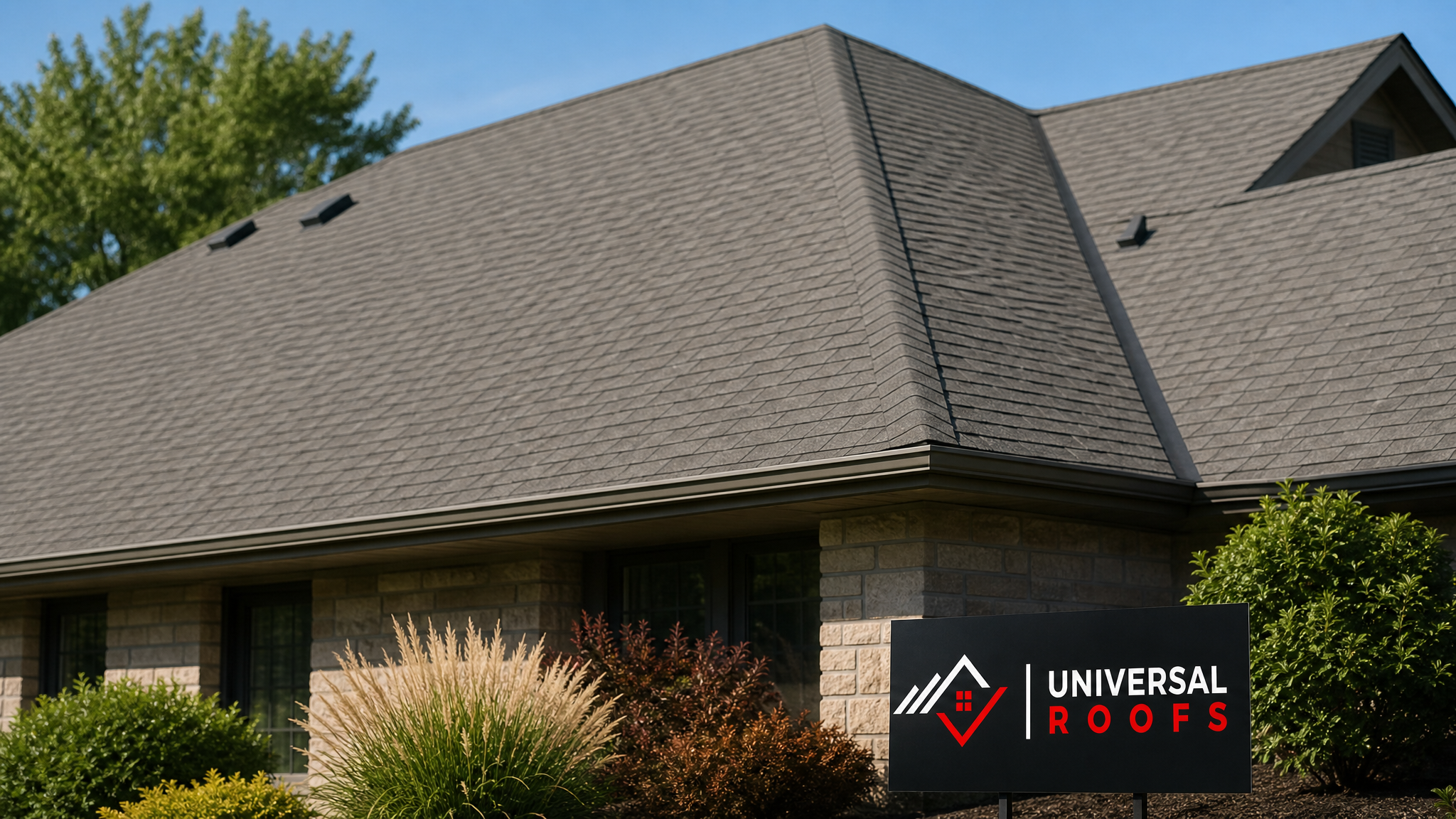
Why Roofs in the GTA Are Prone to Mould and Algae Growth
Before comparing coatings, it helps to understand why this problem is so widespread across Toronto, Mississauga, Brampton, Vaughan, Markham, Oakville, and the rest of the GTA. Three factors combine to create ideal conditions for microbial growth on residential roofs:
- Humidity and precipitation. Southern Ontario receives significant rainfall through spring and autumn, and humidity lingers through summer. Roof surfaces that do not dry quickly — especially north-facing slopes and areas shaded by mature trees — stay damp long enough for algae spores and mould to establish colonies.
- Freeze-thaw cycling. Winter freeze-thaw cycles create micro-fractures in shingle granules and coating surfaces, giving spores more places to anchor. Once a colony is established in a crevice, it is far harder to remove without damaging the underlying material.
- Tree cover and organic debris. Older, leafy neighbourhoods throughout Etobicoke, North York, and the Peel and York Regions have heavy tree canopies that drop leaves, pollen, and organic debris onto roofs. This debris holds moisture and provides a food source for fungal growth, particularly in valleys and around chimney flashing.
Gloeocapsa magma, the blue-green algae responsible for the dark streaking most homeowners notice, is the most visible offender, but true mould and mildew growth is the more serious concern. Mould can penetrate porous roofing materials, break down organic mat in asphalt shingles, and — in the worst cases — migrate into the attic space through inadequate attic ventilation, creating indoor air quality problems. Anti-microbial coatings address both the surface appearance issue and the underlying biological threat.
How Anti-Microbial Roof Coatings Actually Prevent Mould
Anti-microbial roof coatings work through one or more of three mechanisms, and understanding these mechanisms is the key to choosing the right product for your specific roof.
Metal ion release. Coatings infused with copper, zinc, or silver ions slowly release trace metal particles that are toxic to algae spores, fungal hyphae, and bacteria on contact. This is the same chemistry behind copper roofing strips and zinc control strips that have prevented streaking for decades — the coating simply distributes that protection evenly across the entire roof surface rather than relying on rainwater runoff from a single strip near the ridge.
Surface pH modification. Some coatings raise the surface pH of the roofing material to a level that is inhospitable to fungal and algal growth. Because most mould and algae species thrive in a narrow, near-neutral pH band, shifting the surface chemistry even slightly can prevent spores from establishing a foothold in the first place.
Reflective and hydrophobic barriers. Elastomeric and silicone-based coatings create a reflective, water-shedding membrane that reduces surface moisture retention time. Because mould and algae both require sustained moisture to germinate and spread, a coating that sheds water quickly and reflects heat (reducing the amount of time the surface stays cool and damp in shaded areas) starves the organisms of the conditions they need to survive.
The four coating categories below use these mechanisms in different combinations, which is why the right choice depends on your roof type, budget, and the severity of existing growth.
1. Acrylic Elastomeric Coatings With Biocide Additives
Acrylic elastomeric coatings are the most commonly specified anti-microbial system for sloped asphalt shingle roofs and low-slope residential sections alike. Manufacturers blend EPA-registered biocides — typically a combination of zinc pyrithione and isothiazolinone compounds — directly into a water-based acrylic resin. The result is a flexible, breathable membrane that resists cracking through Ontario’s freeze-thaw cycles while continuously suppressing spore germination on the surface.
Acrylic elastomeric systems are popular because they are relatively easy to apply by roller, brush, or airless sprayer, cure quickly in warm weather, and clean up with water rather than solvents. They also come in a wide range of reflective colours, which helps with summer cooling loads — a meaningful bonus during the hot, humid stretches typical of a Toronto July.
The main limitation is UV degradation over time. Acrylic coatings typically need reapplication every five to seven years to maintain full anti-microbial effectiveness, and the biocide additive depletes faster in shaded, damp areas than the base coating itself does. That said, for homeowners looking for the best balance of cost, ease of application, and moderate-severity mould prevention, acrylic elastomeric is usually the starting recommendation from our roof repair technicians.
2. Silicone-Based Anti-Microbial Coatings
Silicone coatings are the premium option for homeowners dealing with persistent, heavy mould and algae growth or roofs with significant standing water exposure, such as many flat roofing sections common on additions, garages, and older GTA infill homes. Silicone forms an inherently hydrophobic surface — water beads and rolls off rather than soaking in — which denies mould the sustained moisture window it needs to establish a colony, even before any biocide additive comes into play.
When combined with a fungicidal additive package, silicone coatings offer the longest anti-microbial service life of any product category, commonly ten to fifteen years before reapplication is needed. Silicone also resists UV degradation far better than acrylic, which matters on south- and west-facing slopes that see the most direct summer sun in the GTA.
The trade-off is cost and application complexity. Silicone coatings are more expensive per square metre, require careful surface preparation (any residual algae or biofilm must be fully removed before application or the coating will not bond properly), and become extremely slippery once cured — a serious safety consideration for any future maintenance work. Because of that slip risk and the precision required for a proper mil-thickness application, silicone coating projects are best left to a licensed roofing contractor rather than a DIY weekend project.
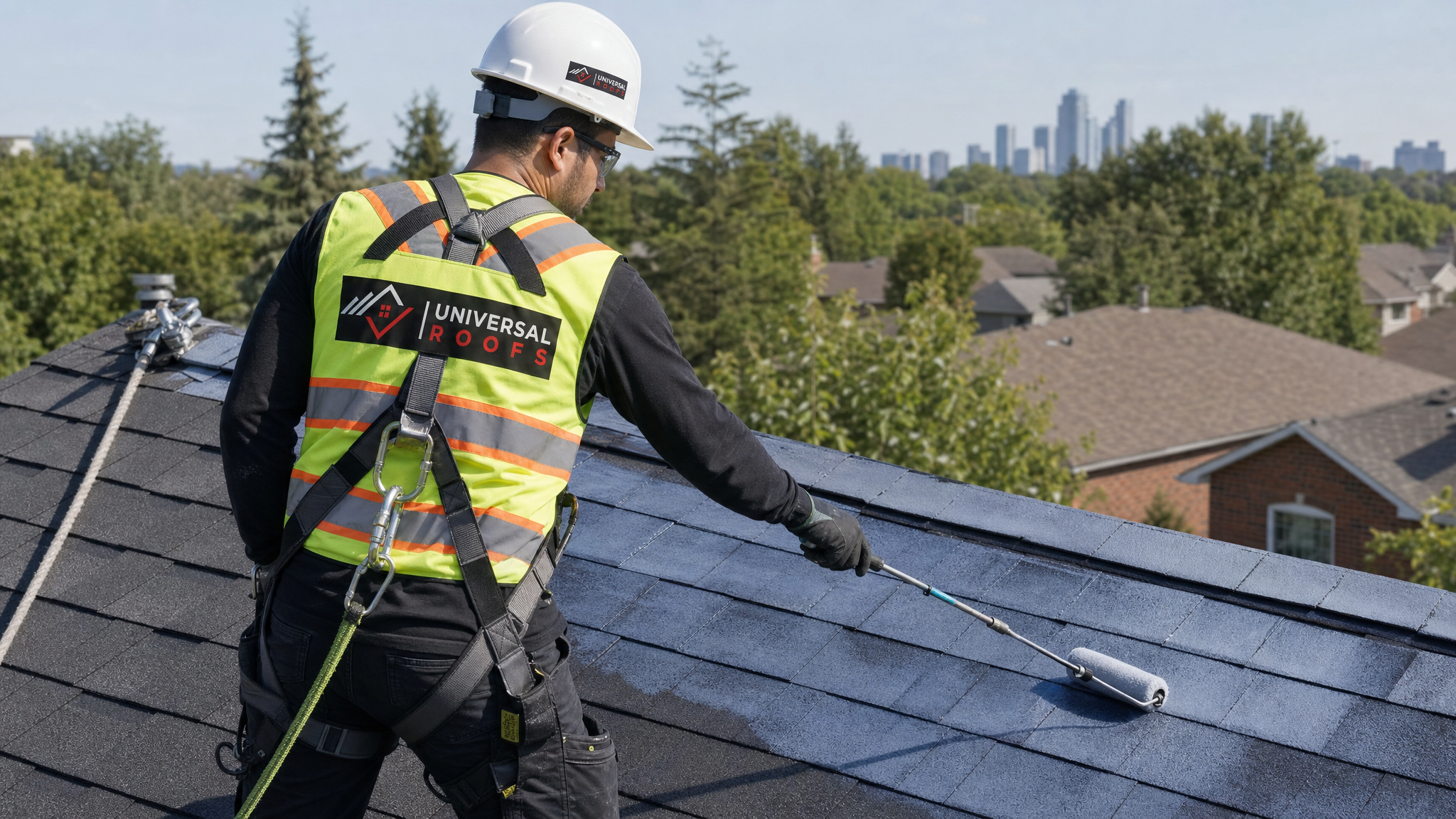
3. Copper and Zinc Ion Infused Coatings
For homeowners who want proven, long-standing chemistry rather than a newer polymer blend, copper and zinc ion infused coatings offer a compelling middle ground. These products suspend microscopic copper or zinc particles in a clear or tinted sealant base that can be applied directly over existing granulated asphalt shingles without stripping the roof’s original colour and texture.
The metal ions leach slowly from the coating with each rainfall, creating an ongoing toxic environment for algae spores and fungal hyphae on the shingle surface. This is the same principle behind the metal strips installed at the ridge of many roofs, except the coating delivers even, whole-roof protection rather than concentrating protection in the runoff path directly below a single strip.
Copper-based products tend to carry the longest track record and the strongest anti-microbial performance, but they can leave a very faint greenish tint over time as the copper oxidizes, similar to a copper roof’s natural patina — a cosmetic consideration worth discussing before application on a light-coloured shingle. Zinc-based formulations avoid the tint but generally require slightly more frequent reapplication, typically every four to six years, to maintain full effectiveness.
These coatings work especially well as a preventive measure on roofs that have not yet developed visible staining but sit in a high-risk location — heavily shaded, tree-covered lots throughout York Region and Halton Region neighbourhoods are prime candidates for this proactive approach.
4. Enzyme and Bio-Based Anti-Microbial Treatments
The newest category on this list uses enzyme-based or plant-derived bio-based formulations rather than traditional synthetic biocides. These treatments break down the organic material that algae and mould rely on for food — essentially starving existing colonies while creating a surface environment that is inhospitable to new spore growth — instead of relying purely on toxicity to kill organisms on contact.
Bio-based treatments have grown in popularity among environmentally conscious homeowners because they typically carry lower toxicity profiles, are safer for surrounding gardens, downspout runoff, and pets, and still deliver strong short-to-medium-term mould suppression. Many products in this category are marketed as “green” or “eco” roof treatments and are increasingly specified for homes near environmentally sensitive areas, including properties backing onto ravines or watercourses common throughout the Durham Region and Toronto’s ravine system.
The main drawback is service life. Enzyme and bio-based treatments generally need reapplication every two to three years — meaningfully more often than acrylic, silicone, or metal-ion systems — because the active ingredients are biodegradable by design. For homeowners who prioritize environmental impact over long maintenance intervals, or who are using a bio-based treatment as an annual maintenance step alongside a longer-lasting base coating, this remains an excellent complementary option.
Comparing the Four Coating Types
| Coating Type | Typical Lifespan | Best For | Relative Cost |
|---|---|---|---|
| Acrylic elastomeric with biocide | 5-7 years | Sloped shingle roofs, moderate growth | $ |
| Silicone-based anti-microbial | 10-15 years | Flat roofs, heavy or recurring growth | $$$ |
| Copper/zinc ion infused | 4-6 years (zinc), 8-10 years (copper) | Preventive treatment, shaded shingle roofs | $$ |
| Enzyme/bio-based treatment | 2-3 years | Eco-conscious homeowners, annual maintenance | $ |
Signs Your Roof Needs an Anti-Microbial Coating Now
Not every roof needs immediate treatment, but certain warning signs indicate that mould and algae have moved past a cosmetic nuisance and into a genuine maintenance concern. Watch for these indicators, particularly on north-facing slopes and areas beneath overhanging trees:
| Warning Sign | What It Means | Recommended Action |
|---|---|---|
| Dark streaking on shingles | Gloeocapsa magma algae colonization | Soft wash + acrylic or copper coating |
| Green or black fuzzy patches | Active mould/moss growth holding moisture | Professional cleaning + silicone coating |
| Granule loss near stained areas | Biological growth degrading shingle surface | Inspection for underlying damage first |
| Musty odour in attic | Possible moisture/mould migration through deck | Attic ventilation check + roof inspection |
| Growth returning within a year of cleaning | No protective coating applied after cleaning | Anti-microbial coating application |
If you notice a musty smell inside the home or visible moisture staining on ceiling drywall, the issue may have already progressed beyond a surface coating fix. In that situation, a full roof inspection is the right first step, and our team can advise whether a coating, a targeted roof repair, or in more advanced cases a roof replacement is the appropriate path forward.
Proper Application Process for Anti-Microbial Roof Coatings
Coating performance depends almost entirely on correct surface preparation and application technique. Skipping steps — even with a premium product — dramatically shortens the effective lifespan of the treatment. A proper application follows this sequence:
| Step | Task | Why It Matters |
|---|---|---|
| 1 | Soft wash the entire roof surface | Removes active algae, moss, and biofilm before coating |
| 2 | Inspect for underlying damage | Coatings cannot fix rot, cracked shingles, or failed flashing |
| 3 | Allow full drying period (24-48 hours) | Trapped moisture under a coating accelerates future growth |
| 4 | Apply primer if required by manufacturer | Improves coating adhesion on porous or aged shingle surfaces |
| 5 | Apply coating at manufacturer-specified mil thickness | Under-application shortens lifespan; over-application can crack |
| 6 | Allow full cure before rain or foot traffic | Premature exposure compromises the anti-microbial barrier |
Pressure washing is a common mistake homeowners make when trying to prepare a roof themselves. High-pressure water can strip protective granules from asphalt shingles, force water beneath flashing at chimneys and skylights, and cause more long-term damage than the algae it removes. A proper soft wash — low pressure combined with an appropriate cleaning solution — is the industry-standard preparation method, and it is what our crews use ahead of every coating application.
Special Considerations for Skylights, Valleys, and Flat Roof Sections
Anti-microbial coating projects rarely involve a single uniform surface. Most GTA homes have transition points — valleys, skylight curbs, and flat roof sections over additions or garages — that trap moisture differently than the main shingle field and need particular attention during both cleaning and coating.
Around skylights, condensation and shaded curb areas are especially prone to mould growth, and the coating must be applied carefully to avoid interfering with the seal around the unit. If a skylight is more than 15 to 20 years old, it is often worth evaluating whether skylight replacement makes more sense than coating around an aging, potentially failing seal — a coating cannot compensate for a leaking flashing detail.
Roof valleys collect the highest volume of runoff and organic debris on the entire roof, making them the single most common location for recurring algae and mould growth. Valleys should be cleaned thoroughly and, where the coating product allows, may benefit from an extra pass or slightly heavier application than the surrounding field.
Flat roof sections behave differently altogether. Because they hold water rather than shedding it quickly, flat roofs are far more susceptible to sustained microbial growth and almost always benefit from a silicone-based system rather than an acrylic one. If you are unsure which category applies to your home’s flat roofing sections, a quick inspection will clarify the right product before any coating work begins.
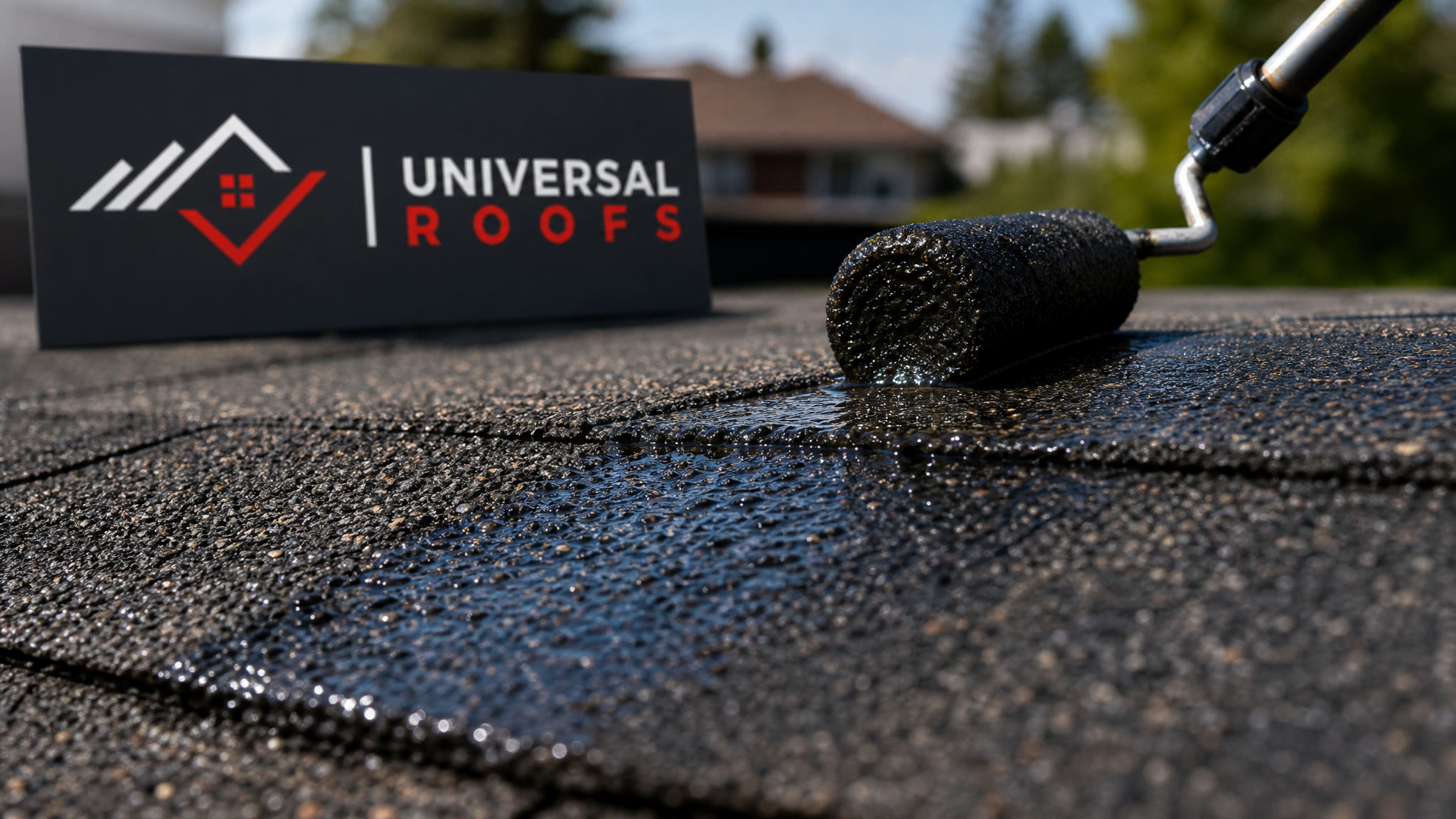
Cost Expectations for Anti-Microbial Roof Coatings in the GTA
Pricing varies by product type, roof size, roof pitch, and the amount of surface preparation required. As a general guide for a typical GTA detached home:
| Coating Type | Approximate Cost per Square Metre | Typical Total Project Cost* |
|---|---|---|
| Acrylic elastomeric with biocide | $4-$7 | $800-$1,600 |
| Copper/zinc ion infused | $6-$9 | $1,200-$2,000 |
| Silicone-based | $9-$14 | $1,800-$3,200 |
| Enzyme/bio-based | $3-$5 | $600-$1,200 |
*Based on an average GTA roof of roughly 185-220 square metres. Actual quotes depend on roof access, pitch, existing damage, and required surface preparation.
These figures represent a fraction of full roof replacement cost, which is exactly why anti-microbial coatings have become such a popular maintenance strategy for homeowners looking to protect their investment between major roofing projects. Combined with regular gutter cleaning and tree trimming to reduce shade and debris, a quality coating can keep a roof looking clean and performing well for years.
DIY Application vs. Hiring a Licensed Roofing Contractor
Smaller, low-slope sections and single-storey homes are sometimes within reach of a confident DIY homeowner using an acrylic product and a garden sprayer. However, several factors make professional application the safer and more effective choice for most GTA homes:
- Height and pitch safety. Steep or multi-storey roofs require proper fall-protection equipment and training that most homeowners do not have on hand.
- Correct diagnosis. A licensed contractor can distinguish between surface algae, deeper mould penetration, and underlying rot or flashing failure that a coating alone will not fix.
- Even application thickness. Under- or over-applying a coating significantly shortens its effective service life, and achieving consistent mil thickness by hand across an entire roof takes practice.
- Warranty coverage. Many coating manufacturers only honour product warranties when the application is performed and documented by a certified applicator.
For homeowners across Toronto, the Peel Region, York Region, Halton Region, and Durham Region, a professional assessment before any coating purchase ensures the product you choose actually matches the condition and construction of your roof.
Maintaining Your Roof After an Anti-Microbial Coating Application
A coating is not a permanent, maintenance-free solution — it is a highly effective preventive layer that still benefits from basic seasonal upkeep. To get the full expected lifespan out of any anti-microbial coating:
- Clear leaves and debris from valleys and gutters each autumn before winter freeze-thaw cycles begin.
- Trim overhanging tree branches to reduce shade and increase drying time after rainfall.
- Schedule an annual visual inspection to catch any early regrowth before it spreads.
- Avoid pressure washing a coated roof, which can strip the protective layer prematurely.
- Address any new leaks or flashing issues promptly, since trapped moisture undermines even the best coating.
Homeowners who want an objective read on how their roof is holding up can always read reviews from neighbours across the GTA who have gone through a similar coating or repair project, or check our FAQ page for answers to common roofing maintenance questions.
Choosing the Right Coating for Your Home
There is no single “best” anti-microbial coating for every roof — the right choice depends on roof type, existing growth severity, budget, and how long you plan to stay in the home. As a quick summary:
- Choose acrylic elastomeric for a balanced, cost-effective solution on a standard sloped shingle roof with moderate staining.
- Choose silicone-based coatings for flat roof sections or roofs with severe, recurring mould and algae problems.
- Choose copper or zinc ion infused coatings as a proactive measure on heavily shaded roofs that have not yet developed visible growth.
- Choose enzyme or bio-based treatments if environmental impact is a top priority and you are comfortable with more frequent reapplication.
Whichever product category fits your situation, the fundamentals remain the same: proper soft-wash preparation, correct application thickness, and realistic expectations about reapplication intervals. Our team at Universal Roofs has applied every coating type discussed in this guide across hundreds of GTA homes since 2005, and we are happy to recommend the right system after a straightforward roof inspection. Learn more about our company and how our crews approach every coating and repair project.
What are the best anti microbial roof coatings for mold prevention?
How long do anti microbial roof coatings last before needing reapplication?
Can I apply an anti microbial roof coating myself?
Do anti microbial coatings work on flat roofs and skylights?
Will pressure washing remove roof mould before coating?
How much does an anti microbial roof coating cost in the GTA?
Need Help With 4 Best Anti Microbial?
Choosing and applying the right anti-microbial coating protects your roof, your attic, and your indoor air quality for years to come, and the team at Universal Roofs has the field experience to get it right the first time.
Call us today at (416) 732-2421 or request a free inspection to get started.
Universal Roofs proudly serves Toronto, Mississauga, Brampton, Vaughan, Markham, Oakville and the GTA since 2005.